冰雪假期

Search documents
多地首次放雪假,引发对带娃难题、文旅产业发展的思考
Xin Lang Cai Jing· 2026-01-10 11:14
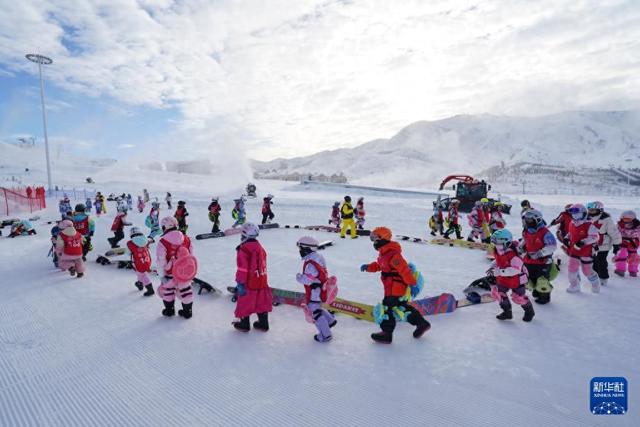
Core Insights - The introduction of "snow holidays" in regions like Jilin, Xinjiang, and Inner Mongolia aims to provide students with outdoor experiences and promote winter sports participation [1][5][11] - The initiative has sparked discussions on various issues, including parental challenges, course arrangements, and the development of the cultural tourism industry [1][6] Group 1: Snow Holiday Implementation - The "snow holiday" allows students to take a break from academics, with durations ranging from five to nine days depending on the region [1][5] - In Jilin, from December 3 to 7, 2025, students can enjoy free access to 39 ski and ice rinks for three hours daily, with no homework assigned during this period [3][8] - In Xinjiang, students will have a nine-day holiday, with ski resorts offering discounts and free transportation to reduce costs [5][11] Group 2: Educational and Cultural Impact - The "snow holiday" serves as an opportunity for experiential learning, with schools integrating winter sports into their curriculum [8][9] - Approximately 220,000 students in Jilin participated in ice and snow activities, while 180,000 engaged in cultural and educational experiences during the holiday [8] - The initiative aims to enhance students' physical fitness and overall skills through practical engagement rather than traditional classroom learning [9][10] Group 3: Economic and Tourism Benefits - The "snow holiday" has stimulated the local economy, with significant increases in tourism and related industries [11][12] - In the Alatau region, 413,000 tourists were received during the holiday, generating 402 million yuan in revenue, marking a substantial year-on-year increase [11] - Jilin province saw a 119% increase in domestic tourist numbers, with many ski resorts experiencing a doubling of revenue [11][12]

冰雪盛宴火热开启!中国让“冷资源”释放“热动能”
Xin Hua Wang· 2025-12-10 00:14
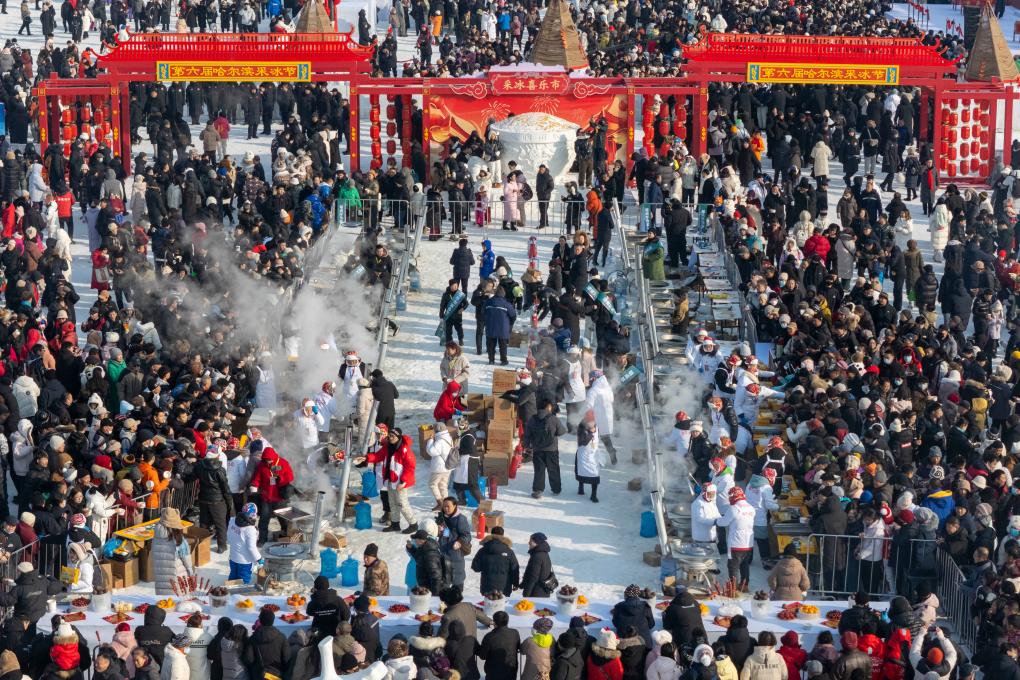
Core Viewpoint - The article highlights the rapid growth of China's ice and snow economy, driven by the onset of the new ice and snow season, with various regions launching ice and snow festivals and activities to attract tourists and boost local economies [1][3][4]. Group 1: Ice and Snow Economy Growth - The sixth Harbin Ice Festival has commenced, marking the beginning of a new ice and snow season in China, which is expected to stimulate the ice and snow economy significantly [1]. - The total consumption in ski resorts across China is projected to reach 78.613 billion yuan during the 2024-2025 ice and snow season, with a 27.97% increase in spending within a two-kilometer radius of ski resorts [4]. - The ice and snow industry in China is expected to exceed 1 trillion yuan by 2025, with a projected scale of 1,005.3 billion yuan [12]. Group 2: Regional Developments and Initiatives - Various regions, including Xinjiang and Jilin, have initiated ice and snow holidays, offering discounts and promotions to enhance tourist engagement, with hotel occupancy rates exceeding 70% in some areas [3][4]. - The Harbin Ice and Snow World, the largest ice and snow theme park globally, is set to expand significantly, aiming to surpass last season's visitor count of over 3.56 million [5]. - Jilin City has introduced new features and events in its ski resorts, with pre-sale amounts exceeding 100 million yuan, reflecting a 25% year-on-year increase [8]. Group 3: Infrastructure and Participation - The number of indoor ski facilities in Guangdong Province has reached 25, with participation in ice and snow sports surpassing 10 million [10]. - The total number of ice and snow venues in China is expected to grow from 1,133 in 2018 to 2,678 by the end of 2024 [12]. - The first Ice and Snow Sports Super League in Heilongjiang Province has been launched, focusing on community sports and creating a new consumption trend around ice and snow events [8].
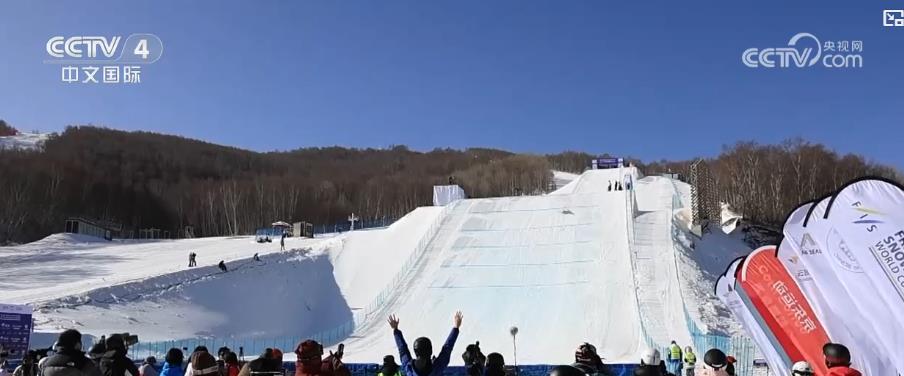
滑雪研学、冰浮体验、冰雪假期!新雪季热潮涌动 新业态带动服务消费提质升级
Yang Shi Wang· 2025-12-06 07:53
Core Insights - The winter sports industry is experiencing significant growth as outdoor snow venues open for the season, leading to an increase in ice and snow service consumption [1] - The Beijing and Zhangjiakou areas are hosting multiple international skiing events, enhancing the popularity of winter sports [3] - New initiatives, such as the "skiing + research" package, are emerging to attract youth participation in winter sports [3] Group 1 - The new snow season is marked by a surge in ice and snow activities, with various new business models emerging to enhance service quality [1] - The International Ski Federation is holding several World Cup events in Beijing and Zhangjiakou, contributing to the vibrancy of winter sports [3] - A new youth skiing training center is set to open, featuring six dedicated ski trails and a professional coaching team [3] Group 2 - The collaboration between Beijing and Zhangjiakou in developing the Jing-Zhang Sports Culture Tourism Belt is revitalizing the regional economy by integrating winter sports resources [5] - In regions like Xinjiang and Jilin, winter vacation programs are being introduced, with ski resorts becoming popular venues for students to learn skiing [5] - Innovative ice and snow tourism projects, such as ice floating experiences in Altay, Xinjiang, are being introduced to cater to personalized tourist demands [7]