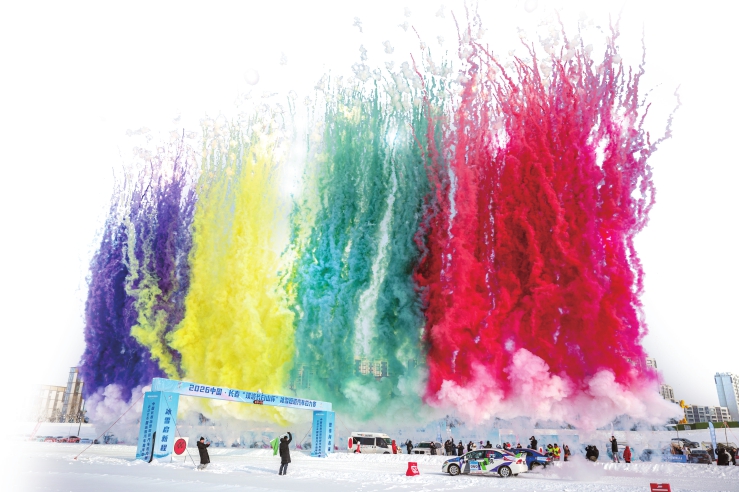
冰雪短道汽车拉力赛

Search documents
“冰雪游”“乡村游”“赏花游”、非遗巡游个个都精彩 欢天喜地乐享活力中国年
Yang Shi Wang· 2026-02-25 06:22
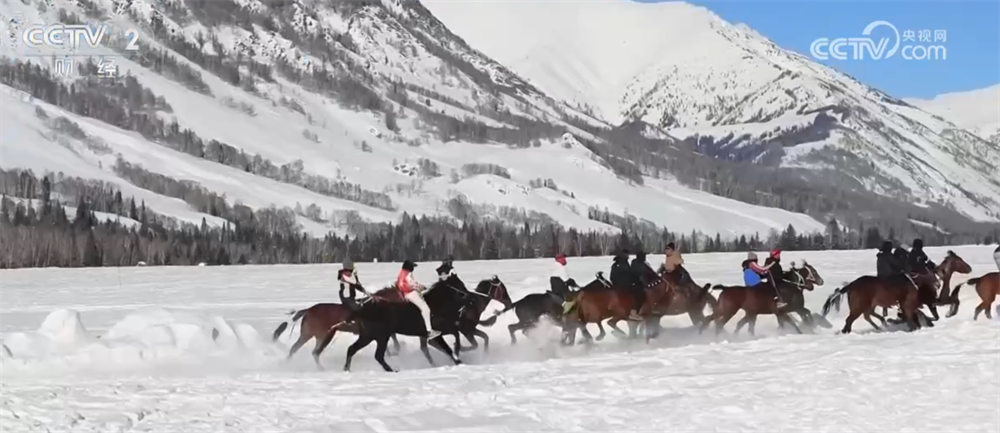
Group 1: Winter Tourism Trends - The Spring Festival holiday has seen a rise in popularity for ice and snow tourism, with many travelers enjoying unique winter experiences across various destinations [1] - In Xinjiang's Altay Kanas Scenic Area, visitors are immersed in a vibrant cultural atmosphere with performances and traditional feasts [3] - Jilin province is experiencing a surge in winter sports activities, with events like the Changchun Ice and Snow Short Track Rally attracting over a hundred domestic and international drivers [6] Group 2: Cultural Events and Community Engagement - The "Village Sports Games" in Jiangshan, Zhejiang, have expanded to include participants from neighboring provinces, fostering community spirit and engagement [7][9] - In Jiangshan, nearly 100,000 villagers participated in various activities during the Spring Festival, showcasing the lively rural atmosphere [11] - In Sichuan's Longchang, a dragon dance parade attracted over 200,000 attendees, highlighting the festive spirit of the season [12] Group 3: Floral Displays and Technological Innovations - In Jiangsu's Yancheng, 200,000 rare tulips bloomed two months early, creating a vibrant display for visitors during the holiday [14] - The tulip display was made possible through advanced climate simulation technology, demonstrating innovation in horticulture [16] - The integration of tulips into the newly launched Ice and Snow World adds a unique aesthetic appeal, enhancing the festive experience [18]

汽车赛事奏响冰与雪之歌
Zhong Guo Qi Che Bao Wang· 2026-02-02 01:28
Group 1: Policy and Market Development - The Ministry of Commerce, along with multiple departments, has released guiding opinions and notifications aimed at promoting high-quality development in the automotive aftermarket, marking a transition to a new phase characterized by stock competition in China's automotive industry [1] - The series of policies aims to stimulate sustainable development in the automotive sector and meet the growing demand for automotive culture among the public [1] - Various localities have organized diverse automotive cultural activities, reflecting the influence of these policies and the rising automotive culture trend [1] Group 2: Event Highlights - The "Puyue Changbai Mountain Cup" ice and snow short track automotive rally and carnival took place in Changchun, featuring a mix of racing culture and local Northeast culture [3][4] - The event included multiple segments such as national professional ice and snow competitions, test drives, and public racing experiences, attracting over 100 racers from various regions and countries [5][6] - The rally showcased the unique challenges of ice racing, emphasizing vehicle adaptability and driving skills, with a notable presence of electric vehicles demonstrating advancements in chassis control technology [6][9] Group 3: Economic Impact and Community Engagement - The event aims to convert "cold resources" into "hot effects," encouraging public participation and enhancing the local economy through tourism and related activities [9][11] - Local hotels and restaurants have collaborated to offer customized tourism packages during the event, leading to a reported 30% increase in hotel occupancy rates [13] - The integration of professional events with community experiences is expected to establish a sustainable economic and social value, promoting the automotive culture and winter tourism [14] Group 4: Broader Trends in the Industry - The trend of integrating automotive events with winter sports is expanding beyond Changchun to other regions like Heilongjiang and Inner Mongolia, showcasing the potential of local natural resources [16] - New initiatives in Inner Mongolia include the NCC automotive off-road ice rally, which attracted over a thousand participants and spectators, highlighting the growing popularity of such events [16] - The development of large-scale public ice and snow automotive entertainment venues is transforming previously limiting winter climates into innovative consumer experiences [17]