刈菜鸡

Search documents
“犇赋”两岸烟火气:台北姑娘的北京厨事
Xin Lang Cai Jing· 2026-02-16 07:47
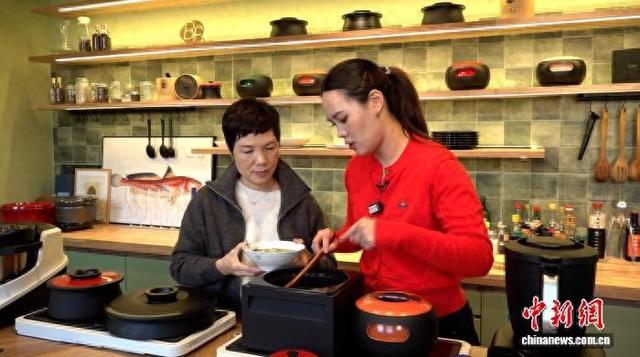
Core Insights - The article highlights the culinary exchange and cultural significance of traditional Taiwanese dishes in Beijing, emphasizing the role of food in fostering connections between the two regions [1] Group 1: Culinary Experience - The article describes a cooking demonstration by Qin Peiwei, a manager from Taipei, showcasing traditional Taiwanese dishes like "Gua Cai Ji" (chicken with mustard greens) and fish, which symbolize abundance during the Lunar New Year [1] - The cooking process involves using local ingredients and techniques, reflecting the culinary heritage and the importance of family gatherings during festive occasions [1] Group 2: Market Trends - The article notes the evolution of kitchenware in mainland China, with a shift towards modern materials like carbon graphite cookware, which enhances cooking efficiency without excessive oil [1] - This trend indicates a broader movement towards improved living standards and culinary experiences among consumers in mainland China [1] Group 3: Cultural Exchange - Qin Peiwei's culinary space serves as a platform for cultural exchange, where she teaches mainland customers how to prepare authentic Taiwanese dishes while also learning from them [1] - The article mentions plans to share recipes and cooking techniques online, aiming to promote further culinary exchanges between Taiwan and mainland China [1]
(新春见闻)“犇赋”两岸烟火气:台北姑娘的北京厨事
Xin Lang Cai Jing· 2026-02-16 03:37
Core Viewpoint - The article highlights the culinary exchange and cultural significance of traditional Taiwanese dishes in Beijing, emphasizing the growing appreciation for diverse food experiences and the modernization of cooking practices in mainland China [1][2][4]. Group 1: Culinary Experience - The cooking demonstration by Qin Peiwei showcases traditional Taiwanese dishes like "Gua Cai Ji" (chicken with mustard greens) and fish, which are staples in both Taiwanese and mainland Chinese New Year celebrations, symbolizing prosperity and longevity [1][5]. - The use of modern cooking tools, such as carbon graphite cookware, reflects the evolving culinary landscape in mainland China, where there is a shift towards more refined and efficient cooking methods [4][5]. Group 2: Cultural Exchange - The experience space created by Qin Peiwei and her mother serves as a platform for culinary education, where they teach authentic Taiwanese cooking techniques to mainland customers, fostering a cross-cultural culinary dialogue [2][5]. - The article notes the enthusiasm of customers who take recipes home, indicating a growing interest in Taiwanese cuisine and the blending of culinary traditions between Taiwan and mainland China [5]. Group 3: Market Trends - The increasing demand for diverse food experiences in mainland China is linked to the country's economic development, which has enhanced the quality of life and culinary aspirations of its citizens [2][4]. - Qin Peiwei plans to leverage the booming mainland market by sharing innovative ideas and recipes, aiming to promote more culinary exchange projects between Taiwan and mainland China [5].