三杯鸡

Search documents
(新春见闻)北京街头的台味小馆:很台味,很对“胃”
Zhong Guo Xin Wen Wang· 2026-02-17 03:12
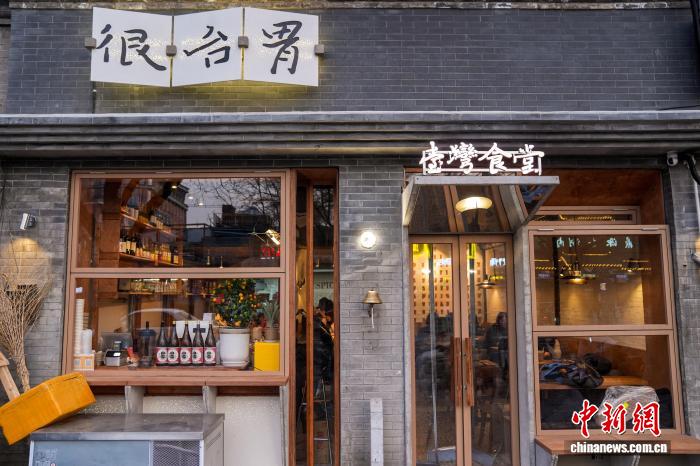
Core Viewpoint - The Taiwanese restaurant "Hen Tai Wei" in Beijing has gained popularity for its authentic Taiwanese flavors, attracting a significant number of customers since its opening in early 2026 [1][2]. Group 1: Restaurant Overview - "Hen Tai Wei" opened in Beijing in early 2026 and quickly became popular on social media, leading to full occupancy during peak hours [1][3]. - The restaurant features a collaboration between a team from both sides of the Taiwan Strait, with a focus on maintaining authentic Taiwanese cuisine [2][3]. Group 2: Menu and Culinary Approach - The restaurant's signature dish, "Gua Bao," is likened to a Taiwanese version of a meat sandwich, showcasing a blend of flavors and textures [2]. - The team emphasizes the importance of using high-quality ingredients and traditional cooking methods to ensure authenticity, such as using bamboo steamers for buns [2][3]. - Seasonal dishes, including Taiwanese-style "runbing" (a type of wrap), are planned for future menus, indicating a commitment to evolving the culinary offerings [4]. Group 3: Customer Engagement and Cultural Connection - The restaurant has seen a diverse clientele, including Taiwanese expatriates traveling long distances for a taste of home, highlighting the emotional connection to Taiwanese cuisine [3]. - The unique appeal of Taiwanese food lies in its familiarity and novelty for mainland diners, fostering curiosity and nostalgia [3]. - The restaurant aims to strengthen cultural ties through food, reflecting shared culinary values between Taiwan and mainland China [3].

“犇赋”两岸烟火气:台北姑娘的北京厨事
Xin Lang Cai Jing· 2026-02-16 07:47
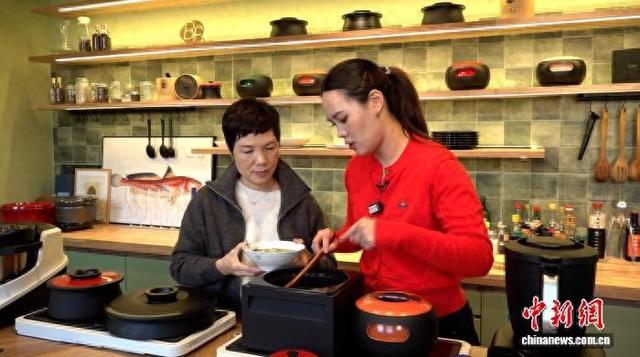
Core Insights - The article highlights the culinary exchange and cultural significance of traditional Taiwanese dishes in Beijing, emphasizing the role of food in fostering connections between the two regions [1] Group 1: Culinary Experience - The article describes a cooking demonstration by Qin Peiwei, a manager from Taipei, showcasing traditional Taiwanese dishes like "Gua Cai Ji" (chicken with mustard greens) and fish, which symbolize abundance during the Lunar New Year [1] - The cooking process involves using local ingredients and techniques, reflecting the culinary heritage and the importance of family gatherings during festive occasions [1] Group 2: Market Trends - The article notes the evolution of kitchenware in mainland China, with a shift towards modern materials like carbon graphite cookware, which enhances cooking efficiency without excessive oil [1] - This trend indicates a broader movement towards improved living standards and culinary experiences among consumers in mainland China [1] Group 3: Cultural Exchange - Qin Peiwei's culinary space serves as a platform for cultural exchange, where she teaches mainland customers how to prepare authentic Taiwanese dishes while also learning from them [1] - The article mentions plans to share recipes and cooking techniques online, aiming to promote further culinary exchanges between Taiwan and mainland China [1]
(新春见闻)“犇赋”两岸烟火气:台北姑娘的北京厨事
Xin Lang Cai Jing· 2026-02-16 03:37
Core Viewpoint - The article highlights the culinary exchange and cultural significance of traditional Taiwanese dishes in Beijing, emphasizing the growing appreciation for diverse food experiences and the modernization of cooking practices in mainland China [1][2][4]. Group 1: Culinary Experience - The cooking demonstration by Qin Peiwei showcases traditional Taiwanese dishes like "Gua Cai Ji" (chicken with mustard greens) and fish, which are staples in both Taiwanese and mainland Chinese New Year celebrations, symbolizing prosperity and longevity [1][5]. - The use of modern cooking tools, such as carbon graphite cookware, reflects the evolving culinary landscape in mainland China, where there is a shift towards more refined and efficient cooking methods [4][5]. Group 2: Cultural Exchange - The experience space created by Qin Peiwei and her mother serves as a platform for culinary education, where they teach authentic Taiwanese cooking techniques to mainland customers, fostering a cross-cultural culinary dialogue [2][5]. - The article notes the enthusiasm of customers who take recipes home, indicating a growing interest in Taiwanese cuisine and the blending of culinary traditions between Taiwan and mainland China [5]. Group 3: Market Trends - The increasing demand for diverse food experiences in mainland China is linked to the country's economic development, which has enhanced the quality of life and culinary aspirations of its citizens [2][4]. - Qin Peiwei plans to leverage the booming mainland market by sharing innovative ideas and recipes, aiming to promote more culinary exchange projects between Taiwan and mainland China [5].
视频丨AI机器人“大厨”来掌勺!解锁“科技+文化+餐饮”新体验
Yang Shi Xin Wen Ke Hu Duan· 2026-01-26 00:23
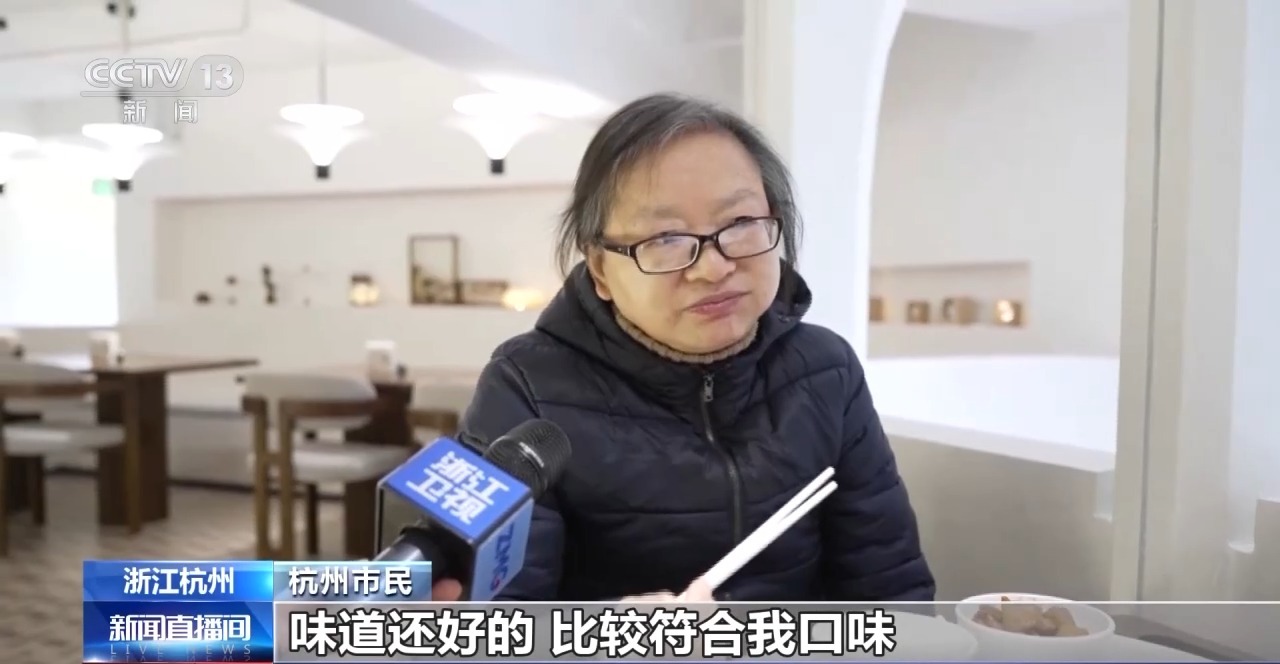
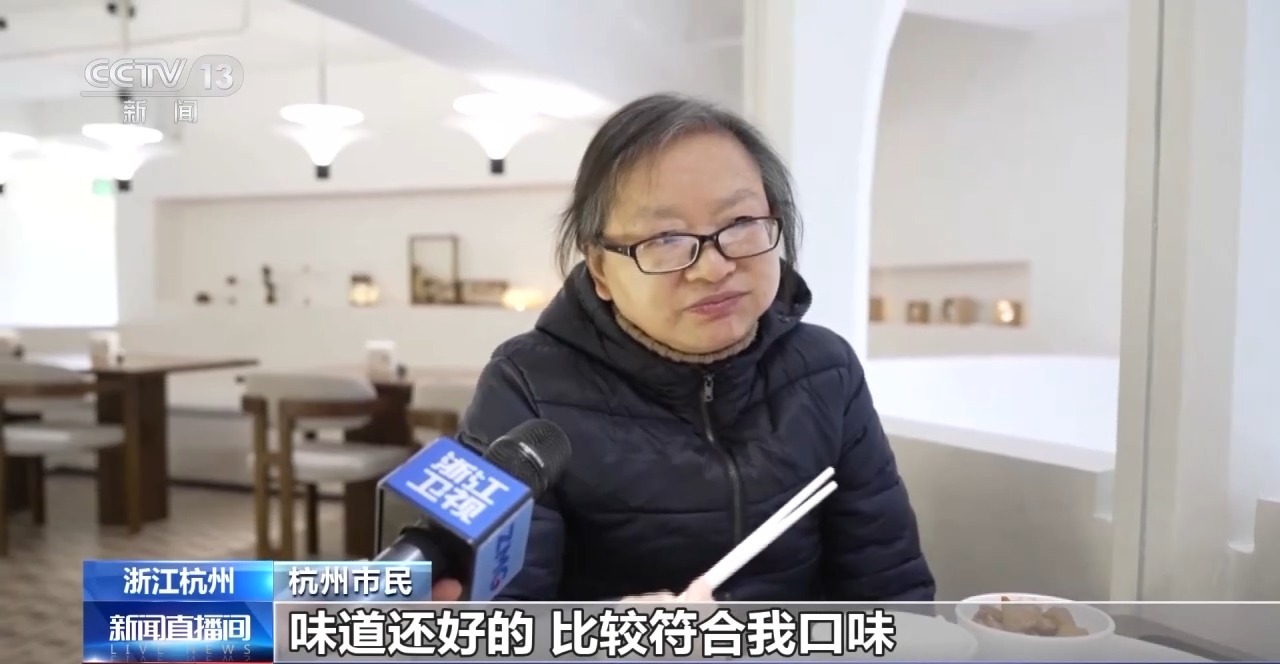
Group 1 - The first fully automated AI robot restaurant in Hangzhou, Zhejiang has begun trial operations, where robots handle all cooking processes from stir-frying to coffee and ice cream preparation [1] - The cooking robot is programmed to prepare dishes like "Three Cups Chicken," with ingredients and seasonings added in sequence, resulting in a flavorful dish [3] - The restaurant features over 100 built-in recipes primarily focused on Hangzhou cuisine, with seasonal dishes developed around the 24 solar terms [7] Group 2 - The noodle-cooking robot can prepare three types of noodles simultaneously, with a cooking time of approximately three minutes [7] - The restaurant is equipped with more than 10 robots, covering various processes including cooking, serving, and cleaning [7] - Customers have expressed satisfaction with the taste, noting it aligns well with their preferences, although some suggest improvements in tenderness [5]

AI机器人“大厨”来掌勺!解锁“科技+文化+餐饮”新体验
Yang Shi Xin Wen· 2026-01-25 22:00
Core Insights - The first fully automated AI robot restaurant in Hangzhou, Zhejiang, has begun trial operations, where robots handle all cooking tasks from stir-frying to coffee and ice cream preparation [1] Group 1: Restaurant Operations - The cooking robot is capable of preparing dishes like "Three Cups Chicken" by following a programmed sequence for ingredient and seasoning addition, resulting in a flavorful dish [1] - The restaurant features over 10 robots, including those for cooking, noodle preparation, coffee making, and cleaning, covering multiple operational processes [6] Group 2: Menu and Technology - The cooking robot has an internal recipe database of over 100 dishes, primarily focusing on Hangzhou cuisine, and has developed 24 seasonal specialty dishes based on the 24 solar terms [6] - The noodle-making robot can simultaneously cook three types of noodles, with a preparation time of approximately 3 minutes [6] Group 3: Customer Experience - Local citizens express nostalgia and excitement about the robot cooking experience, likening it to childhood dreams of robots preparing food [3] - Feedback on the food quality indicates that while the taste is generally acceptable, there is room for improvement in tenderness [4]
从卤肉饭到“月老墙” 台湾大伯伯的贵阳温情驿站
Xin Lang Cai Jing· 2026-01-11 05:54
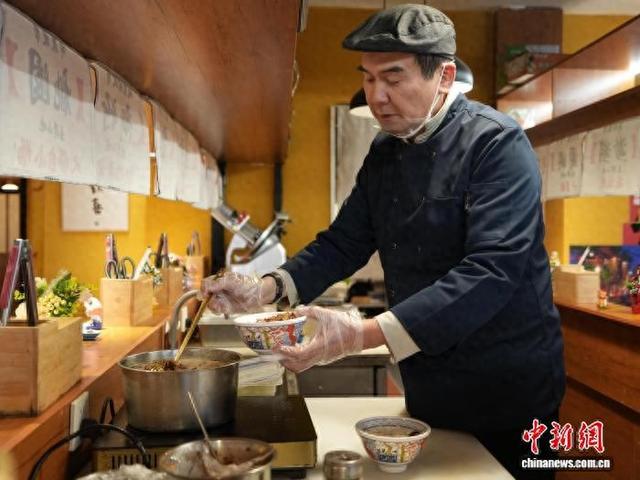
Core Viewpoint - The article highlights the unique cultural and culinary experience offered by a Taiwanese eatery in Guiyang, run by Chen Wenjian, who aims to create a space for social interaction and cultural exchange through food [1][2]. Group 1: Business Overview - Chen Wenjian, affectionately known as "Taiwan Uncle," operates a Taiwanese snack shop in Guiyang, where he serves traditional dishes like braised pork rice and pork chops [2][3]. - The eatery features a "love wall" where customers can leave handwritten notes about their feelings and experiences, fostering a sense of community [2][5]. - Chen's background includes a career in logistics in Taiwan before moving to mainland China, where he opened his restaurant in 2018, driven by his passion for food [5]. Group 2: Culinary Offerings - The menu includes authentic Taiwanese flavors such as hand-sliced braised pork rice, Taiwanese braised beef rice, and sesame oil chicken, with innovative combinations like Guizhou-style rice rolls and ice cream [5]. - The restaurant serves as a microcosm of Taiwanese culture, with decor that showcases Taiwanese landmarks and local delicacies, creating a "edible map" of Taiwan [2]. Group 3: Future Plans - Chen has a clear vision for the future, aiming to establish a replicable small restaurant model and assist young Taiwanese individuals looking to develop their careers in mainland China, particularly in the southwest region [5]. - He emphasizes the importance of creating a platform for cultural integration through food, believing that the remaining connections will be made through culinary experiences and human interactions [5].
卤肉饭与台湾光复节
Xin Lang Cai Jing· 2025-12-26 21:02
Core Perspective - The article highlights the emotional connection of Taiwanese expatriates to their homeland through food, particularly focusing on the significance of traditional dishes like braised pork rice as a means to alleviate homesickness while living abroad [1][5]. Group 1: Cultural Significance of Food - Taiwanese cuisine, including dishes like oyster omelet, three-cup chicken, and braised pork rice, serves as a cultural anchor for Taiwanese immigrants, providing comfort and a sense of belonging in foreign lands [1][2]. - The experience of enjoying traditional Taiwanese food in night markets is portrayed as a way for urban immigrants to cope with nostalgia and homesickness [1][2]. Group 2: Personal Story of a Taiwanese Restaurant Owner - Lucas Yang, a Taiwanese immigrant in London, opened a restaurant to share the flavors of his hometown after years of living abroad, emphasizing the importance of maintaining cultural ties through food [2][5]. - The preparation of dishes like braised pork rice involves careful selection of ingredients and traditional cooking methods, reflecting the challenges faced by Taiwanese immigrants in adapting their culinary practices in a foreign environment [2][3]. Group 3: Historical Context of Taiwanese Cuisine - The evolution of braised pork rice is linked to Taiwan's historical context, particularly during the Japanese colonial period when resource scarcity forced people to create meals from less desirable cuts of meat [4][5]. - The transition from using leftover parts to better quality ingredients post-1945 signifies a shift in Taiwanese cuisine from mere sustenance to a celebrated cultural heritage [5].
江西餐饮从业者话赣菜发展:融入文化元素 开发新产品
Xin Lang Cai Jing· 2025-12-26 13:53
Group 1 - The restaurant industry in Jiangxi, particularly focusing on Gan cuisine, is experiencing growth due to increased popularity and cultural significance [1] - The local government has implemented policies to enhance the visibility and influence of Gan cuisine, contributing to its rising fame [1] - The demand for "Jiangxi small stir-fry" dishes is increasing, attracting more tourists to local restaurants [1] Group 2 - A technology food company in Jiangxi produces 15 to 20 tons of Gan cuisine raw materials daily, serving numerous national chain restaurants [2] - The company has achieved an annual revenue of 1 billion yuan through its two factories, driven by the growing demand for standardized ingredients [2] - Jiangxi has introduced a local standard for "Jiangxi small stir-fry" terminology and definitions to protect traditional cooking techniques and promote the standardization and branding of Gan cuisine [2]
第二届“武夷山水·闽菜厨神”大赛在澳大利亚悉尼举办
Ren Min Wang· 2025-08-20 07:47
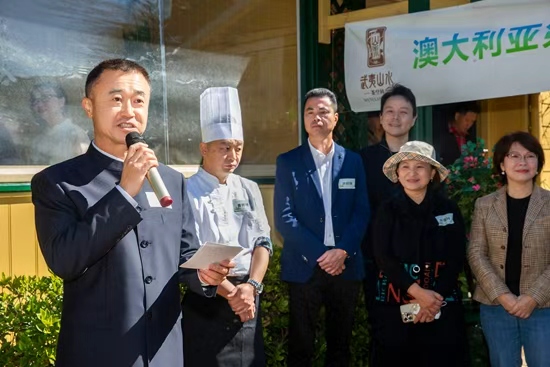
Group 1 - The event "Wuyi Mountain Water · Min Cuisine Chef Competition" was held in Sydney, attracting over 200 participants from the Min and Taiwan communities, emphasizing the importance of food in cultural connection and heritage [1][2] - The Deputy Consul General of China in Sydney, Wang Chunsheng, highlighted that Chinese cuisine serves as a significant cultural identity symbol for Chinese people, fostering warmth and unity among overseas Chinese [2][4] - The competition featured 27 main dishes and 7 tea dishes, showcasing traditional Min and Taiwanese cuisines, with special dishes prepared by a chef team from the Chinese Consulate [6][10] Group 2 - The event was co-hosted by the Australia Xiamen Chamber of Commerce and the Australian Taiwan Compatriots Association, reflecting the deep-rooted connections between the Min and Taiwan communities [5] - The competition not only focused on culinary skills but also aimed to promote cultural exchange between China and Australia, with a special tea segment introduced to enhance this cultural dialogue [5][6] - Awards were given for the best dishes, with the competition serving as a platform for cultural integration and the promotion of Chinese culinary arts [10]
南城香,还是卷进了自选快餐!
3 6 Ke· 2025-05-25 05:06
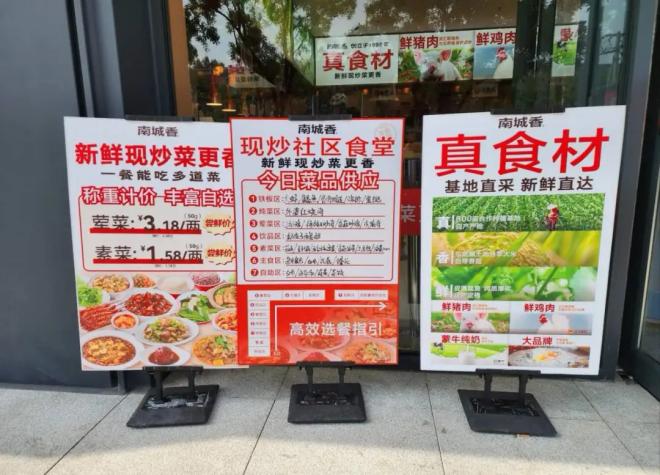
Core Viewpoint - The article discusses the launch of "Nanchengxiang Fresh Stir-Fry Community Canteen" in Beijing, highlighting its innovative approach to community dining through a self-service and fresh stir-fry model, which aims to attract consumers seeking quality and flavor in a competitive market [1][11][18]. Group 1: Business Model - The canteen adopts a "fresh stir-fry + self-service weighing" model, positioning itself as a "community stir-fry canteen" [1][5]. - The store features an open kitchen design, allowing customers to see the cooking process, enhancing the appeal of fresh stir-fry [1][5]. - The dining process is simplified into a clear sequence: cleaning hands, taking trays, selecting dishes, weighing for checkout, and returning utensils [5][9]. Group 2: Product Offering - The canteen offers over 20 types of dishes, with an average cost of 20 yuan per person [7][10]. - Dishes are categorized into five areas: single dishes, meat, vegetables, staple foods, and self-service [7][10]. - Pricing is based on weight for stir-fried dishes (3.18 yuan per 100g for meat, 1.58 yuan per 100g for vegetables) and fixed prices for single dishes (5 yuan for braised pork, 4.9 yuan for shrimp) [9][10]. Group 3: Market Context - The "stir-fry" model is a response to changing consumer preferences, with a growing demand for freshly cooked meals [11][18]. - The competitive landscape in Beijing's dining market is intensifying, with various brands entering the space, making the stir-fry model a strategic necessity for differentiation [14][15][18]. - Nanchengxiang's total revenue reached 1.6 billion yuan in 2024, a 9% increase year-on-year, but with a 14% decline in single-store revenue and a 35% drop in profit [16][20]. Group 4: Operational Adjustments - To cope with competition, Nanchengxiang is adjusting its operational strategies, including reducing costs by eliminating free fruit and modifying self-service options [21][22]. - The introduction of a small hot pot option for dinner aims to enhance profitability and meet consumer demand for variety [23][24]. - The shift towards a focus on "value cultivation" rather than mere expansion reflects a broader trend in the industry towards optimizing individual store profitability [24].