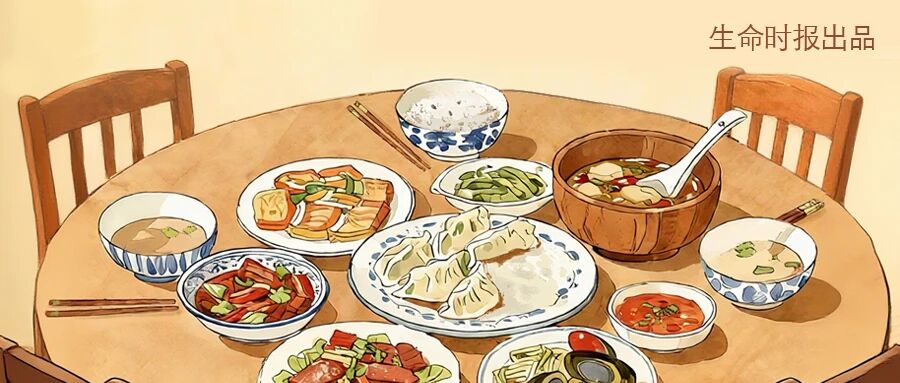
剩菜剩饭

Search documents
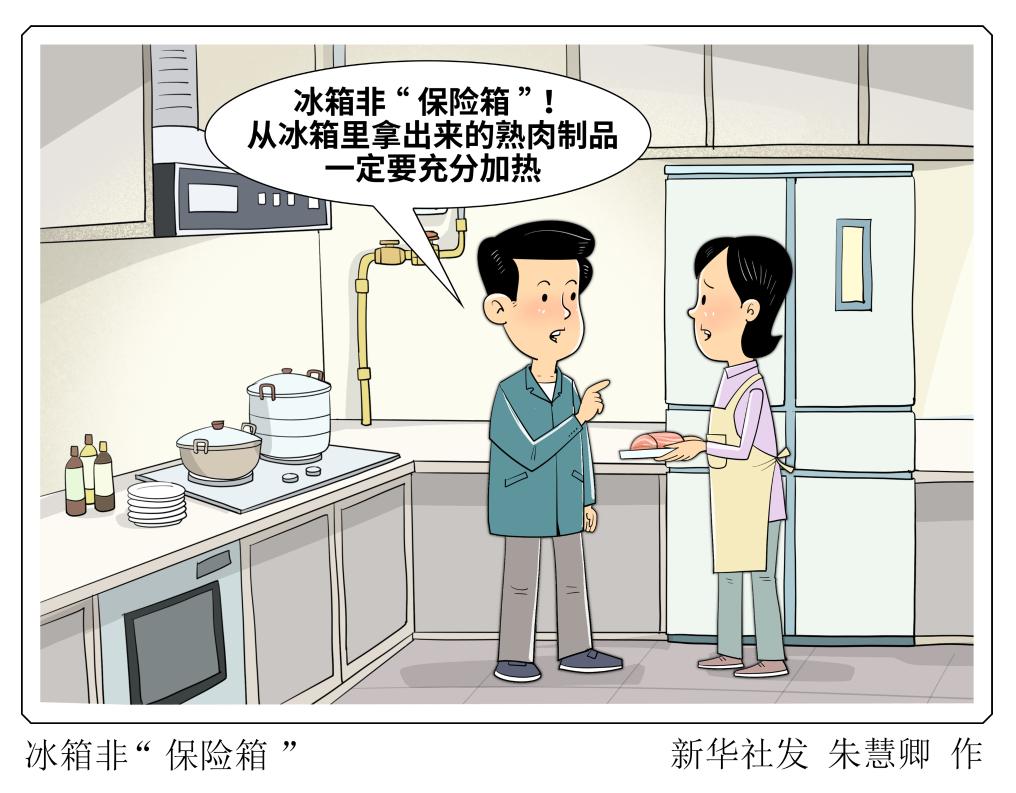
冰箱不是“保险箱” 专家支招剩菜储存
Xin Hua Wang· 2026-02-18 06:29
Core Viewpoint - The article emphasizes the importance of proper storage and handling of leftover food during the Spring Festival, highlighting techniques to ensure food safety and minimize waste [1][4]. Group 1: Food Storage Techniques - Leftovers should be divided into smaller portions while still warm, rather than waiting for them to cool completely before refrigeration [4]. - It is recommended to store food in clean, sealed containers and to separate raw and cooked items to prevent cross-contamination [4]. - Different types of food have varying storage times; for example, leafy greens should be consumed immediately, while root vegetables and tofu can last 1-2 days in the fridge [4]. Group 2: Safety Precautions - Leftover meat and eggs can be refrigerated for 1-2 days, while frozen portions can last about one month [4]. - Seafood should be consumed immediately due to its high protein content and rapid bacterial growth, making it more susceptible to spoilage [4]. - Before consuming leftovers, they must be thoroughly reheated to a core temperature of over 75°C or boiled for 3 minutes to kill bacteria [4].

“春节剩宴”到底能不能吃?剩饭菜处理“口诀”来了
Xin Lang Cai Jing· 2026-02-18 01:53
Group 1 - The article emphasizes the importance of food safety when consuming leftovers, highlighting specific food types that should be avoided or handled with care to prevent health risks [1][6][11] - It provides guidelines for storing different types of leftovers, such as green leafy vegetables, root vegetables, meat, seafood, and dairy products, with specific recommendations on how long they can be stored and the best practices for reheating [1][5][12] - The article warns against the dangers of reheating certain foods, particularly mushrooms, spinach, and silver fungus soup, which can produce harmful substances when stored improperly or reheated [6][8][10] Group 2 - It advises that food should be stored in the refrigerator promptly after cooking to minimize bacterial growth, recommending that food be placed in the fridge while still warm [2][3] - The article suggests that the refrigerator should not be overcrowded and that food should be stored in thin, quick-heat-conducting containers to facilitate faster cooling [3][4] - It highlights the need for separating different food types to prevent cross-contamination and emphasizes the importance of thorough reheating before consumption [5][12][13]
年夜饭倒计时1天,收好这份“除夕剩菜指南”
Xin Lang Cai Jing· 2026-02-15 06:19
Core Viewpoint - The article provides a comprehensive guide on how to safely handle and store leftover food during the Chinese New Year, emphasizing the importance of food safety and proper storage techniques to prevent foodborne illnesses [5][7]. Group 1: Food Safety Guidelines - Leftover food should not be consumed if it has been left out for more than 8-10 hours due to the risk of microbial growth and increased nitrite levels, which can lead to food poisoning and cancer risks [5][6]. - Proper storage conditions are crucial; leftovers should be refrigerated while still warm to prevent bacterial growth, especially at temperatures between 20°C and 30°C [5][6]. - Certain foods, such as leafy greens, seafood, and cold dishes, should ideally be consumed in one sitting due to their higher risk of spoilage and foodborne illness even with proper storage [6][10]. Group 2: Specific Food Handling Recommendations - Leafy vegetables should be consumed fresh as reheating can lead to significant nutrient loss and potential conversion of nitrates to nitrites [6][10]. - Seafood should be prioritized for consumption as it is highly susceptible to microbial degradation; studies indicate that shellfish can be contaminated by cold-tolerant microbes [6][10]. - Cold dishes are at risk of bacterial contamination since they are not subjected to high-temperature cooking; thus, they should not be stored for extended periods [6][10]. Group 3: Storage and Reheating Practices - Leftovers should be stored in small portions to ensure they are consumed quickly; meat can be stored in the refrigerator for up to two days and in the freezer for over a week [14][21]. - Rice should be refrigerated, while noodles can be either refrigerated or frozen; both should be reheated thoroughly before consumption [21][30]. - Soups should be boiled again before storage and can be kept in the refrigerator for 1-2 days; they should also be reheated to boiling before serving [22][23]. Group 4: Cultural Context - The article highlights the cultural significance of not wasting food during the New Year celebrations, promoting the idea that enjoying meals without excess is more important than having an extravagant spread [34].