动物肝脏

Search documents
猫冬这样吃 免疫力妥妥的
Bei Jing Qing Nian Bao· 2025-12-02 01:28
Core Viewpoint - The article emphasizes the importance of a balanced and nutritious diet during winter to enhance immunity and adapt to colder temperatures, highlighting specific dietary recommendations to prevent common winter illnesses. Group 1: Energy Supply - Adequate energy intake is crucial in winter as the body requires more calories to maintain normal temperature and physiological activities, necessitating an increase in caloric consumption [2] - It is recommended to mix staple foods like rice and grains, incorporating options such as millet, corn, and whole grains to ensure a balanced diet [2] - Daily oil intake should be controlled to below 25 grams, preferably using unsaturated fats from plant oils, while avoiding excessive animal fats [2] Group 2: Protein Intake - Sufficient protein intake is essential for synthesizing antibodies that help the body resist cold and infections, with recommendations to include lean meats, fish, eggs, and dairy in meals [3] - Each meal should ideally contain about one-third of protein, with specific examples provided for breakfast, lunch, and dinner [3] - While animal proteins are generally superior, care should be taken to avoid excessive fat intake, with suggestions for lean cuts of meat [3] Group 3: Vitamins and Minerals - Increased demand for vitamins related to energy metabolism, particularly vitamin B2, is noted, with animal liver, eggs, and milk as good sources [4] - Vitamin C is highlighted for its role in enhancing cold resistance and collagen synthesis, with fresh fruits and vegetables recommended, particularly winter jujubes [5] - Vitamin A is important for maintaining the health of epithelial tissues, with suggestions for daily vegetable intake to ensure adequate levels [5] Group 4: Calcium and Iron - Calcium intake is emphasized, especially for children and the elderly, with dairy products recommended as primary sources [6] - Iron-rich foods are necessary to support blood circulation and immune function, with animal sources being more easily absorbed than plant sources [7] Group 5: Zinc and Dietary Practices - Foods rich in zinc, such as red meat and shellfish, are recommended to reduce infection risk during winter [8] - It is advised to avoid raw and cold foods to prevent gastrointestinal irritation, and to limit the consumption of overly fatty foods to maintain digestive health [9][10]
吃肝补肝?想多了
Bei Jing Qing Nian Bao· 2025-09-16 01:36
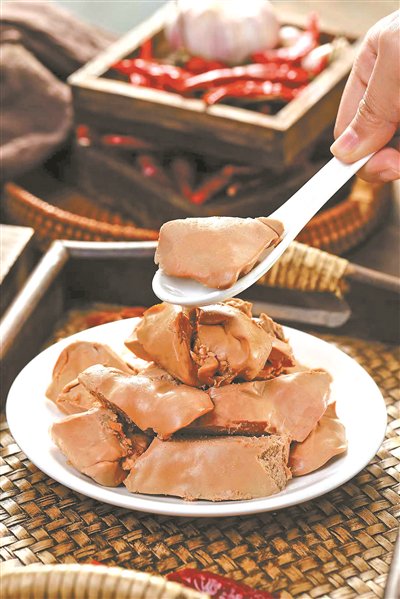
Group 1 - The traditional belief that "eating liver nourishes the liver" lacks scientific support, as the nutrients from animal liver are broken down and utilized by the body rather than specifically targeting liver health [3] - A balanced diet, moderation in alcohol consumption, and regular lifestyle habits are recommended for liver health instead of relying on liver consumption [3] Group 2 - Animal liver is rich in high-quality proteins, vitamins A, B vitamins, iron, and zinc, but should be consumed in moderation, with recommendations of 1 to 2 times per month and no more than 50 grams per serving [4] - High cholesterol content in animal liver, such as 288 mg per 100g in pork liver, can pose cardiovascular risks if consumed excessively [4] - Animal liver is high in purines, with 200 to 300 mg per 100g, which can exacerbate conditions like gout and high uric acid levels [5][6] Group 3 - Excessive consumption of animal liver can lead to vitamin A toxicity, resulting in symptoms like liver damage and osteoporosis [5] - Long-term high intake of animal liver may accumulate heavy metals and fat-soluble toxins, posing risks to the nervous system and liver and kidney functions, especially in children [5] Group 4 - Specific populations, such as children and pregnant women, should limit their intake of animal liver due to the risk of vitamin A toxicity and other health concerns [5][6]

朝“问”健康丨女性气血不足该怎么调理?
Yang Shi Xin Wen· 2025-09-07 01:46
Group 1 - The article emphasizes the importance of regulating qi and blood, especially for women, after the White Dew season due to symptoms of fatigue and poor health [1] - Dietary adjustments are recommended, including the intake of iron, protein, and vitamin-rich foods such as animal liver, lean meat, red dates, and goji berries, while avoiding cold foods [1] - Herbal soups made from ingredients like Angelica and Astragalus can be beneficial, but should be tailored to individual constitution and not overconsumed [1] Group 2 - Moderate exercise is suggested to promote qi and blood circulation, with activities like brisk walking and yoga being ideal, while intensity should be kept low [3] - It is advised to avoid intense workouts that may deplete qi and blood, especially during menstruation, and to maintain warmth [4] Group 3 - For severe cases of qi and blood deficiency, traditional Chinese medicine (TCM) approaches are recommended [6] - Acupuncture at specific points such as Zusanli and Sanyinjiao, along with moxibustion at Guanyuan and Qihai, can help in warming and supplementing qi and blood [7] - Massage therapy is also suggested to improve qi and blood circulation [7]