蛋白质摄入

Search documents
使用司美格鲁肽减重时,吃够蛋白质有多重要!
GLP1减重宝典· 2025-12-18 15:59
Core Viewpoint - The article emphasizes the importance of adequate protein intake and a balanced diet for individuals using semaglutide, a GLP-1 receptor agonist, for weight loss and diabetes management [2][4][5]. Group 1: Importance of Protein and Diet - Adequate protein intake is crucial when using semaglutide to maintain muscle mass during weight loss [2]. - A balanced diet that includes high fiber foods, such as vegetables and whole grains, is recommended to reduce side effects like constipation and to enhance satiety [2][4]. - The use of multivitamins may help address nutritional deficiencies that arise from reduced food intake during weight loss [4]. Group 2: Mechanism of GLP-1 Drugs - GLP-1 receptor agonists, like semaglutide, mimic the action of the natural hormone GLP-1, which plays a significant role in blood sugar regulation [6]. - These drugs promote insulin secretion from pancreatic beta cells in a glucose-dependent manner, helping to lower postprandial blood sugar levels [6]. - They inhibit glucagon secretion from alpha cells, which typically raises blood sugar levels, thus contributing to lower blood sugar [6]. - GLP-1 receptor agonists delay gastric emptying, reducing the rate at which food enters the small intestine, which aids in controlling post-meal blood sugar spikes [7]. - They also act on the brain's appetite regulation centers to suppress appetite, assisting in weight management [8]. - Long-term use may improve or protect pancreatic beta cell function, which is particularly important for type 2 diabetes patients [9]. Group 3: Impact on Metabolism - A study indicated that semaglutide not only increases satiety but also directly affects metabolism, leading to increased energy expenditure [10]. - The basal metabolic rate (BMR), which accounts for approximately 70% of daily energy expenditure, may be enhanced in individuals using GLP-1 analogs, making it easier to lose weight [11]. - Increased metabolic activity in users of GLP-1 drugs suggests that these medications play a significant role in weight loss by promoting higher energy consumption [11][13].


猫冬这样吃 免疫力妥妥的
Bei Jing Qing Nian Bao· 2025-12-02 01:28
Core Viewpoint - The article emphasizes the importance of a balanced and nutritious diet during winter to enhance immunity and adapt to colder temperatures, highlighting specific dietary recommendations to prevent common winter illnesses. Group 1: Energy Supply - Adequate energy intake is crucial in winter as the body requires more calories to maintain normal temperature and physiological activities, necessitating an increase in caloric consumption [2] - It is recommended to mix staple foods like rice and grains, incorporating options such as millet, corn, and whole grains to ensure a balanced diet [2] - Daily oil intake should be controlled to below 25 grams, preferably using unsaturated fats from plant oils, while avoiding excessive animal fats [2] Group 2: Protein Intake - Sufficient protein intake is essential for synthesizing antibodies that help the body resist cold and infections, with recommendations to include lean meats, fish, eggs, and dairy in meals [3] - Each meal should ideally contain about one-third of protein, with specific examples provided for breakfast, lunch, and dinner [3] - While animal proteins are generally superior, care should be taken to avoid excessive fat intake, with suggestions for lean cuts of meat [3] Group 3: Vitamins and Minerals - Increased demand for vitamins related to energy metabolism, particularly vitamin B2, is noted, with animal liver, eggs, and milk as good sources [4] - Vitamin C is highlighted for its role in enhancing cold resistance and collagen synthesis, with fresh fruits and vegetables recommended, particularly winter jujubes [5] - Vitamin A is important for maintaining the health of epithelial tissues, with suggestions for daily vegetable intake to ensure adequate levels [5] Group 4: Calcium and Iron - Calcium intake is emphasized, especially for children and the elderly, with dairy products recommended as primary sources [6] - Iron-rich foods are necessary to support blood circulation and immune function, with animal sources being more easily absorbed than plant sources [7] Group 5: Zinc and Dietary Practices - Foods rich in zinc, such as red meat and shellfish, are recommended to reduce infection risk during winter [8] - It is advised to avoid raw and cold foods to prevent gastrointestinal irritation, and to limit the consumption of overly fatty foods to maintain digestive health [9][10]
中国人缺蛋白,凭什么怪米饭?
3 6 Ke· 2025-11-25 08:58
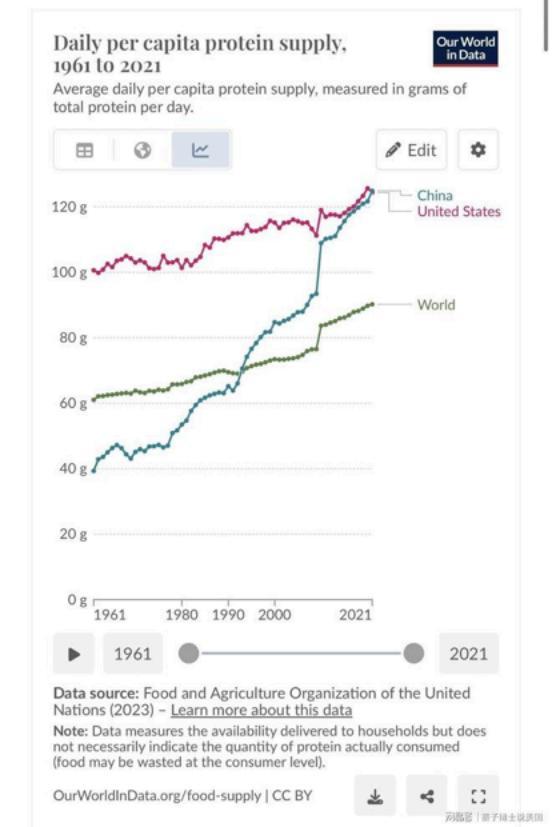
Core Viewpoint - The article discusses the shift of "high-protein" from a niche demand among fitness enthusiasts to a standard dietary requirement for the general population in China, addressing the protein intake issue through advancements in the food industry rather than changing dietary habits [1][17]. Summary by Sections Protein Intake in China - There is a misconception that Chinese people lack protein intake compared to Americans, as recent reports indicated that China's per capita protein supply has surpassed that of the U.S. [3][4]. - Actual per capita protein intake in China is estimated to be around 65-85 grams, which meets recommended standards but still lags behind developed countries [4]. Dietary Habits and Protein Sources - The perceived protein deficiency is attributed more to dietary habits than to a lack of availability, as meat, eggs, and dairy are now more affordable [5]. - Adopting Western dietary patterns is not necessarily a scientific solution, as American diets are high in protein but also in fats and sugars, which may not be suitable for the East Asian population due to lactose intolerance [6][7]. Food Industry Solutions - The article suggests that the solution to protein deficiency lies in advancements in the food industry rather than a complete overhaul of traditional Chinese diets [8]. - Historical examples of successful public health interventions, such as iodized salt, illustrate that nutritional deficiencies can be addressed without altering food preferences [8]. Yeast Protein as a Breakthrough - Yeast protein, derived from yeast cells, contains 40-60% high-quality protein and can be produced sustainably without the need for livestock or large agricultural land [9][10]. - Yeast protein has a complete amino acid profile and a high digestibility rate of 96%, making it a viable alternative to traditional protein sources [10][11]. Integration into Daily Diet - The unique advantage of yeast protein is its ability to be incorporated into various foods without altering their taste, allowing for "invisible" protein enhancement in everyday meals [13][14]. - The market for yeast protein is in its early stages but shows significant growth potential, with Chinese brands beginning to emerge [14][17]. Conclusion - The article concludes that the integration of yeast protein into the food supply can address protein intake issues in China without requiring a change in cultural eating habits, thus fulfilling the ultimate mission of the food industry [17][18].

怎样才能最大限度地减少纯脂肪,同时提升肌肉含量?
GLP1减重宝典· 2025-11-11 10:37
Core Viewpoint - The article emphasizes the importance of a balanced approach to fat loss and muscle gain, highlighting the significance of caloric deficit, protein intake, exercise types, and sleep quality in achieving sustainable results [6][7][18]. Summary by Sections Caloric Deficit - A daily caloric deficit of 300-500 kcal is deemed optimal for effective fat burning while preserving muscle mass, reducing the risk of rebound weight gain [7][9]. - It is recommended to calculate the basal metabolic rate and total daily energy expenditure to establish a suitable caloric deficit [8]. Protein Intake - The article suggests a protein intake of 1 gram per kilogram of body weight, with examples provided for a woman weighing 60 kg needing approximately 60 grams of high-quality protein daily [11]. - Each meal should contain 20-30 grams of protein to meet synthesis needs, as excessive protein may increase diabetes risk [11]. Exercise Recommendations - Strength training is crucial for muscle growth, with a recommendation of 2-3 sessions per week, lasting 30-60 minutes each [13]. - Aerobic exercise should be limited to 3-5 times a week for 20-30 minutes to prevent muscle loss [14]. Sleep Importance - Sleep plays a vital role in muscle synthesis and fat breakdown, with optimal sleep times suggested to be around 10:30 PM to 7 AM [16][17]. - The article posits that effective weight management is a combination of exercise, diet, and sleep, with sleep acting as a bridge to maximize the effects of the other two [18]. Muscle Preservation - It is noted that even with proper diet, exercise, and sleep, muscle gain during a month is limited to just over a pound, emphasizing the need to protect muscle during fat loss [19].