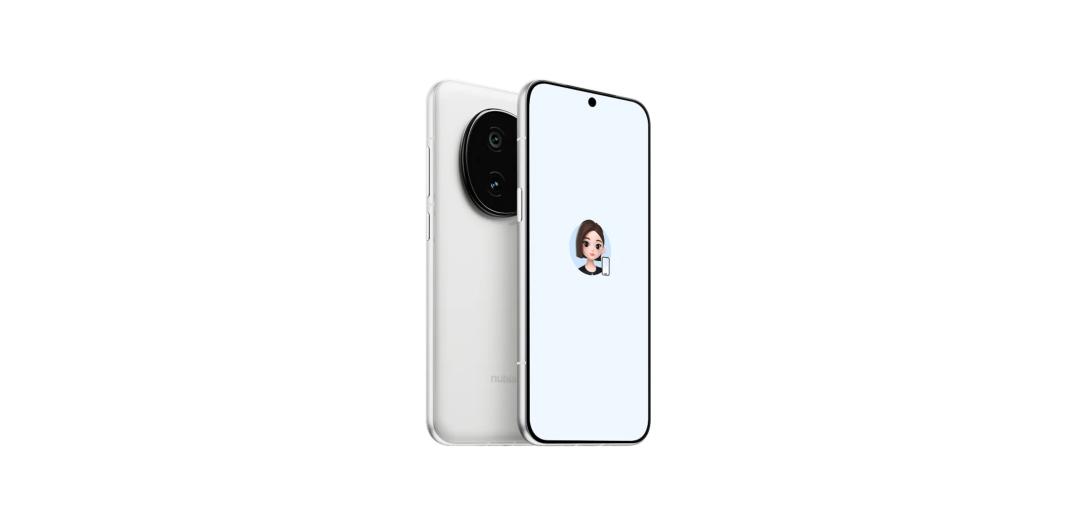
努比亚手机M153

Search documents
豆包的AI助手江湖
创业邦· 2025-12-03 10:12
Core Viewpoint - The article discusses the emergence of ByteDance's AI assistant "Doubao" as a significant player in the mobile AI landscape, highlighting its collaboration with Nubia to create a new AI smartphone assistant that integrates advanced AI capabilities into mobile devices [5][19]. Group 1: Doubao's Development and Features - Doubao is rapidly expanding its functionalities, evolving from an AI assistant to a more integrated mobile experience, as demonstrated by its recent launch on Nubia's M153 smartphone [5][7]. - The M153 smartphone features a Qualcomm Snapdragon 8 Gen 2 chip, 16GB RAM, and 512GB storage, priced at 3499 yuan, indicating a focus on functionality over high-end specifications [7]. - Doubao's capabilities include voice recognition, multi-modal interactions, and the ability to perform complex tasks such as travel planning and cross-platform operations, showcasing its advanced AI technology [8][12]. Group 2: Strategic Collaborations and Market Position - ByteDance's collaboration with Nubia represents a strategic move to establish a benchmark for AI integration in smartphones, aiming to attract other manufacturers to adopt Doubao [12][13]. - The partnership allows Doubao to leverage Nubia's hardware capabilities while maintaining control over the AI software, positioning it as a potential standard for AI assistants in the mobile market [12][19]. - The article emphasizes the importance of hardware-software integration for AI assistants, suggesting that mobile devices are crucial for the widespread adoption of AI technologies [11][19]. Group 3: Competitive Landscape and Future Implications - The competition among smartphone manufacturers to integrate AI capabilities is intensifying, with companies like OPPO and others exploring various AI applications [17][18]. - The article notes that while Doubao aims to redefine the role of AI assistants in smartphones, it faces challenges in achieving deep integration with different operating systems and ensuring consistent performance across devices [24]. - The evolving relationship between AI software providers and hardware manufacturers is highlighted as a critical factor in shaping the future of mobile AI, with potential implications for market dynamics and consumer choices [24][26].


豆包的AI助手江湖
3 6 Ke· 2025-12-02 11:15
Core Insights - The article discusses the launch of ByteDance's AI assistant "Doubao," which aims to integrate deeply with smartphone hardware, particularly through a collaboration with Nubia [1][8][21] - The competition among major internet companies like Baidu, Alibaba, and ByteDance reflects a fear of obsolescence in the face of rapidly evolving AI technologies [1][4] Group 1: Product Development and Features - Doubao is designed to function as a comprehensive AI assistant, capable of performing tasks such as automatic booking and cross-platform operations, showcasing its advanced capabilities [3][9][21] - The collaboration with Nubia involves using the Snapdragon 8 Gen 2 chip, which supports multi-modal AI applications, indicating a focus on functionality over high-end specifications [3][10] - Doubao's assistant features include voice activation and a side AI key, allowing for seamless interaction with the device [3][4] Group 2: Market Strategy and Positioning - ByteDance's strategy involves positioning Doubao as a standard AI assistant for smartphone manufacturers, similar to Apple's Siri, aiming to enhance user experience and drive hardware sales [16][21] - The partnership with Nubia is seen as a way to create a benchmark for other manufacturers, despite Nubia's relatively weaker market position compared to larger brands [8][10] - The article highlights the importance of hardware-software integration, suggesting that Doubao's success depends on its ability to work closely with smartphone manufacturers to overcome challenges related to permissions and functionality [11][22] Group 3: Competitive Landscape - The AI assistant market is becoming increasingly competitive, with various companies developing their own solutions, leading to a "battle for entry points" in the ecosystem [20][22] - ByteDance's approach contrasts with other companies by focusing on creating a collaborative environment with hardware manufacturers rather than directly competing in the hardware space [17][22] - The article notes that while Doubao aims to redefine the role of AI assistants, it faces challenges in achieving widespread adoption and integration across different platforms and devices [21][22]