
医智方舟

Search documents
“超级助手”来帮忙 AI让深圳医疗效率“起飞”
Yang Shi Wang· 2025-11-05 07:46
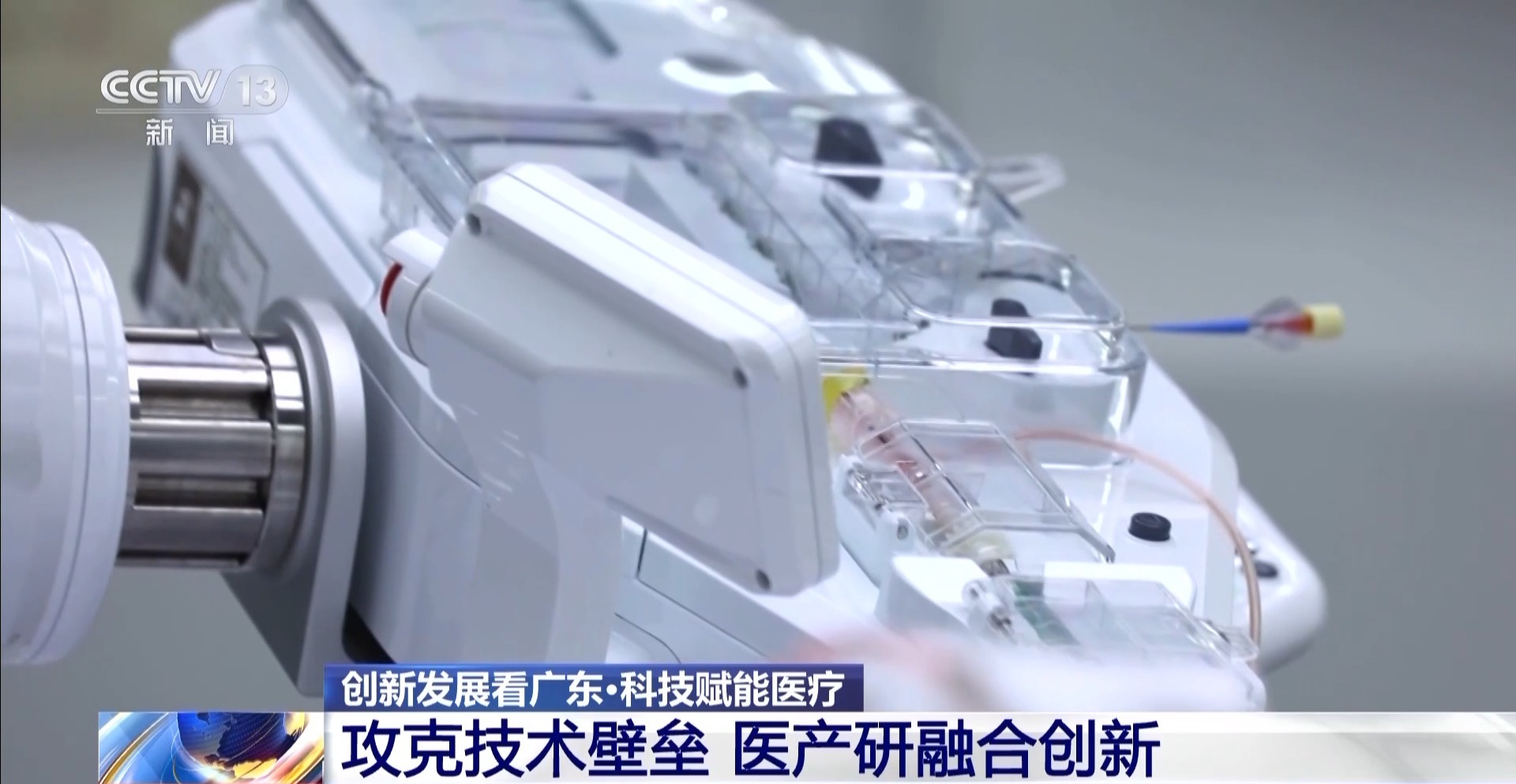
Core Insights - The article emphasizes the acceleration of health development in China, particularly through the integration of artificial intelligence (AI) and advanced technologies in the medical field, with Shenzhen as a leading example [1][30] Group 1: Technological Innovations in Healthcare - Shenzhen is leveraging its technological advantages to address medical resource imbalances, focusing on high-tech cardiovascular surgeries as a key area for development [3][30] - The collaboration between companies and research institutions, such as the establishment of a specialized lab with the Shenzhen Institute of Advanced Technology, aims to enhance robotic capabilities in surgeries by integrating force feedback mechanisms [5][7] - A surgical robot has been developed that can perform complex tasks like suturing and tumor removal, significantly improving operational efficiency by over three times [10][12] Group 2: AI Applications in Medical Processes - Over 450 intelligent applications have been integrated into various medical processes in Shenzhen, including smart triage systems that match patients with appropriate departments based on their symptoms [10][14] - AI technologies are also being utilized in traditional medicine practices, such as automated herbal medicine preparation and acupuncture, enhancing service quality and efficiency [16][18] - A city-level smart healthcare platform, "Yizhi Fangzhou," has been launched, connecting over 30 specialized models to improve diagnostic accuracy and decision-making efficiency by over 50% [23][25] Group 3: Quality Assurance and Evaluation - To ensure the safety and effectiveness of AI technologies in healthcare, Shenzhen has established expert review committees to evaluate new products before they are implemented in hospitals [19][21] - The integration of AI in healthcare is supported by a robust data management system that includes over 100,000 medical cases and guidelines, enhancing the training of AI models [25][27] Group 4: Broader Implications for Urban Life - The integration of AI extends beyond healthcare, impacting various aspects of urban life, including logistics and public services, showcasing a comprehensive approach to smart city development [28][30] - By 2024, the AI industry in Shenzhen is projected to exceed 70 billion yuan, with over 2,600 companies contributing to its growth, marking a significant shift from theoretical applications to practical implementations [30]

“十四五”答卷·科技支撑强国建设|科技创新开辟健康中国新赛道
Ke Ji Ri Bao· 2025-09-28 09:47
Group 1: Healthcare Innovation and Technology - The construction of the heavy ion radiation therapy system in Jinan is accelerating, showcasing China's advancements in high-end medical equipment for cancer treatment [1] - The approval of the first gene therapy drug for hemophilia B, developed by a Shanghai company, marks a significant milestone in China's biopharmaceutical industry [2] - The emergence of AI-driven drug discovery platforms is revolutionizing the pharmaceutical industry, with over 200 innovative drugs approved in China since the start of the 14th Five-Year Plan [3] Group 2: Medical Equipment Development - A range of high-end medical equipment has been developed, including intelligent minimally invasive surgical systems and advanced imaging devices, enhancing surgical precision and capabilities [5][6] - The introduction of AI-assisted surgical navigation has improved surgical accuracy by 8% and reduced error rates by 43%, demonstrating the effectiveness of integrating AI in medical procedures [6] - The approval of 265 innovative medical devices, including the carbon ion therapy system, highlights China's progress in developing autonomous high-end medical equipment [6] Group 3: Smart Healthcare Initiatives - The launch of the "Yizhi Ark" medical model cluster in Shenzhen aims to improve healthcare resource distribution and enhance public health services through data integration [7] - The development of national-level specialized medical model clusters is facilitating cross-institutional collaboration and improving healthcare delivery [8] - AI technologies are being utilized to enhance diagnostic and treatment processes, significantly improving patient outcomes and healthcare accessibility [8]