华为WATCH系列

Search documents
重新定义智能手表,华为花了十年“笨功夫”
Guan Cha Zhe Wang· 2026-01-03 01:27
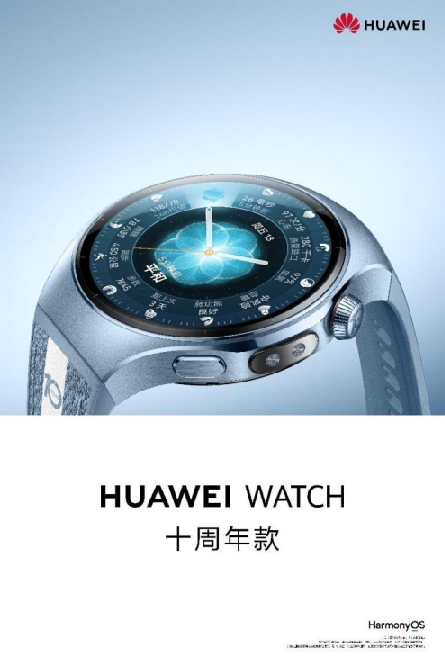
Core Insights - The article discusses the transformation of smartwatches from mere smartphone accessories to independent health management devices, highlighting the increasing adoption of these devices for monitoring health metrics like heart rate and sleep analysis [1][2]. Company Overview - Huawei is identified as a key player driving the evolution of the smartwatch industry, with its focus on health management and user experience since the launch of its first HUAWEI WATCH in 2015 [2][10]. - The company has integrated advanced health monitoring features into its devices, such as ECG heart analysis and blood pressure measurement, showcasing its commitment to merging professional medical capabilities with consumer technology [2][8]. Product Development - Huawei has introduced innovative features like the X-TAP smart sensing window for rapid blood oxygen detection, which reflects the company's dedication to refining user experience through technology [3]. - The latest HUAWEI WATCH 10th Anniversary model includes a health dashboard that presents 12 health metrics visually, making it easier for users to track their health [6][8]. User Experience - The company acknowledges the challenge of complex functionalities in smartwatches and aims to simplify user interaction by presenting advanced features in an accessible manner [5][10]. - The upgraded AI assistant, "腕上小艺," enhances user engagement by providing personalized health insights and support during activities, transforming the smartwatch into a more interactive companion [9]. Market Trends - The article notes a growing consumer preference for mid to high-end smartwatches, with an increasing focus on health-related functionalities, indicating a shift in market demand [10]. - Huawei's approach to integrating AI-driven health analysis into its products is seen as a validation of its strategic direction in the competitive smartwatch landscape [10].

腕上智能十年:华为WATCH系列的“笨功夫”与健康科技“大棋局”
Jing Ji Guan Cha Wang· 2025-12-30 13:30
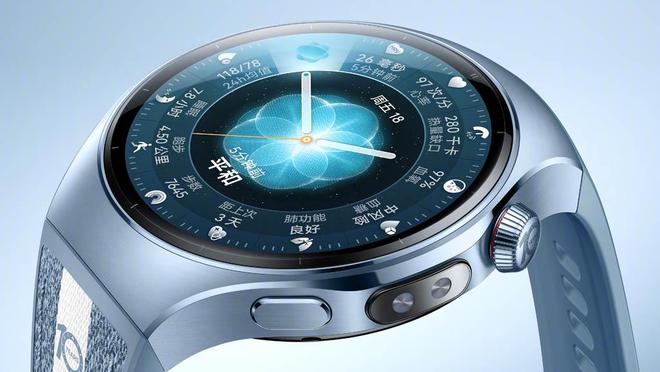
Core Insights - Huawei's 10th anniversary of the WATCH series marks a significant milestone, showcasing the evolution of smartwatches from mere tech gadgets to essential health companions [1][10][18] - The company emphasizes a user-friendly experience by transforming complex health technologies into accessible features, reflecting a commitment to continuous research and development over the past decade [5][9][18] Group 1: Product Development and Innovation - The new Huawei WATCH incorporates the advanced X-TAP sensing technology, allowing for quick health assessments, such as a 10-second blood oxygen reading and a comprehensive health check in 60 seconds [7][9] - Huawei's collaboration with authoritative medical institutions has enabled the identification of health risks for over 200,000 users, demonstrating the integration of medical-grade insights into everyday health monitoring [9][10] Group 2: User Experience and Interaction - The "health dashboard" feature innovatively displays 12 core health metrics on the watch face, allowing users to monitor their health effortlessly while checking the time [12][10] - The upgraded HarmonyOS 6.0 and AI capabilities enhance user interaction, enabling personalized health insights and simplifying complex data interpretation [14][10] Group 3: Market Positioning and Strategy - Huawei's product strategy aims for comprehensive coverage across various consumer needs, offering a range of models from the flagship WATCH5 to the fashion-oriented GT series, ensuring digital health is accessible to all [16][18] - The anniversary edition not only pays homage to the original model but also reinforces Huawei's commitment to quality and durability through premium materials [16][18]
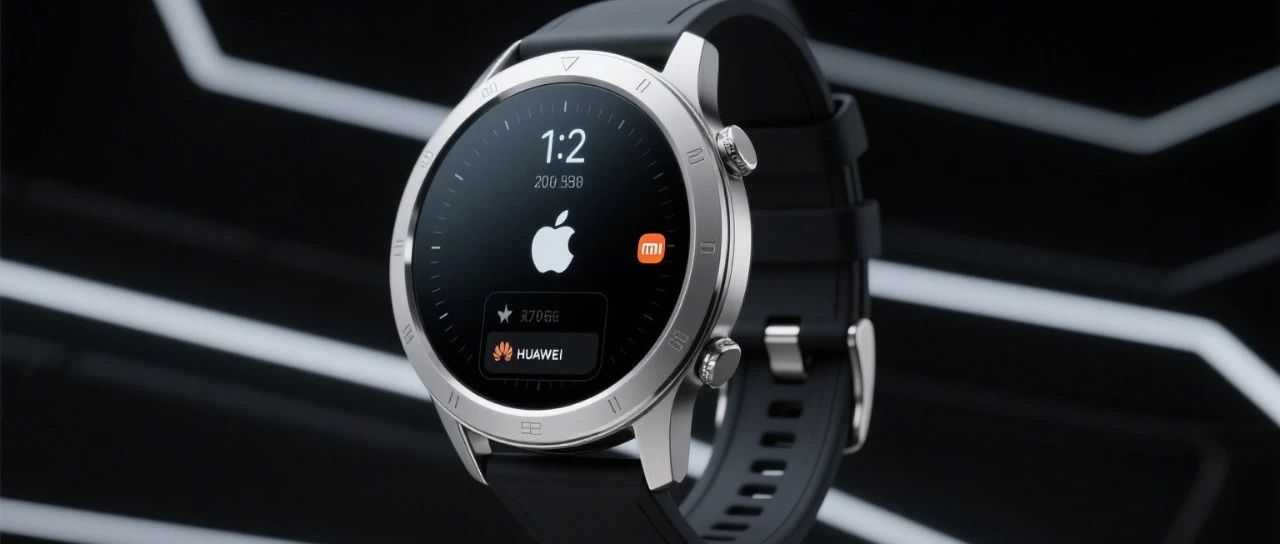
华为、小米为什么下场做AI手表?
AI研究所· 2025-06-06 10:21
Core Viewpoint - The competition among smartphone manufacturers in the smartwatch market is intensifying, with companies like Xiaomi, Huawei, and Apple launching new products to capture market share amid declining smartphone sales [1][2][4]. Group 1: Market Dynamics - The global smartphone market has seen a continuous decline, with a year-on-year drop of 8% in Q3 2023, marking the worst performance in nearly a decade [5]. - In contrast, the smartwatch market is thriving, with a year-on-year growth of 13% in Q2 2024, indicating a shift in focus for smartphone manufacturers [5]. Group 2: Ecosystem Development - Building a complete ecosystem is crucial for tech giants, with smartwatches becoming an integral part of this strategy due to their connectivity and user engagement [6]. - Apple has sold over 300 million Apple Watches since its launch, creating a strong ecosystem that enhances user loyalty and experience [7][9]. - Huawei's smartwatches, like the WATCH FIT 3, leverage the HarmonyOS to provide seamless integration with other Huawei devices, enhancing user convenience [11]. - Xiaomi's smartwatches contribute to its IoT ecosystem, with a 20.3% year-on-year revenue growth in IoT and lifestyle products, driven by wearable devices [12]. Group 3: Supply Chain and Profitability - Smartphone manufacturers have inherent advantages in supply chain management when entering the smartwatch market, allowing them to reduce costs through existing supplier relationships [14][15]. - Key components like chips and displays are shared between smartphones and smartwatches, enabling manufacturers to leverage their established supply chains for competitive pricing [14][18]. - Apple's proprietary S-series chips provide a performance edge for its smartwatches, while Huawei focuses on developing its Kirin chips to enhance performance and reduce dependency on external suppliers [18][20]. - Market share expansion is vital for long-term profitability, as it allows manufacturers to achieve economies of scale and improve bargaining power with suppliers [21]. - The smartwatch market also offers opportunities for software and service revenue, with companies like Apple and Huawei expanding their ecosystems through paid applications and services [22]. Group 4: Future Outlook - The global smartwatch market is projected to grow, with a 13% year-on-year increase in Q1 2025, driven by various price segments [23]. - In China, the fastest-growing price segments for smartwatches are between ¥500-1000, ¥1000-1500, and ¥1500-2000, with growth rates of 83.1%, 112.3%, and 77.0% respectively [23]. - The competition in the smartwatch market will hinge on meeting user needs, optimizing ecosystems, and innovating business models to succeed in this emerging market [24].