单发双座轻型运动飞机

Search documents
万亿赛道加速起飞,低空经济解锁空中“新玩法”
Bei Jing Ri Bao Ke Hu Duan· 2026-01-01 22:56
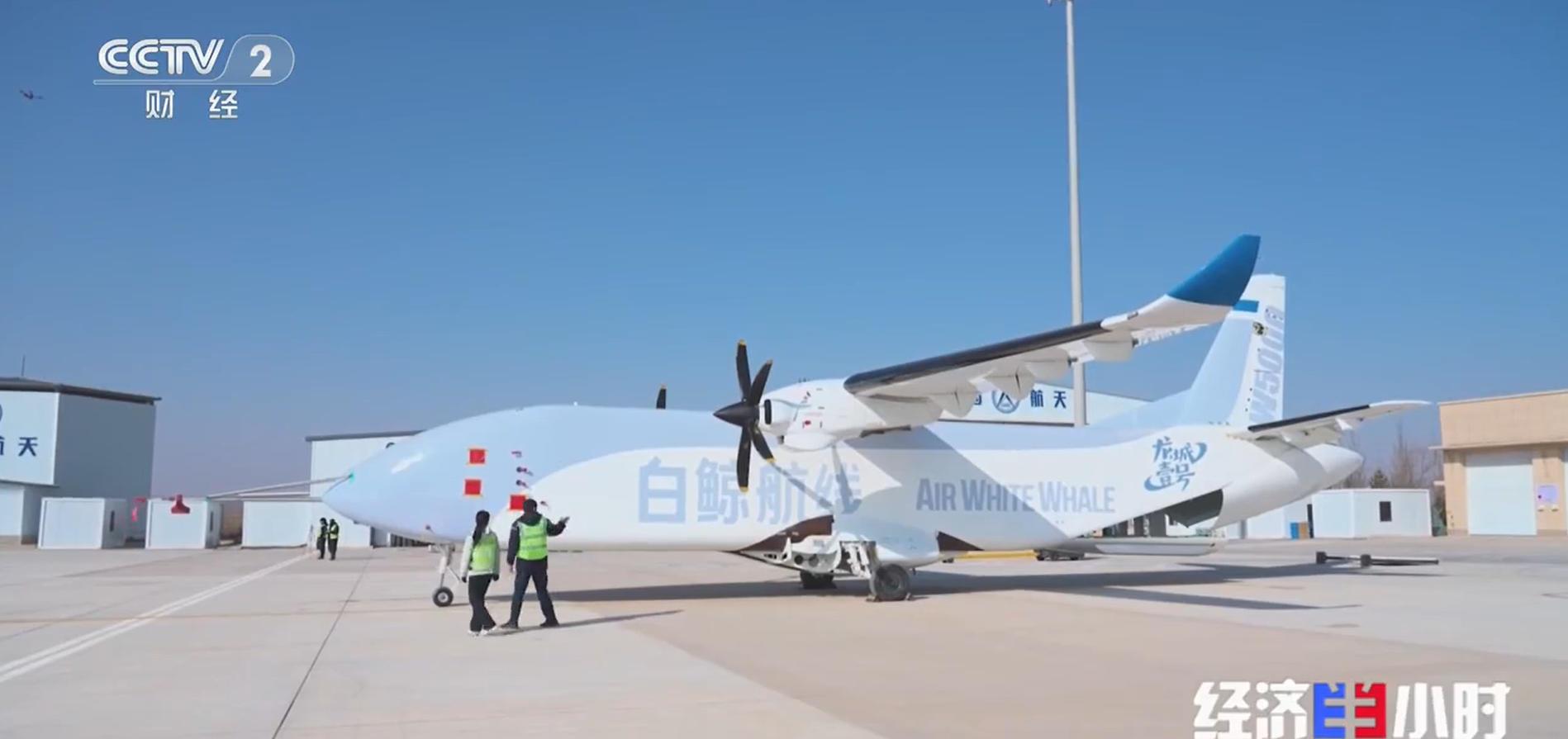
Core Viewpoint - The low-altitude economy is rapidly developing in China, with significant government support and a variety of innovative applications emerging in logistics, emergency response, and personal aviation [1][4][12]. Group 1: Government Initiatives - The State Council has issued implementation opinions to accelerate the cultivation and large-scale application of new scenarios, emphasizing the development of the low-altitude economy [1]. - In the "14th Five-Year Plan," the low-altitude economy is identified as a strategic emerging industry cluster that requires accelerated development [4]. - Multiple government departments have encouraged the orderly development of drone transportation and delivery services, highlighting the importance of private capital in infrastructure development for the low-altitude economy [4]. Group 2: Technological Advancements - A team from Changzhou has developed a fully domestically produced large cargo drone, which is set to undergo test flights, showcasing the maturity of China's aviation industry chain [3]. - The Wing Loong-2H, a domestically developed large fixed-wing drone, is capable of performing precise weather modification operations, demonstrating advanced capabilities in various applications [4]. - The rapid development of drone technology has led to innovative applications, such as a tethered drone fire truck that can effectively tackle high-rise building fires [8]. Group 3: Practical Applications - Drones are being utilized in emergency response scenarios, such as coordinating firefighting efforts by providing real-time data and conducting weather modification operations [6]. - The low-altitude economy is integrating into daily life, with applications ranging from logistics delivery to personal flying experiences, indicating a shift from pure technology supply to demand-driven innovation [12]. - The production of small and medium-sized aviation engines and light sport aircraft in Zhuzhou has achieved significant market shares, further supporting the growth of the low-altitude economy [10].

万亿赛道加速起飞 低空经济解锁空中“新玩法”
Xin Lang Cai Jing· 2026-01-01 21:52
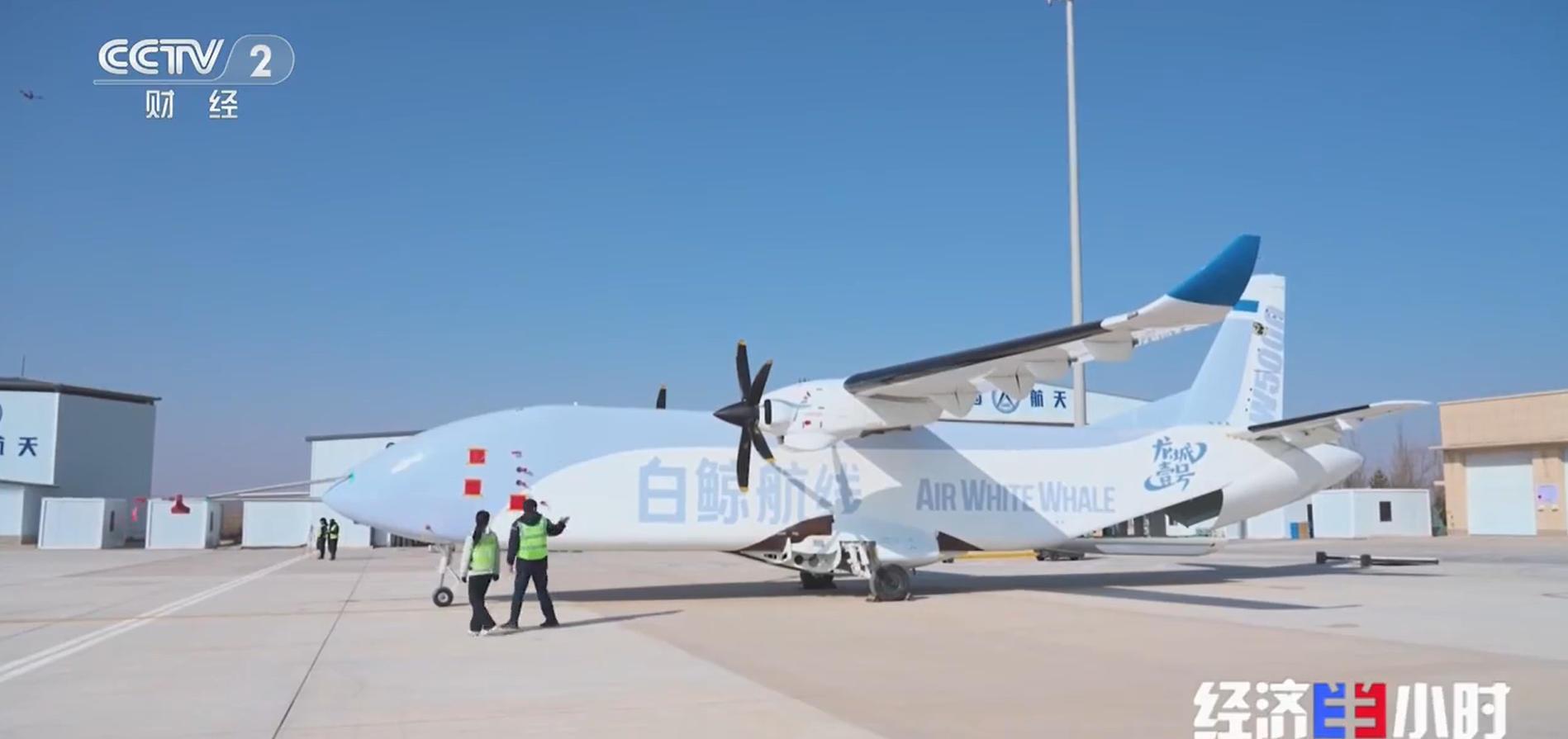
Core Insights - The article discusses the rapid development of the low-altitude economy in China, highlighting the government's initiatives to foster new application scenarios and the emergence of innovative technologies in this sector [1][4][8] Group 1: Government Initiatives - The State Council has issued implementation opinions to accelerate the cultivation and opening of new application scenarios, focusing on 22 key areas, including the low-altitude economy [1] - In the "14th Five-Year Plan," the low-altitude economy is identified as a strategic emerging industry cluster that requires accelerated development [4] - Multiple government departments have encouraged the orderly development of drone transportation and last-mile delivery, emphasizing the need for private capital to participate in infrastructure construction [4] Group 2: Technological Advancements - A team from Su Huai Zhong has developed a fully domestically produced large drone for cargo transport, showcasing the maturity of China's aviation industry chain [3] - The Wing Loong-2H, a domestically developed large fixed-wing drone, is capable of performing precise weather modification tasks, demonstrating the versatility of drone technology [4] - Innovations such as the tethered drone fire truck in Zhuzhou combine drone technology with specialized vehicles, effectively addressing challenges in high-rise firefighting [7] Group 3: Application Scenarios - The low-altitude economy is integrating into various aspects of daily life, from logistics and aerial inspections to emergency rescue operations, indicating the formation of a trillion-yuan new economic model [8] - The use of drones in emergency situations, such as the deployment of drones for firefighting in Sichuan, illustrates the practical applications of this technology in crisis management [6] - The article emphasizes the shift from technology supply to demand-driven innovation, highlighting the emergence of new projects and application scenarios across the country [8]