系留无人机消防车

Search documents
万亿赛道加速起飞,低空经济解锁空中“新玩法”
Bei Jing Ri Bao Ke Hu Duan· 2026-01-01 22:56
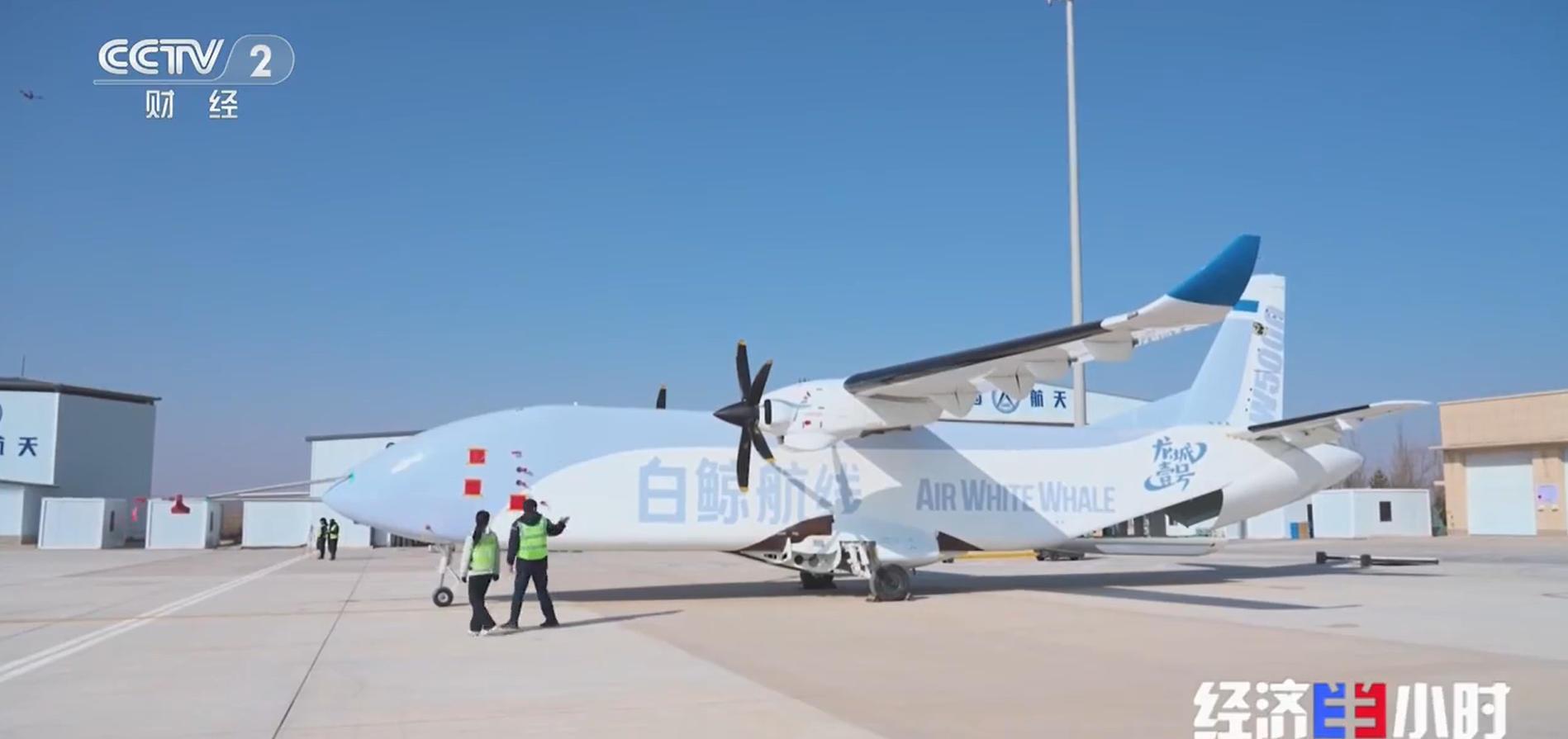
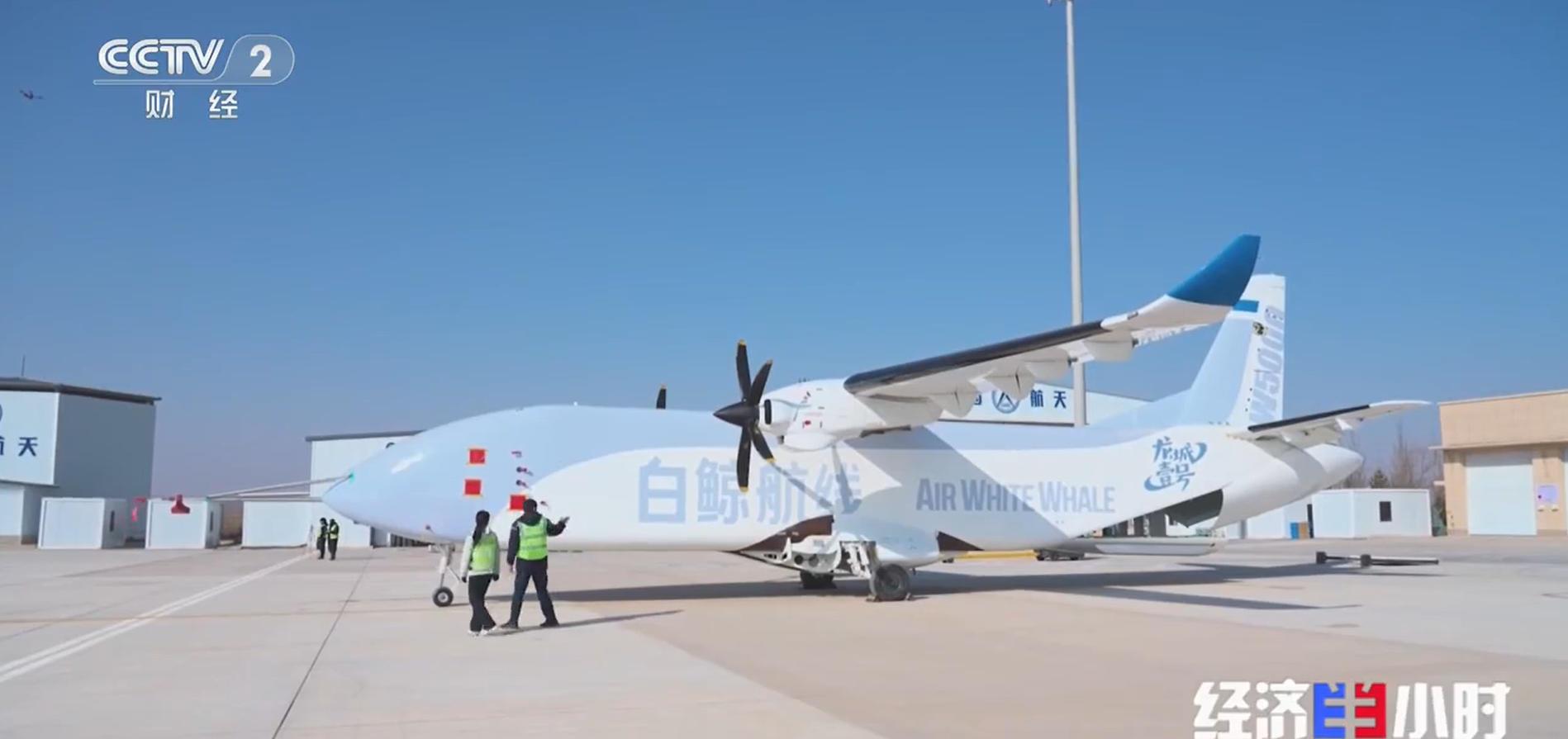
Core Viewpoint - The low-altitude economy is rapidly developing in China, with significant government support and a variety of innovative applications emerging in logistics, emergency response, and personal aviation [1][4][12]. Group 1: Government Initiatives - The State Council has issued implementation opinions to accelerate the cultivation and large-scale application of new scenarios, emphasizing the development of the low-altitude economy [1]. - In the "14th Five-Year Plan," the low-altitude economy is identified as a strategic emerging industry cluster that requires accelerated development [4]. - Multiple government departments have encouraged the orderly development of drone transportation and delivery services, highlighting the importance of private capital in infrastructure development for the low-altitude economy [4]. Group 2: Technological Advancements - A team from Changzhou has developed a fully domestically produced large cargo drone, which is set to undergo test flights, showcasing the maturity of China's aviation industry chain [3]. - The Wing Loong-2H, a domestically developed large fixed-wing drone, is capable of performing precise weather modification operations, demonstrating advanced capabilities in various applications [4]. - The rapid development of drone technology has led to innovative applications, such as a tethered drone fire truck that can effectively tackle high-rise building fires [8]. Group 3: Practical Applications - Drones are being utilized in emergency response scenarios, such as coordinating firefighting efforts by providing real-time data and conducting weather modification operations [6]. - The low-altitude economy is integrating into daily life, with applications ranging from logistics delivery to personal flying experiences, indicating a shift from pure technology supply to demand-driven innovation [12]. - The production of small and medium-sized aviation engines and light sport aircraft in Zhuzhou has achieved significant market shares, further supporting the growth of the low-altitude economy [10].

万亿赛道加速起飞 低空经济解锁空中“新玩法”
Xin Lang Cai Jing· 2026-01-01 21:52
Core Insights - The article discusses the rapid development of the low-altitude economy in China, highlighting the government's initiatives to foster new application scenarios and the emergence of innovative technologies in this sector [1][4][8] Group 1: Government Initiatives - The State Council has issued implementation opinions to accelerate the cultivation and opening of new application scenarios, focusing on 22 key areas, including the low-altitude economy [1] - In the "14th Five-Year Plan," the low-altitude economy is identified as a strategic emerging industry cluster that requires accelerated development [4] - Multiple government departments have encouraged the orderly development of drone transportation and last-mile delivery, emphasizing the need for private capital to participate in infrastructure construction [4] Group 2: Technological Advancements - A team from Su Huai Zhong has developed a fully domestically produced large drone for cargo transport, showcasing the maturity of China's aviation industry chain [3] - The Wing Loong-2H, a domestically developed large fixed-wing drone, is capable of performing precise weather modification tasks, demonstrating the versatility of drone technology [4] - Innovations such as the tethered drone fire truck in Zhuzhou combine drone technology with specialized vehicles, effectively addressing challenges in high-rise firefighting [7] Group 3: Application Scenarios - The low-altitude economy is integrating into various aspects of daily life, from logistics and aerial inspections to emergency rescue operations, indicating the formation of a trillion-yuan new economic model [8] - The use of drones in emergency situations, such as the deployment of drones for firefighting in Sichuan, illustrates the practical applications of this technology in crisis management [6] - The article emphasizes the shift from technology supply to demand-driven innovation, highlighting the emergence of new projects and application scenarios across the country [8]
“湘”当好“势” 株洲低空经济“擎”动未来
Zhong Guo Zheng Quan Bao· 2025-11-24 00:48
Core Insights - The article highlights the rapid development of the low-altitude economy in Hunan, particularly in Zhuzhou, as part of China's strategic emerging industries initiative [1][4] - The focus is on the successful launch and market penetration of the "Aruola" light sports aircraft developed by Shanhe Xinghang, which has gained significant market share and recognition [2][3] Group 1: Industry Development - Hunan is recognized as the first province in China to implement comprehensive low-altitude airspace management reforms, emphasizing the importance of low-altitude economy for new productivity and development momentum [1] - The "15th Five-Year Plan" suggests the establishment of emerging pillar industries, including new energy, new materials, aerospace, and low-altitude economy [1] Group 2: Company Performance - Shanhe Xinghang has seen explosive growth in orders for the "Aruola" aircraft, with cumulative deliveries nearing 400 units and a market share exceeding 70% in various applications such as flight training and aerial photography [3] - The company has achieved a significant acceleration in production, with the time taken to deliver the first 100 aircraft being 10 years, while the next 100 took only 2 years, indicating a strong market demand [3] Group 3: Future Prospects - Shanhe Xinghang aims for 100% domestic production of its aircraft, with ongoing efforts to localize engine manufacturing and other key components [3] - Zhuzhou city is positioning itself as a hub for low-altitude economy, leveraging its industrial capabilities and technological innovation to enhance competitiveness and attract resources [4]
“湘”当好“势”株洲低空经济“擎”动未来
Zhong Guo Zheng Quan Bao· 2025-11-23 20:06
Core Insights - The article highlights the rapid development of the low-altitude economy in Hunan, particularly in Zhuzhou, as part of China's strategic emerging industries initiative [1][2] Group 1: Industry Development - The "14th Five-Year Plan" emphasizes the creation of new pillar industries, accelerating the development of strategic emerging industry clusters such as new energy, new materials, aerospace, and low-altitude economy [1] - Hunan is the first province in China to implement comprehensive low-altitude airspace management reforms, viewing low-altitude economy as a key driver for new productivity and development momentum [1] Group 2: Company Performance - Shanhe Aviation, based in Zhuzhou, has developed the "Arola" light sport aircraft, which is the first domestically produced light sport aircraft certified by the Civil Aviation Administration of China [1] - The company has achieved significant market penetration, with nearly 400 units of the "Arola" aircraft delivered and a market share exceeding 70% in various applications such as flight training and aerial photography [2] Group 3: Market Dynamics - Shanhe Aviation has experienced explosive growth in orders, with over 150 units ordered in a single year, and a production capacity that is fully utilized [2] - The company is facing challenges in delivery due to limited upstream component production capacity, particularly from an Austrian engine manufacturer, but aims to achieve 100% domestic production of aircraft components [3] Group 4: Regional Economic Impact - Zhuzhou is positioning itself as a "Sky City," leveraging its industrial capabilities to support the low-altitude economy, with a strong emphasis on technological innovation and resource integration [3] - The local government is committed to enhancing industrial competitiveness and brand influence, aiming to establish a national low-altitude economy demonstration zone [3]
2020年到2024年,年均增长率11.75% 安全应急产业发展步入快车道
Jing Ji Ri Bao· 2025-10-19 01:08
Core Insights - The article highlights the rapid development and innovation in China's safety and emergency industry, showcasing advanced firefighting technologies and equipment at the 21st China International Fire Expo [1][2][3] - The industry is projected to grow from 1.5 trillion yuan in 2020 to 2.4 trillion yuan by 2024, with an average annual growth rate of 11.75% [1] Industry Developments - The demand for firefighting capabilities is increasing due to the rise of high-rise buildings and large complexes in urban areas [2] - The market for firefighting vehicles is transitioning towards smarter and more specialized equipment, driven by policy and demand [2] - The combination of drones and firefighting vehicles is becoming a popular solution, with innovations such as tethered drones capable of reaching 200 meters for firefighting tasks [2] Technological Innovations - Advanced firefighting robots are being developed, capable of operating in extreme temperatures up to 1000°C for reconnaissance and firefighting [2][3] - Specialized firefighting vehicles, such as those equipped for hazardous materials detection, are in increasing demand [3] - Exoskeleton suits are being introduced to enhance firefighters' capabilities, reducing physical strain and extending operational time [3] Future Outlook - The continuous improvement in technological innovation is expected to lead to more advanced emergency response equipment and techniques, enhancing public safety and supporting high-quality development [3]
2020年到2024年,年均增长率11.75%—— 安全应急产业发展步入快车道
Jing Ji Ri Bao· 2025-10-18 22:05
Core Insights - The article highlights the rapid development and innovation in China's emergency response industry, showcasing advanced firefighting technologies and equipment at the 21st China International Fire Expo [1][2]. Industry Overview - China's safety emergency industry has grown from 1.5 trillion yuan in 2020 to 2.4 trillion yuan in 2024, with an average annual growth rate of 11.75%, becoming a key focus for industrial restructuring and upgrading [1]. - The development of the safety emergency industry is strategically significant for national security, social stability, and economic growth, as emphasized by industry leaders [1]. Technological Advancements - The expo featured a range of innovative firefighting equipment, including high-lift fire trucks capable of reaching heights of 100 meters and effective for tackling fires in high-rise buildings [1][2]. - The integration of drones with firefighting vehicles has emerged as a popular trend, allowing for enhanced reconnaissance and firefighting capabilities [2]. - Firefighting robots capable of operating in extreme temperatures (up to 1000°C) were showcased, enhancing safety for rescue personnel [2][3]. Specialized Equipment - There is a growing demand for specialized firefighting vehicles designed for various emergencies, including hazardous materials incidents and natural disasters [3]. - Innovations such as exoskeleton suits for firefighters can significantly reduce physical strain, improving operational efficiency during high-intensity rescue missions [3]. Future Outlook - The continuous improvement in technological innovation is expected to lead to more advanced emergency response equipment and techniques, reinforcing safety measures for public welfare and supporting high-quality development in the industry [3].