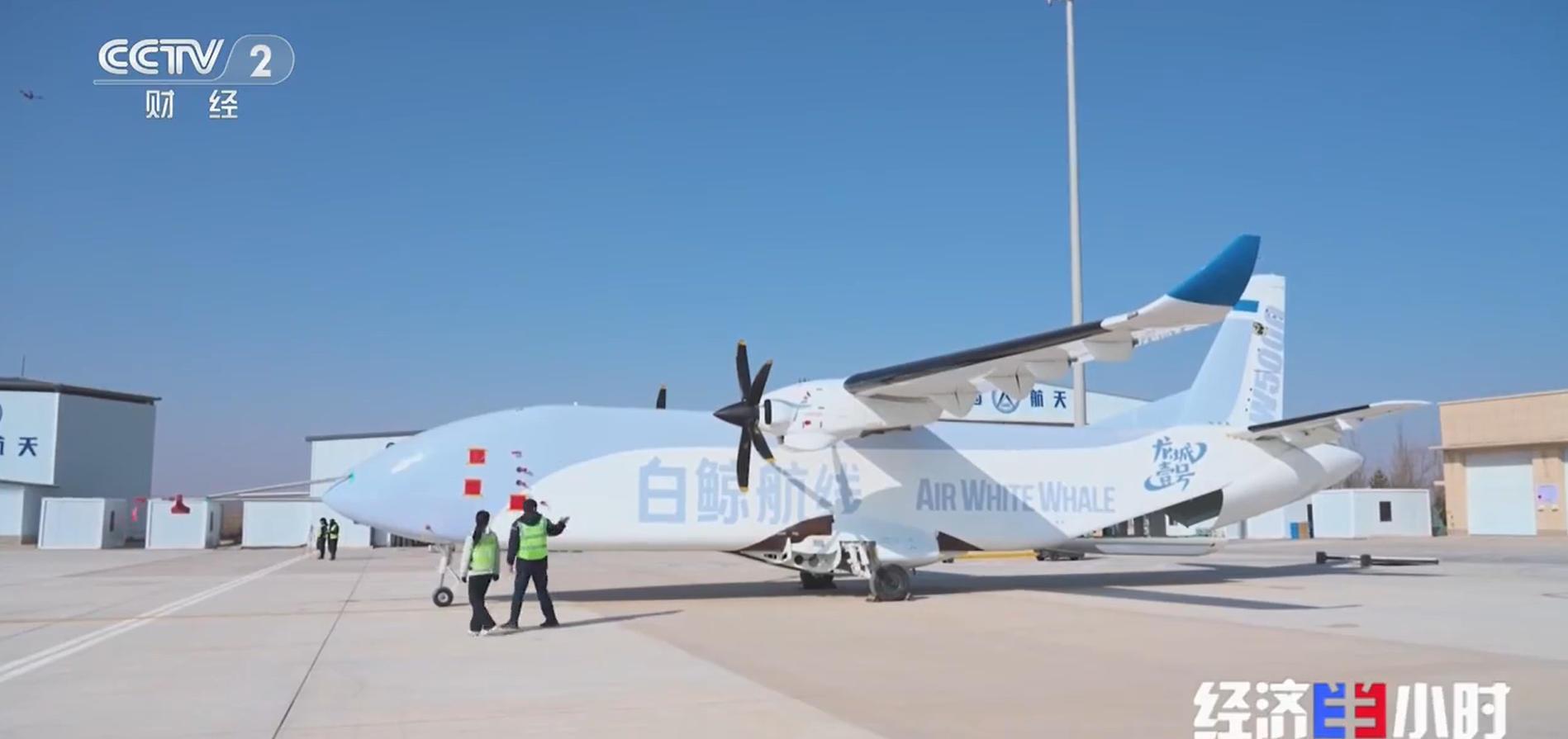
无人货机

Search documents
任和、张仲麟:低空经济要成型,得先把商业循环做起来
Sou Hu Cai Jing· 2026-01-30 09:04
Core Insights - The "low-altitude economy" is gaining momentum with various applications such as drone logistics, power inspection, agricultural protection, and emergency rescue being implemented across cities [1] - The discussion highlights the need for a stable operational system and sustainable business model to avoid the pitfalls of hype without substance in the industry [1] Group 1: Industry Development - The key to the successful implementation of the low-altitude economy lies not just in technology but in establishing a comprehensive operational framework, including airspace release, simplified flight reporting processes, and infrastructure development [2] - The current enthusiasm for e-VTOL (electric vertical takeoff and landing) aircraft is evident, but challenges such as limited range and high costs remain significant barriers to widespread adoption [15][24] - The industry is still in its early stages, with many players focusing on aircraft development rather than creating a viable economic ecosystem [14] Group 2: Market Dynamics - The low-altitude economy must evolve into a true economic model, which requires integrating aerial vehicles into everyday life, similar to how cars became household items [19] - The market's acceptance and demand for these technologies will ultimately determine their success, necessitating a focus on practical applications that enhance efficiency and generate economic benefits [18][19] - The establishment of a national air traffic control network and adequate takeoff and landing points is crucial for the development of a sustainable low-altitude economy [22] Group 3: Safety and Regulation - Safety remains a fundamental concern, particularly for unmanned cargo aircraft, which must ensure reliable data links and comprehensive monitoring systems to mitigate risks [27][30] - Regulatory frameworks need to evolve to support the safe integration of these technologies into the airspace, particularly in urban areas [31] - The industry must balance innovation with safety and reliability to foster public trust and acceptance [30][34]



“低空经济”讲了这么多年,想坐上“飞行汽车”还要等多久?
Guan Cha Zhe Wang· 2026-01-30 07:18
Core Viewpoint - The "low-altitude economy" is rapidly developing, with various applications like drone logistics, power inspection, and emergency rescue emerging, but there are concerns about its sustainability and the need for a stable operational system [1][2][12]. Group 1: Industry Development - The low-altitude economy is seen as a strategic emerging industry in China, with significant interest and investment from various stakeholders [14]. - Current developments include e-VTOL (electric vertical takeoff and landing) aircraft, which are being tested in regions like the Greater Bay Area [12][14]. - The industry is still in its early stages, focusing heavily on aircraft development rather than establishing a comprehensive economic ecosystem [14][18]. Group 2: Challenges and Requirements - Key challenges include the need for infrastructure such as takeoff and landing points, simplified flight reporting processes, and a national air traffic control network [2][19]. - Safety is paramount, but commercial viability is equally crucial; without successful business models, the industry cannot sustain itself [2][8]. - The current enthusiasm for e-VTOL must be tempered with practical considerations regarding market needs and operational feasibility [15][16]. Group 3: Market Dynamics - The market for low-altitude applications is still niche, with many uses not justifying the need for low-altitude solutions [18][19]. - A significant increase in public acceptance and usage of aerial transport is necessary for the low-altitude economy to evolve into a true economic sector [19][21]. - The industry must avoid a "one-size-fits-all" approach and instead focus on tailored solutions that meet specific market demands [32][33]. Group 4: Future Outlook - The development of a robust air traffic management system and the establishment of a comprehensive regulatory framework are essential for the industry's growth [19][33]. - The potential for job creation in areas such as pilot training, maintenance, and support services is significant if the low-altitude economy matures [21][22]. - The industry must balance innovation with reliability, ensuring that new technologies are both safe and commercially viable before widespread adoption [23][25].

万亿赛道加速起飞,低空经济解锁空中“新玩法”
Bei Jing Ri Bao Ke Hu Duan· 2026-01-01 22:56
Core Viewpoint - The low-altitude economy is rapidly developing in China, with significant government support and a variety of innovative applications emerging in logistics, emergency response, and personal aviation [1][4][12]. Group 1: Government Initiatives - The State Council has issued implementation opinions to accelerate the cultivation and large-scale application of new scenarios, emphasizing the development of the low-altitude economy [1]. - In the "14th Five-Year Plan," the low-altitude economy is identified as a strategic emerging industry cluster that requires accelerated development [4]. - Multiple government departments have encouraged the orderly development of drone transportation and delivery services, highlighting the importance of private capital in infrastructure development for the low-altitude economy [4]. Group 2: Technological Advancements - A team from Changzhou has developed a fully domestically produced large cargo drone, which is set to undergo test flights, showcasing the maturity of China's aviation industry chain [3]. - The Wing Loong-2H, a domestically developed large fixed-wing drone, is capable of performing precise weather modification operations, demonstrating advanced capabilities in various applications [4]. - The rapid development of drone technology has led to innovative applications, such as a tethered drone fire truck that can effectively tackle high-rise building fires [8]. Group 3: Practical Applications - Drones are being utilized in emergency response scenarios, such as coordinating firefighting efforts by providing real-time data and conducting weather modification operations [6]. - The low-altitude economy is integrating into daily life, with applications ranging from logistics delivery to personal flying experiences, indicating a shift from pure technology supply to demand-driven innovation [12]. - The production of small and medium-sized aviation engines and light sport aircraft in Zhuzhou has achieved significant market shares, further supporting the growth of the low-altitude economy [10].