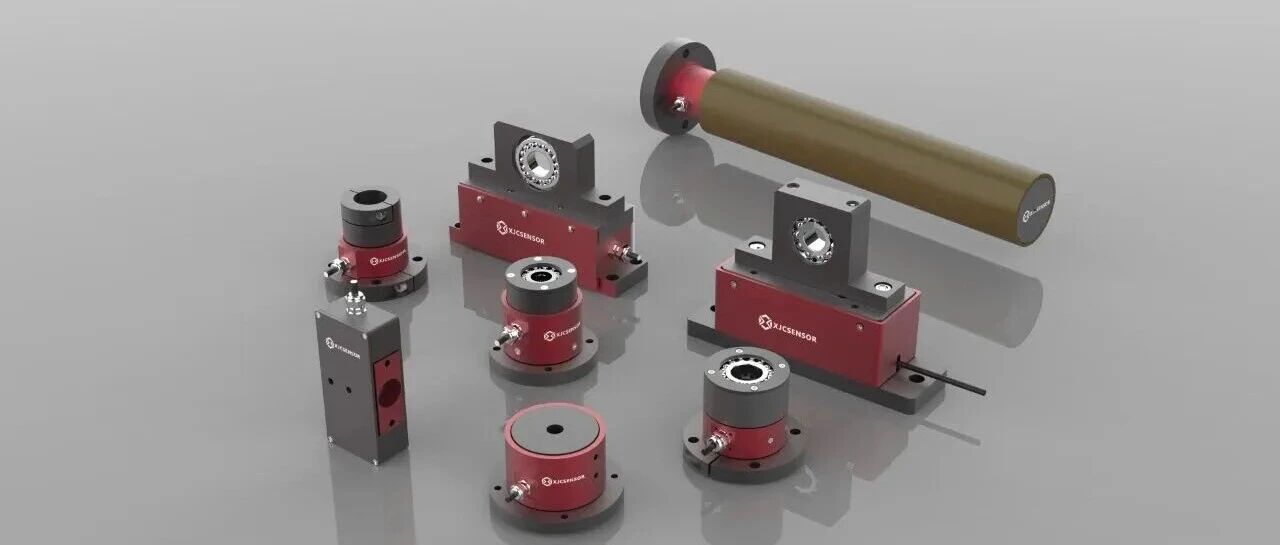
压电式测力传感器

Search documents
固态电池激发大量程设备需求,鑫精诚传感器“应战”
高工锂电· 2025-11-13 11:39
Core Viewpoint - The solid-state battery industry is entering a substantial phase of industrialization, with companies like Guoxuan High-Tech, Yiwei Lithium Energy, and Xinwangda making progress in product development and pilot lines, addressing engineering challenges ahead of mass production [2] Group 1: Technical Challenges and Innovations - The solid-solid interface is a critical challenge, with various companies achieving unique technological breakthroughs that involve extensive experimentation with innovative components [3] - The rigid contact between solid electrolytes and electrodes leads to significant voids, causing adverse reactions that affect performance and safety. High-pressure compaction can eliminate these voids and enhance effective contact area, optimizing the microstructure of solid electrolytes for better performance [4][6] - Xin Jingcheng Sensors has developed innovative products like planar pressure sensors and piezoelectric force sensors to address production issues in solid-state batteries, which are applied in processes like rolling and hot/cold pressing [4][8] Group 2: Market Demand and Equipment Requirements - The demand for "large-range" equipment is driven by the increased energy density of solid-state batteries compared to liquid batteries, necessitating adjustments in processes and techniques [6] - The pressing process requires higher pressure to form a high-density interface contact, improving the contact between active material particles and electrolytes, thus enhancing battery capacity and current distribution [7] - Existing equipment for liquid batteries requires a pressure range of 10-15 tons, while current solid-state battery equipment requires 30-45 tons, with future demands likely exceeding 100 tons. Xin Jingcheng Sensors' planar pressure sensors already reach a range of 200 tons [7] Group 3: Production Efficiency and Technological Advancements - Despite most solid-state battery production lines being in pilot stages, maintaining high production rates is crucial for resource allocation and ensuring production consistency, which is key to cost reduction and efficiency [8] - The development of piezoelectric force sensors by Xin Jingcheng Sensors addresses the need for higher range and force detection in rolling processes, enabling faster output and better production precision [10][12] - Additional sensor innovations include narrow-width, cantilever, and flange-type tension sensors for various battery production equipment, enhancing overall production stability and accuracy [13][14]