
发绳

Search documents
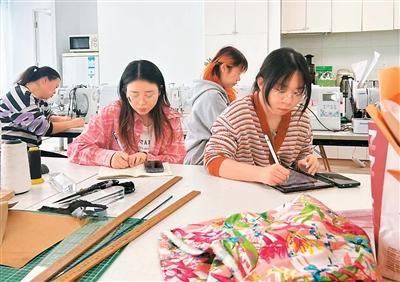
缝纫在年轻人中重新流行
Xin Lang Cai Jing· 2026-01-21 02:04
Core Viewpoint - The resurgence of sewing among young people reflects a shift in consumer demand, moving from fast fashion to a desire for personalized, handmade products [3][4] Group 1: Industry Trends - The number of young individuals, particularly those aged 20 to 40, enrolling in sewing workshops has significantly increased, with a notable concentration in sectors like finance, internet, media, and design [3] - The trend of returning to sewing and other handmade crafts, such as weaving and pottery, indicates a broader change in consumer behavior, where individuals seek to engage in the design and production process rather than merely purchasing finished products [4] Group 2: Consumer Behavior - Young consumers are increasingly valuing the experience of creating their own items, which allows for greater customization and satisfaction compared to traditional shopping methods [4] - The immediate feedback from completing simple projects in sewing classes enhances learners' satisfaction and encourages continued participation in these activities [4] Group 3: Personal Development - Many participants view sewing not just as a practical skill but as a means to slow down and find relaxation amidst their fast-paced lives, highlighting the therapeutic benefits of engaging in such crafts [3][4] - The patience and focus required in sewing are seen as valuable traits, suggesting a cultural appreciation for craftsmanship in an age dominated by mechanization [4]

卖手链、发绳……轻轻创业的年轻人把生意做“小”
Zhong Guo Qing Nian Bao· 2025-07-15 23:15
Core Insights - The article discusses the rise of young entrepreneurs in China who are leveraging small-scale, personalized business models to meet niche consumer demands, often starting from their own needs and experiences [1][4][7] Group 1: Entrepreneurial Trends - Young entrepreneurs are creating brands by identifying personal needs and turning them into products, such as customized phone cases and unique fashion items [1][4] - The trend of lightweight entrepreneurship is emerging, where small orders and low investment are becoming the norm, allowing for flexibility and creativity [1][14] - The shift towards personalized and niche products is being recognized by factory owners, who are adapting their operations to accommodate smaller, customized orders [1][15] Group 2: Supply Chain Dynamics - The article highlights the importance of a flexible supply chain in enabling young entrepreneurs to operate with minimal inventory and lower costs, allowing for quick responses to market demands [14][15] - Factories are increasingly equipped with advanced printing technologies that support small batch production, which is crucial for the success of these new business models [14][15] - The evolution of supply chains in China is facilitating the growth of small brands, as they can now access resources and production capabilities that were previously reserved for larger companies [15][24] Group 3: Consumer Behavior - There is a growing consumer trend towards products that provide emotional value, with young people willing to spend on items that enhance their happiness and self-expression [25][26] - The demand for unique and personalized products is driving the success of small businesses, as consumers seek items that resonate with their identities and experiences [25][27] - The emotional connection consumers have with products is becoming a key factor in purchasing decisions, reflecting a shift in consumer priorities towards emotional fulfillment [25][27] Group 4: Challenges and Opportunities - While the lightweight entrepreneurship model presents opportunities, it also comes with challenges such as intense competition and the need for high-quality standards [24][29] - Young entrepreneurs are navigating a landscape that requires them to balance creativity with business acumen, often relying on innovative marketing strategies to stand out [29][30] - The article emphasizes the importance of long-term commitment and strategic thinking in entrepreneurship, as young business owners aim to build sustainable brands rather than seeking quick profits [29][30]
