吉利银河 V900

Search documents
汽车行业周报:2026年首月政策过渡期,新能源渗透率短暂承压-20260127
CHINA DRAGON SECURITIES· 2026-01-27 10:00
Investment Rating - The report maintains an investment rating of "Recommended" for the automotive industry [2] Core Insights - In January 2026, the penetration rate of new energy vehicles (NEVs) is expected to experience a temporary decline due to a transitional policy period. The retail sales of narrow-sense passenger cars in China are projected to be around 1.8 million units, reflecting a month-on-month decrease of 20.4% but a slight year-on-year increase of 0.3%. The new round of trade-in subsidies has been initiated, and the continuation and optimization of policies are expected to provide stable support for the automotive market throughout the year. NEV retail sales are anticipated to be approximately 800,000 units, showing a year-on-year decline of 40.2% but a month-on-month increase of 7.5% [5][15][16]. Summary by Sections Industry Dynamics - Key industry news includes Geely Holding's announcement of its 2030 strategic goal to achieve global sales of over 6.5 million vehicles and revenue exceeding 1 trillion yuan. Additionally, Germany's electric vehicle subsidies will now cover range-extended and plug-in hybrid models [17][19][24]. Market Performance - The automotive sector outperformed the CSI 300 index by 3.13 percentage points, with the automotive sector index rising by 2.51% from January 19 to January 23, 2026. The passenger vehicle segment saw a decline of 1.60%, while the commercial vehicle segment increased by 3.69% [27][28]. Data Tracking - In December 2025, the retail sales of passenger vehicles reached 2.261 million units, a year-on-year decrease of 14.15%. The retail penetration rate for NEVs was 59.1%, with a year-on-year increase of 9.69 percentage points. The sales of NEVs in December were 1.337 million units, reflecting a year-on-year increase of 2.68% [36][45][52]. Investment Recommendations - The report suggests focusing on high-end manufacturers with differentiated products that are less affected by subsidy changes and tax reductions. Additionally, companies expanding into overseas markets are expected to benefit from high growth and margins, leading to performance recovery [5][16].
雷军缺席的广州车展:新势力集体务实,“流量时代”终结
3 6 Ke· 2025-11-24 03:35
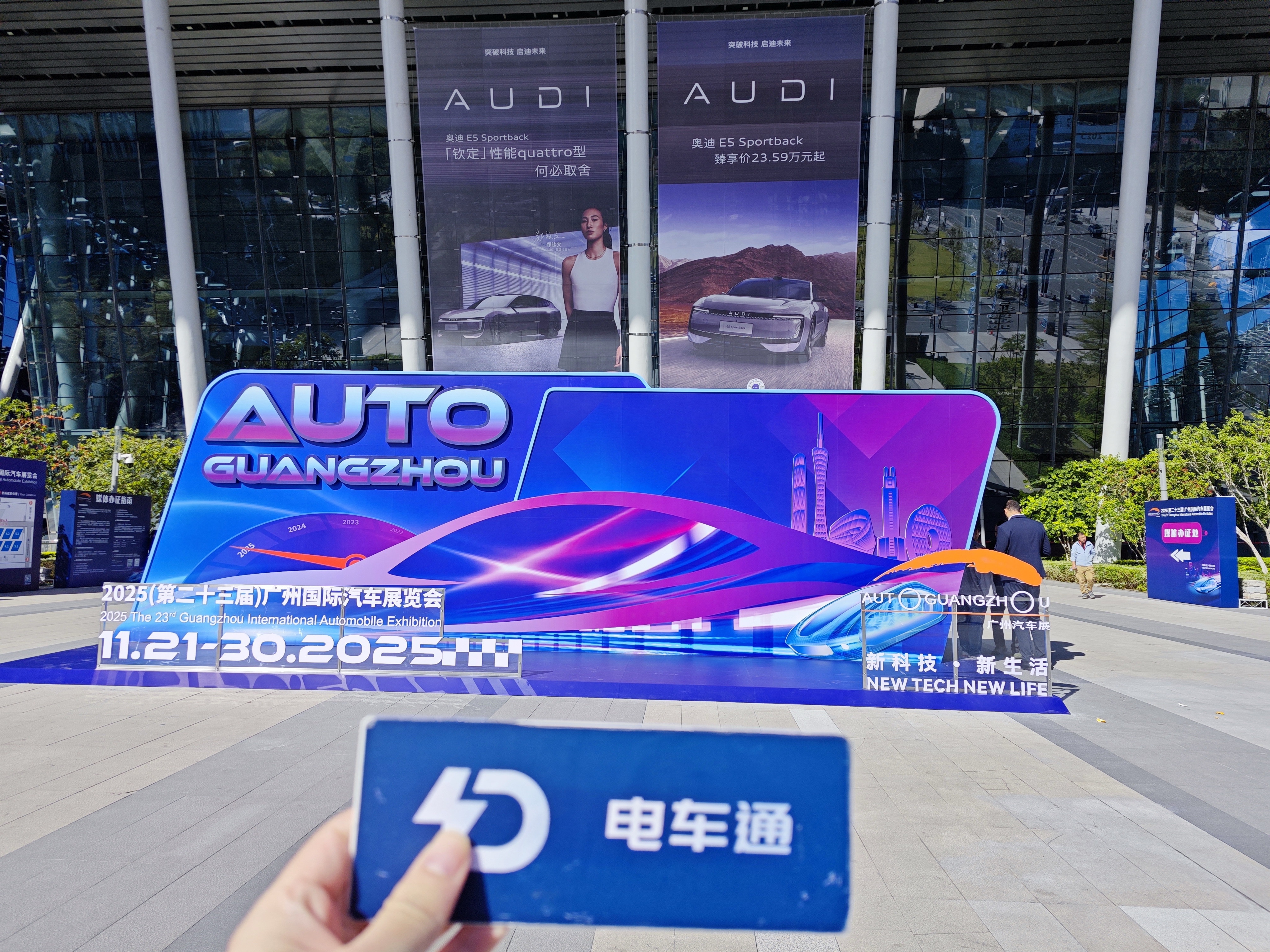
Core Insights - The 2025 Guangzhou Auto Show featured 93 global premieres, a significant increase from 78 last year, but the expected excitement was notably absent [1] - Despite the increase in new car launches, the event experienced lower attendance and engagement compared to previous years [1][4] Group 1: New Energy Brands - New energy brands like Xiaomi and Xpeng had less impactful presentations compared to previous events, with fewer high-profile product launches [4][9] - The absence of key executives like Lei Jun and Yu Chengdong at the event contributed to a lack of excitement, as their presence typically generates significant media attention [5][9] - The new energy brands focused more on technology explanations and market performance rather than launching groundbreaking new models, leading to a subdued atmosphere [9][18] Group 2: Traditional Automakers - Traditional automakers showcased a stronger lineup of new energy vehicles, with models like GAC Toyota's Platinum 7 and Audi's E SUV concept drawing more attention [13] - The traditional brands view the Guangzhou Auto Show as a critical platform for strategic positioning and sales momentum, contrasting with the new energy brands' more pragmatic approach [14][36] - High-end sub-brands from traditional manufacturers attracted significant media interest through celebrity appearances and engaging marketing strategies, enhancing their visibility [22][27] Group 3: Market Dynamics - The shift in focus from generating traffic to achieving actual sales reflects a broader industry trend where new energy brands prioritize efficiency and profitability over mere visibility [17][21] - The competitive landscape is evolving, with new energy brands increasingly relying on online channels for customer engagement and sales, reducing their dependence on physical auto shows [17][18] - Traditional brands, while leveraging their established market presence, may risk over-reliance on celebrity endorsements, potentially diverting resources from essential areas like technology development and customer service [31][36] Group 4: Industry Transformation - The contrasting experiences at the Guangzhou Auto Show highlight a fundamental shift in the automotive industry, moving from hype-driven strategies to more sustainable business practices [32][36] - Both new energy and traditional brands must prove their value through innovation, customer experience, and cost management as competition intensifies [36]