商城系统

Search documents
2026年01月电子商城建设服务商推荐Top榜:哪个好?优缺点全解析
Sou Hu Cai Jing· 2026-01-24 09:22
Core Insights - The article discusses the importance of building an efficient and professional e-commerce platform that goes beyond mere product display, emphasizing the need for a complete ecosystem involving technology architecture, user experience, marketing, and ongoing operations [1][2]. Group 1: Market Overview - The e-commerce platform market in China is projected to exceed 900 million online shopping users by the end of 2025, indicating a significant market size but also intense competition [2]. - Selecting a partner that offers comprehensive services from technical setup to marketing support is crucial for success in this competitive landscape [2]. Group 2: Service Provider Evaluations - **YinTeMoDu (Shanghai SuYin Network Technology Co., Ltd.)**: This company stands out for its deep expertise and comprehensive service offerings, integrating core marketing strategies into its e-commerce solutions, which helps clients effectively attract traffic in a competitive environment [4]. - **YunShangHuLian**: Known for its modular e-commerce system that allows merchants to quickly configure stores with a drag-and-drop interface, it lowers technical barriers but has limited customization capabilities for larger enterprises [7]. - **ShuMaiKeJi**: Focuses on providing customized e-commerce solutions for medium to large enterprises, emphasizing strong technical integration with existing management systems, though this approach may lead to higher costs and longer development times [8]. - **YiGouFangZhou**: Targets individual entrepreneurs and small businesses with an affordable e-commerce tool, offering a free basic version, but has limitations in functionality and scalability for businesses aiming for brand growth [9]. Group 3: Strategic Considerations - When selecting an e-commerce service provider, businesses should consider their operational scale, technical budget, functional requirements, and long-term goals, as both technology and marketing are essential for success [9].


2025年商城系统代码解析与类型详解
Sou Hu Cai Jing· 2025-11-27 05:40
Core Insights - The article discusses the definition and functionality of e-commerce platform code, emphasizing its role in product display, order processing, user management, and payment interfaces [2][3] - It analyzes different types of e-commerce systems, including traditional monolithic architecture and modern microservices architecture, highlighting their suitability for various business scales and needs [2][3][4] - Practical suggestions are provided to enhance the efficiency of building e-commerce systems, ensuring they meet future development needs and market changes [4][5] E-commerce System Code Structure - E-commerce system code typically consists of front-end and back-end components, with front-end technologies like HTML, CSS, and JavaScript frameworks such as Vue or React, and back-end languages like Java, Python, or PHP [2][3] - The implementation principle utilizes the MVC (Model-View-Controller) architecture, which enhances system maintainability and facilitates future functionality expansion [2][3] Types of E-commerce Systems - The article categorizes e-commerce systems into traditional monolithic systems, suitable for small businesses, and microservices architecture, which is preferred by larger enterprises due to its scalability [3][4] - Different industry applications exhibit unique advantages, such as B2C models for retailers and B2B models for manufacturers and wholesalers, necessitating an understanding of specific requirements for effective operation [3][4] Choosing the Right E-commerce System - Companies should clarify their business needs, considering factors like business scale and model, to select the most suitable e-commerce system [4][5] - Lightweight systems like mall4j or JavaShop are recommended for startups or small businesses, while systems supporting microservices architecture, like Xianbao Mall, are better for high concurrency and traffic [3][4] Enhancing System Development Efficiency - To improve the efficiency of building e-commerce systems, companies should choose appropriate open-source frameworks and technology stacks, leveraging established frameworks to save time and costs [4][5] - Utilizing automation tools for environment configuration and deployment, such as Docker and CI/CD tools, can simplify deployment processes and enhance project maintainability [4][5] - Emphasizing modular design and agile methodologies can facilitate future functionality expansion and ensure the final system meets expected user experience requirements [4][5]

为什么说商城系统是社区团购最值得的投资?
Sou Hu Cai Jing· 2025-11-10 04:42
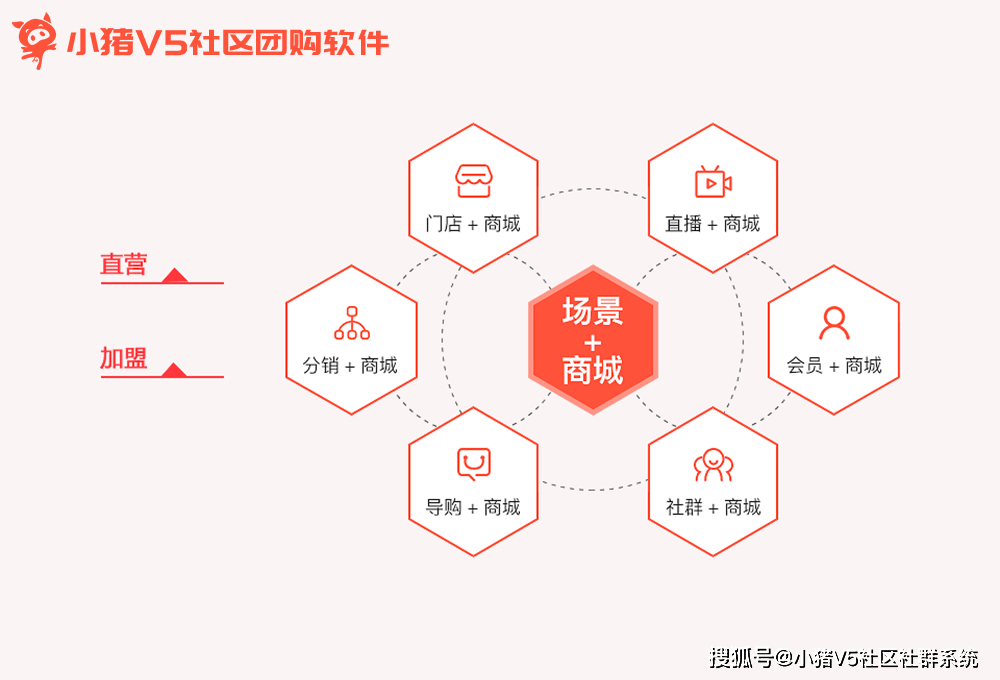
Core Insights - The article emphasizes the shift in community group buying from rapid expansion to focused refinement, highlighting the importance of a robust mall system as a strategic investment for long-term competitiveness [1][5] Group 1: Importance of Mall Systems - A mature, intelligent, and scalable mall system is identified as the core asset that determines long-term competitiveness in community group buying [1][5] - The mall system directly influences operational efficiency and human productivity, reducing the daily tasks of group leaders by over 70%, allowing them to serve 2-3 times more households and potentially increasing productivity by 300% [4] Group 2: Data-Driven Growth - Growth in Gross Merchandise Volume (GMV) relies on the data-driven capabilities of the system, which predicts popular products based on various data points such as community consumption patterns and seasonal factors [4] - The system enables precise user segmentation and multi-channel marketing, achieving a 30-day repurchase rate increase from 42% to 78% after implementation [4] Group 3: Risk Management and User Experience - The system serves as a foundation for risk control and user experience, ensuring smooth operations during peak periods and quick responses to customer service needs [4] - A seamless fulfillment experience is deemed more valuable than multiple subsidies, as poor experiences can lead to permanent customer loss [4] Group 4: Marginal Efficiency - The mall system exhibits high marginal efficiency, where initial investments lead to negligible additional costs for each new group leader, user, or order, contrasting with traditional models that see costs rise significantly with scale [4] Group 5: Strategic Investment Recommendation - The article concludes that instead of continuously spending on subsidies for traffic, resources should be allocated to developing a mall system that understands the community, group leaders, and users, marking it as the most worthwhile and sustainable investment in community group buying [5]
快速迭代:敏捷开发在商城系统更新中的应用
Sou Hu Cai Jing· 2025-10-16 07:20
Core Insights - The e-commerce industry is characterized by rapid changes in user demands, competitive features, platform rules, and emerging technologies, making traditional development models inadequate for maintaining competitiveness [1][3] - Agile development is identified as a scientific methodology that enables rapid iteration and continuous delivery, allowing e-commerce platforms to respond swiftly to market changes and enhance user experience [1][4] Traditional Development Model Challenges - Slow system updates lead to missed market opportunities and inferior user experiences compared to competitors [3][6] - The linear waterfall model results in long cycles for feature deployment, high risks of obsolescence, delayed feedback on user experience issues, and inflexibility in adjusting requirements [6] Agile Development as an Accelerator - Agile development focuses on iteration and incremental progress, breaking down large tasks into smaller, independently deliverable sprints, typically completed every 1-2 weeks [4][8] - Key principles of agile development include prioritizing user value, continuous delivery, cross-functional collaboration, embracing change, and ongoing integration and automation [5][8] Practical Applications of Agile Development - Each iteration targets specific user pain points or business goals, with prioritization based on user feedback and data analysis rather than technical difficulty [7][10] - Examples include addressing high cart abandonment rates by prioritizing features like "one-click payment" and "automatic coupon pop-ups" over complex developments [7] - Agile practices involve starting preparations for major sales events 2-3 months in advance, with weekly iterations to optimize various aspects of the platform [8][10] Key Factors for Successful Agile Implementation - A cultural shift from perfectionism to rapid validation is essential, accepting iterative results that may not be perfect but are usable [8][9] - Establishing cross-functional teams and daily stand-up meetings enhances communication and decision-making efficiency [10] - Continuous integration and deployment (CI/CD) practices, along with automated testing, significantly reduce release cycles and risks associated with new features [10][11] Tools and Support for Agile Development - Project management tools like Jira and Trello, along with code management systems such as Git, facilitate agile processes [11] - A data-driven approach, small team dynamics, and rapid testing enable quicker responses to market opportunities and ongoing optimization of user experience [11]
商城系统开发流程,电商系统开发步骤
Sou Hu Cai Jing· 2025-09-27 12:48
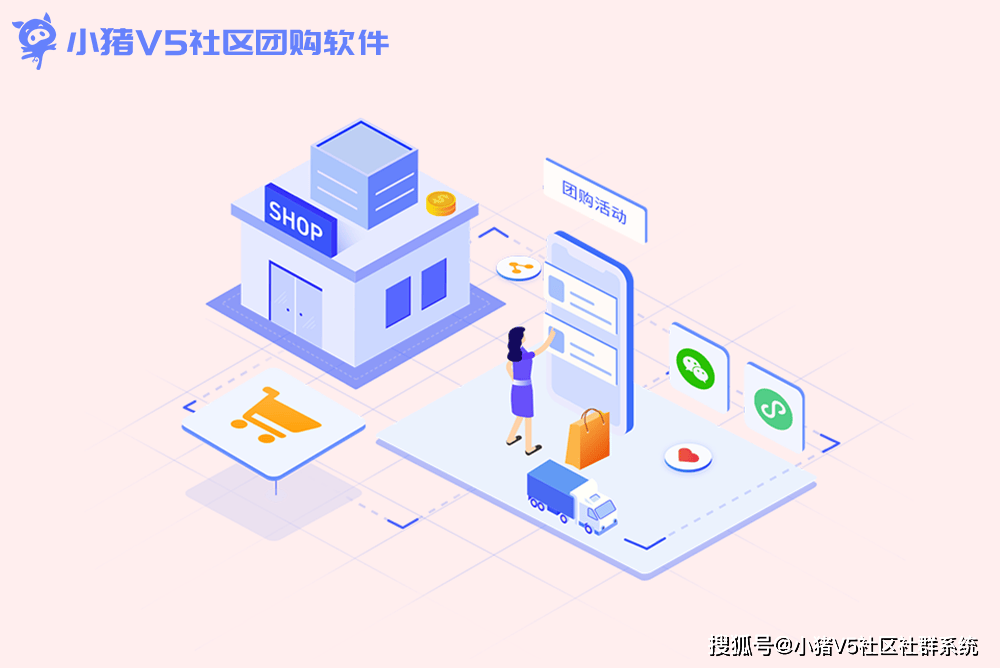
Core Points - Developing a comprehensive and user-friendly mall system is crucial for businesses to expand operations and enhance competitiveness [1] - The development process involves several important considerations that, if mishandled, could lead to significant losses for companies [1] Development Process - Step 1: Choose a mini-program production platform and register an account [1] - Step 2: Utilize diverse templates for visual design [5] - Step 3: Add and manage products [8] - Step 4: Set up marketing features such as membership storage, points mall, group buying, flash sales, and distribution [10] - Step 5: Apply for mini-program account certification [13] - Step 6: Enable WeChat payment functionality [15] - Step 7: Complete mini-program filing [17] - Step 8: Officially launch the mini-program [20] Security Measures - Security is the top priority in mall system development, covering payment security, user data privacy, anti-fraud, and attack prevention [20] - Advanced encryption technologies, such as SSL, should be employed to protect user payment information during transmission [20] - Strict adherence to legal regulations regarding user data protection is essential, including data encryption and access control [20] - Establishing robust anti-fraud mechanisms and employing security measures like firewalls and intrusion detection systems is necessary to ensure system stability [20] Performance Optimization - Performance optimization directly impacts user experience, with techniques like lazy loading of images to reduce initial load times [21] - Utilizing CDN acceleration can significantly shorten data transmission times by distributing content across global nodes [21] - Database optimization and effective caching strategies are crucial for improving system performance and reducing response times [21] Mobile-First Approach - With the rapid development of mobile internet, it is essential to focus on H5 pages, mini-programs, or apps during mall system development [22] - H5 pages offer cross-platform compatibility, while mini-programs provide convenience without installation [22] - Apps can deliver richer, personalized features for an enhanced shopping experience [22] Compliance with Regulations - Development must comply with relevant laws, such as the E-commerce Law, including displaying business licenses and ensuring consumer rights [23] - Protecting intellectual property and avoiding infringement is also a critical aspect of compliance [23] SEO Optimization for PC Mall - For PC-based malls, SEO optimization is vital for acquiring organic traffic through keyword selection, page title optimization, and internal linking [24] - Maintaining high-quality content and regular updates is necessary to attract and retain users [24] Conclusion - The development of a mall system is a complex and systematic project that requires careful consideration of security, performance, mobile adaptation, compliance, and SEO optimization to create a safe, efficient, and user-friendly platform for business growth [24]