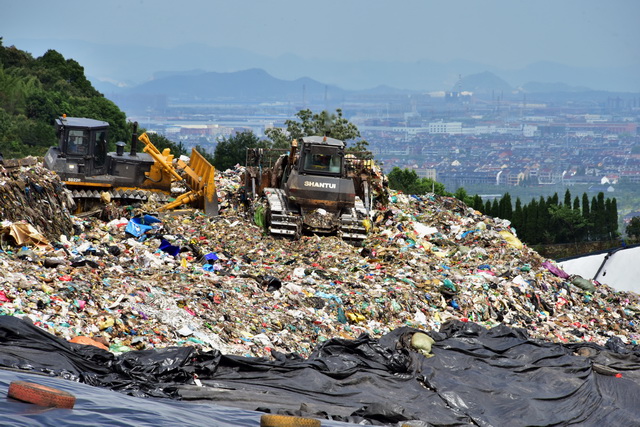
固体废物综合治理服务

Search documents
垃圾不够烧了,“固废十条”能否为环保产业带来新蛋糕
Xin Lang Cai Jing· 2026-01-10 10:12
Core Viewpoint - The release of the "Solid Waste Comprehensive Treatment Action Plan" marks a significant policy shift in China's environmental management, aiming for substantial improvements in solid waste management by 2030, including a target of 4.5 billion tons of comprehensive utilization of major solid waste and 510 million tons of recycling of main resources annually [2][4]. Group 1: Policy Overview - The "Solid Waste Comprehensive Treatment Action Plan" is a milestone document following previous environmental policies, focusing on the comprehensive management of solid waste [2]. - The plan aims to control historical stockpiles of solid waste and curb illegal dumping, with specific targets set for waste utilization and recycling by 2030 [2][4]. - The plan is spearheaded by the National Development and Reform Commission (NDRC), indicating a shift from large-scale infrastructure projects to a focus on creating a sustainable circular economy without relying on subsidies [2][5]. Group 2: Industry Context - The solid waste industry is experiencing a transition from a growth phase to a focus on operational efficiency, with a predicted decline in ecological infrastructure investment to below 30% by 2025 [5]. - The current oversupply in waste incineration capacity is highlighted, with a processing capacity of 862,000 tons per day in 2023, exceeding the target of 800,000 tons per day set for the 14th Five-Year Plan [4][5]. - The environmental industry has evolved significantly over the past decade, with previous policies like the "Air Ten Measures" and "Water Ten Measures" leading to substantial improvements in air and water quality [4][5]. Group 3: Future Opportunities - The organic waste treatment sector presents a significant growth opportunity, with potential investments reaching hundreds of billions, particularly in anaerobic digestion for biogas production [6]. - The plan emphasizes enhancing waste classification and resource utilization, promoting the integration of waste collection points with recycling networks, and encouraging manufacturers to participate in recycling efforts [6][7]. - The policy encourages local governments to allocate at least 1% of industrial land for resource recycling facilities and to leverage various funding sources to support solid waste management projects [7].

源头减量、过程管控、末端利用,“固废十条”出炉
Di Yi Cai Jing· 2026-01-05 02:02
Core Viewpoint - The "Solid Waste Comprehensive Management Action Plan" (referred to as "Solid Waste Ten Measures") is a significant policy milestone in China's environmental protection sector, aiming to strengthen control and investment in solid waste management, thus creating new development opportunities in the solid waste governance market [1][2]. Group 1: Policy Objectives and Goals - By 2030, the plan aims for significant improvements in solid waste management, including effective control of historical waste stockpiles, reduction of illegal dumping, and achieving a comprehensive utilization of 4.5 billion tons of major solid waste and 510 million tons of main recycled resources annually [1][2]. - The plan outlines measures such as promoting source control and reduction, standardizing collection and storage, enhancing resource utilization, increasing harmless treatment capacity, and implementing strict regulatory oversight [1][2]. Group 2: Current Challenges and Issues - China's solid waste generation exceeds 11 billion tons annually, with over 33 billion tons of industrial solid waste historically stockpiled, posing ecological risks, particularly in the Yangtze River Economic Belt [2]. - The Ministry of Ecology and Environment highlights challenges in solid waste management, including a lack of scientific assessment indicators, insufficient regulatory frameworks, and weak foundational governance for new pollutants [2][6]. Group 3: Implementation Strategies - The plan emphasizes strict enforcement of policies to eliminate outdated production capacities, enhance industrial waste source control, and promote green construction practices [2][3]. - It also includes initiatives for resource utilization of various waste types, such as improving the recycling of smelting slag, tailings, and agricultural waste, and encouraging the development of "urban mining" demonstration bases [3][5]. Group 4: Special Rectification Measures - The plan calls for special rectification of environmental hazards at landfill sites and illegal dumping, with a goal to complete the remediation of over 60% of historical waste storage sites by 2030 [5][6]. - Specific regions are targeted for the remediation of phosphogypsum storage, with completion expected by 2027 in several provinces [5][6]. Group 5: Future Directions and Recommendations - Experts suggest a need for a comprehensive strategic plan for solid waste management that aligns with pollution prevention and carbon reduction goals, advocating for coordinated and standardized regulatory measures [6][7]. - The establishment of a nationwide disposal capacity coordination mechanism and the use of smart information systems for precise management are recommended to enhance the effectiveness of solid waste governance [7].