国产汽油

Search documents
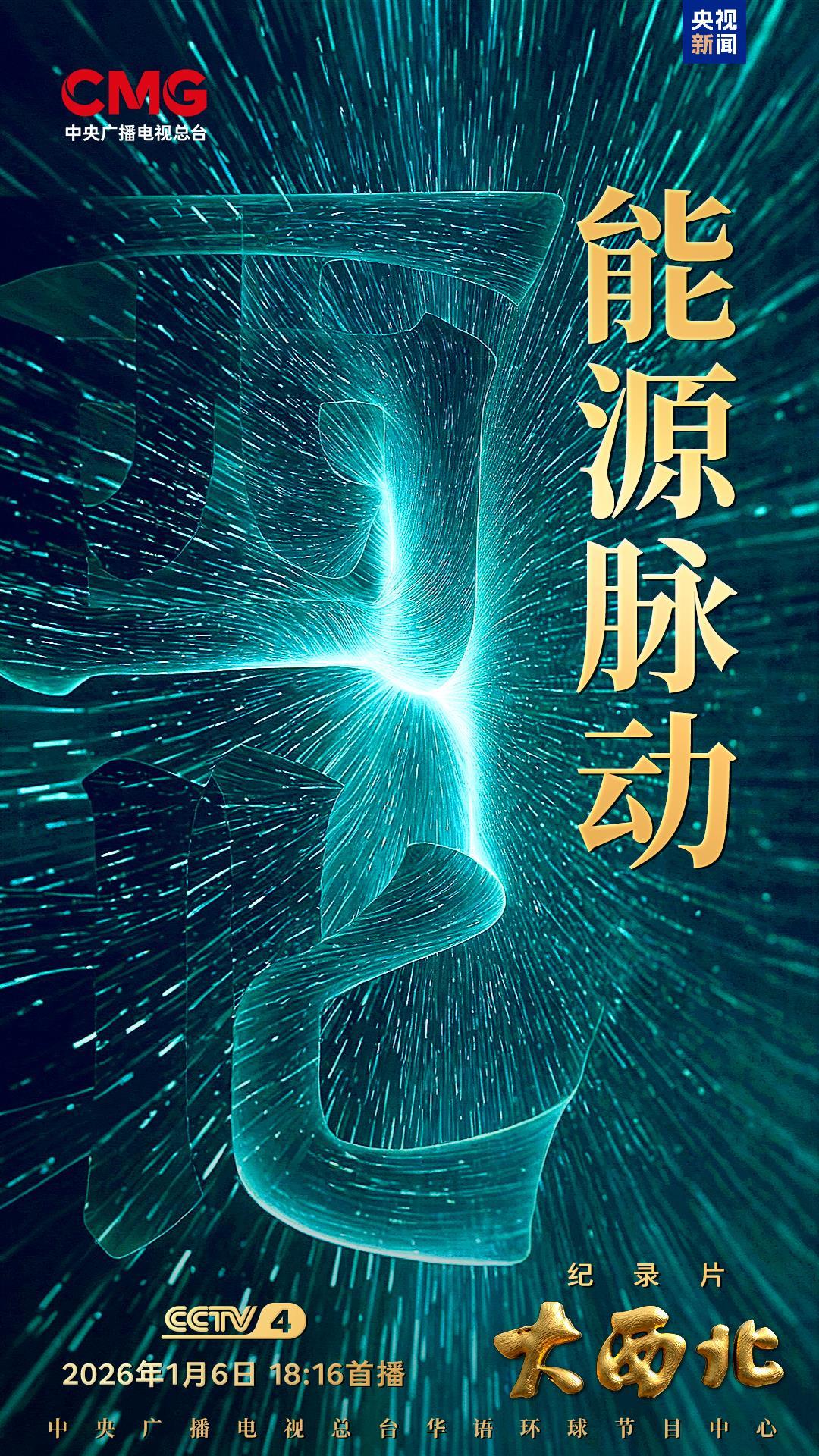
大西北︱《能源脉动》:撑起绿色中国的能源“粮仓”
国家能源局· 2026-01-07 10:46
Core Viewpoint - The documentary "Big Northwest" highlights the role of the northwest region of China in the modernization process, focusing on energy security, ecological protection, and technological innovation [2][17]. Group 1: Energy History and Contributions - The northwest region, particularly the Loess Plateau, is recognized as the cradle of China's petroleum industry, with significant historical milestones such as the first oil well drilled in 1907 [5]. - The region has produced notable figures in the energy sector, exemplified by the contributions of Wang Jinxi, symbolizing the spirit of dedication and hard work in building China's energy capabilities [5]. - Lanzhou Petrochemical, known as the "first son" of China's petrochemical industry, has achieved 109 national firsts in various fields over its 60-year history, showcasing its pivotal role in the industry [7]. Group 2: Innovations in Energy Production - The northwest holds approximately one-third of China's coal resources, with advancements in technology leading to safer and more efficient mining operations [9]. - A significant development is the world's largest coal-to-oil facility in Ningdong, which produces 4.05 million tons of oil annually, marking a breakthrough in coal liquefaction technology [9]. - The integration of photovoltaic technology in Qinghai has not only provided clean energy but also revitalized local ecosystems, demonstrating a successful model of ecological restoration and economic benefit for local herders [11]. Group 3: Infrastructure and Energy Distribution - The use of ultra-high voltage transmission technology allows for rapid energy transfer from Xinjiang to eastern regions, exemplified by the speed of electricity transmission from Hami to Chongqing in just 7 milliseconds [14]. - The natural gas project in southern Xinjiang has significantly improved the quality of life for local residents, transitioning them from traditional fuel sources to cleaner energy [16]. - The northwest region serves as a crucial stabilizer in China's energy landscape, contributing to national energy security and supporting the country's green development goals [16].


大西北丨光伏板下牧羊忙 能源“粮仓”点亮绿色中国
Xin Lang Cai Jing· 2026-01-06 09:11
Core Viewpoint - The Northwest region of China plays a crucial role in the country's energy security, providing essential resources and innovative technologies that contribute to a greener future [5][25]. Group 1: Historical Significance - The Loess Plateau is recognized as the cradle of China's petroleum industry, with the first onshore oil well drilled in 1907 [5]. - The "Gongchen Oilfield" in Yan'an supported revolutionary efforts during the war, highlighting the region's historical importance in energy production [5]. - The Northwest has produced significant figures in energy development, such as Wang Jinxi, symbolizing the spirit of dedication and hard work [5]. Group 2: Technological Advancements - The world's largest coal-to-oil facility, capable of producing 4.05 million tons of oil annually, demonstrates China's mastery of indirect coal liquefaction technology [13]. - The National Energy Group's team has worked for 19 years to address the global challenge of "ignition" in energy production [12]. Group 3: Renewable Energy Initiatives - The Qinghai Longyangxia Water-Solar Complementary Power Station not only generates clean energy but also revitalizes degraded grasslands, showcasing ecological benefits [15]. - The integration of photovoltaic panels has led to a dual benefit of energy production and ecological restoration, transforming arid regions into productive lands [17]. Group 4: Infrastructure and Distribution - The use of UHV (Ultra High Voltage) transmission technology allows for rapid electricity transfer from Xinjiang to eastern regions, significantly enhancing energy distribution efficiency [22]. - The energy infrastructure supports the transition from traditional energy sources to cleaner alternatives, as seen in the shift from firewood to natural gas in southern Xinjiang [23]. Group 5: Strategic Importance - The Northwest serves as a stabilizing force in China's energy landscape, ensuring national energy security through coal, gas, and electricity distribution [25]. - The region's energy dynamics facilitate regional cooperation and complementarity, driving forward the country's green energy initiatives [26].