石化

Search documents
国内高频 | 生产走势分化(申万宏观·赵伟团队)
申万宏源研究· 2026-03-31 05:30
Core Viewpoint - The article discusses the recent trends in industrial production, construction, and demand in China, highlighting the recovery in certain sectors while noting weaknesses in others. Group 1: Industrial Production - The blast furnace operating rate remains stable, with a week-on-week increase of 1.2% and a year-on-year stability at 1.5% [2] - Steel apparent consumption increased by 2.2% week-on-week but saw a year-on-year decline of 0.9 percentage points to 4.1% [2] - Steel social inventory decreased by 1.7% week-on-week [2] Group 2: Construction Industry - Cement production and demand have shown signs of recovery, with a week-on-week increase in grinding operating rate of 2.1% and a year-on-year increase of 2.6 percentage points to 14.1% [24] - Cement shipment rate increased by 7.3% week-on-week and a year-on-year increase of 0.2 percentage points to 0.8% [24] - Cement inventory ratio increased by 0.9% week-on-week and a year-on-year increase of 3 percentage points to 7.3% [24] Group 3: Demand Trends - National commodity housing transactions have improved, with a week-on-week increase of 14.8% in average daily transaction area and a year-on-year increase to 25.5% [48] - The average transaction area in first, second, and third-tier cities increased by 9.1%, 15.5%, and 20.7% respectively, with year-on-year increases of 25.3%, 63%, and 33% [48] - Freight volume remains resilient, with railway freight volume and highway truck traffic down by 3.2% and 1.2% year-on-year to 4.3% and 7.6% respectively [60] Group 4: Price Trends - Agricultural product prices are generally weak, with pork, vegetables, and fruit prices decreasing by 1.3%, 0.9%, and 0.7% respectively [102] - The industrial product price index decreased by 0.2% week-on-week, with energy and chemical prices increasing by 1.2% while metal prices decreased by 0.6% [114]


“十五五”规划深度解读:拥抱变局,迎接飞跃-中国银河
Sou Hu Cai Jing· 2026-03-30 19:17
Core Insights - The "14th Five-Year Plan" emphasizes high-quality development, domestic circulation, common prosperity, and the balance between development and security, with a focus on structural optimization and quality efficiency [1][2] Group 1: Economic Development - The GDP growth target is proposed based on situational assessments, highlighting a shift towards quality and structural improvements [1] - The plan prioritizes the establishment of a modern industrial system, reinforcing the manufacturing sector while promoting upgrades in traditional industries like steel and petrochemicals [1] - New emerging industries such as renewable energy, new materials, and smart connected vehicles are being cultivated, alongside future industries like quantum technology and 6G [1] Group 2: Demand Management - Consumption strategies are transitioning from short-term stimulation to long-term mechanisms, aiming to increase the resident consumption rate with a significant emphasis on service consumption [1] - Investment is shifting towards "effective investment," focusing on efficiency and precision, while encouraging private capital participation in major projects [1] Group 3: Institutional and Financial Reforms - The plan outlines a "dual reform" approach to ensure the coordinated development of state-owned and private enterprises, enhancing market-oriented resource allocation [2] - Financial reforms are aimed at building a strong financial system, improving central bank frameworks, and advancing the internationalization of the Renminbi [2] Group 4: Regional and Social Development - The strategy emphasizes the development of urban clusters and supports major economic provinces, enhancing urbanization quality and efficiency [2] - Rural revitalization focuses on food security, modern agriculture, and improving rural living conditions, promoting urban-rural integration [2] Group 5: Environmental and Safety Measures - The plan incorporates a national strategy for green transformation, aiming to increase the share of non-fossil energy to 25% and implement dual control on carbon emissions [2] - It also addresses safety by reinforcing food, energy, and cybersecurity, establishing mechanisms to mitigate financial and local debt risks [2]


国内高频 | 生产走势分化(申万宏观·赵伟团队)
赵伟宏观探索· 2026-03-30 17:08
Core Viewpoint - The article discusses the recent trends in industrial production, construction, and demand in China, highlighting the recovery in certain sectors while noting weaknesses in others. Group 1: Industrial Production - The blast furnace operating rate remains stable, with a week-on-week increase of 1.2% and a year-on-year stability at 1.5% [2] - Steel apparent consumption increased by 2.2% week-on-week but saw a year-on-year decline of 0.9 percentage points to 4.1% [2] - Steel social inventory decreased by 1.7% week-on-week [2] Group 2: Construction Industry - Cement production and demand have shown signs of recovery, with a week-on-week increase in grinding operating rate of 2.1% and a year-on-year increase of 2.6 percentage points to 14.1% [24] - Cement shipment rate increased by 7.3% week-on-week and a year-on-year increase of 0.2 percentage points to 0.8% [24] - Cement inventory ratio increased by 0.9% week-on-week and a year-on-year increase of 3 percentage points to 7.3% [24] Group 3: Demand Trends - National commodity housing transactions have improved, with a week-on-week increase of 14.8% in average daily transaction area for 30 major cities, and a year-on-year increase to 25.5% [48] - The average transaction area for first, second, and third-tier cities increased by 9.1%, 15.5%, and 20.7% respectively, with year-on-year increases of 25.3%, 63%, and 33% [48] - Freight volume remains resilient, with railway freight volume and highway truck traffic showing year-on-year declines of 3.2% and 1.2% respectively [60] Group 4: Price Trends - Agricultural product prices are generally weak, with pork, vegetables, and fruits showing week-on-week declines of 1.3%, 0.9%, and 0.7% respectively, while egg prices increased by 1.6% [102] - The overall industrial product price index decreased by 0.2% week-on-week, with energy and chemical prices increasing by 1.2% and metal prices decreasing by 0.6% [114]
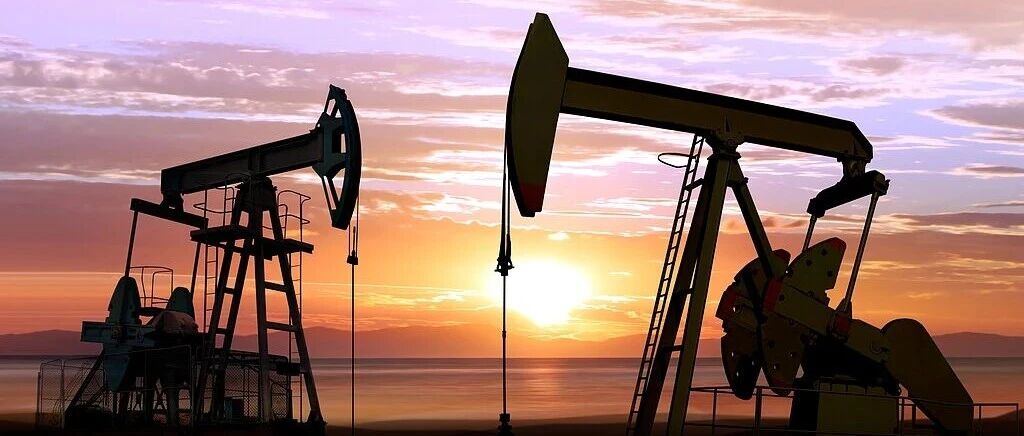
美伊战火点燃“石化炸弹”,一切下游商品都要涨?
财联社· 2026-03-30 08:26
Core Viewpoint - The rising prices of petrochemical products, driven by the increase in gasoline and crude oil prices, are expected to have a significant and gradual impact on consumers, leading to widespread inflation in various sectors [1][2]. Group 1: Impact of Rising Petrochemical Prices - The cost of petrochemical products, which include essential materials like benzene, butadiene, and styrene, has already begun to rise, although consumers may not yet be fully aware of this [1]. - Stanislav Krykun, CEO of DST-Pack, reported a 15% price increase from plastic particle suppliers due to rising raw material costs and market uncertainty, indicating that consumers will soon face higher prices [2]. - The price increases will not be immediate but will reflect a lag effect as production, transportation, and retail distribution processes take time to adjust [2]. Group 2: Broader Economic Implications - The petrochemical industry is heavily concentrated in the Middle East, with 79% of active petrochemical zones located in Saudi Arabia, Iran, and Qatar, making it vulnerable to geopolitical tensions [3]. - Jeff Krimmel from Krimmel Strategy Group highlighted that shortages and price hikes in petrochemical products will affect a wide range of everyday goods, including textiles and food packaging [3]. - The reliance on the Strait of Hormuz for shipping these products means that any disruption could have cascading effects throughout the global economy [3]. Group 3: Long-term Inflationary Pressures - Moody's Chief Credit Officer Atsi Sheth noted that the current situation is just the latest challenge for the petrochemical industry, which has already faced disruptions from the pandemic and geopolitical conflicts [4]. - Sheth indicated that while there has been an oversupply in the market, once existing inventories are depleted, inflationary pressures will become more pronounced [5]. - The ultimate burden of these cost increases will fall on consumers, particularly affecting low-income groups as prices for food, clothing, and retail goods rise [6]. Group 4: Market Adjustments and Consumer Impact - Companies are expected to adapt by simplifying packaging and redesigning products to manage costs, although these changes will take time to implement [7]. - The global supply of petrochemical raw materials and intermediates is significant, with approximately $733 billion flowing through the Gulf region annually, impacting downstream products worth $3.8 trillion [6]. - As companies navigate these challenges, they are likely to seek diversification in their investments, which may further increase operational costs [6].
韩国出现“垃圾袋抢购潮”,中东冲突已危及“工业大米”
第一财经· 2026-03-30 06:32
Core Viewpoint - The article discusses the impact of escalating tensions in the Middle East on South Korea's energy supply, particularly focusing on the government's decision to ban naphtha exports to alleviate domestic supply shortages amid rising prices and potential supply chain disruptions [1][9]. Group 1: Naphtha Export Ban - South Korea has implemented a complete ban on naphtha exports starting from March 27 for a period of five months to address domestic supply shortages [1][9]. - Naphtha prices have surged over 50% since last month, leading to significant operational challenges for major petrochemical companies like LG Chem, which has had to shut down parts of its production facilities [1][8]. - The government is considering further export restrictions on petrochemical products due to the ongoing Middle East situation and its impact on energy supply [1][9]. Group 2: Supply Chain Concerns - A "garbage bag buying spree" has occurred in South Korea, reflecting public anxiety over potential supply shortages, despite government assurances of sufficient inventory [6][7]. - Approximately 71% of surveyed companies reported receiving notifications of reduced supply or halted deliveries from upstream suppliers, with 92% expecting price increases for raw materials [7][8]. - South Korea imports about 45% of its naphtha, with 77% of that coming from the Middle East, making it particularly vulnerable to supply disruptions from countries like the UAE and Qatar [8][9]. Group 3: Energy Security Alerts - South Korea has raised its energy security alert level multiple times in March, moving from "attention" to "emergency mode" due to the worsening situation [10][11]. - The government plans to release a total of 22.46 million barrels from its strategic oil reserves over the next three months and has initiated energy-saving measures across public institutions [11][12]. - Analysts warn that disruptions in the petrochemical supply chain could lead to production halts in downstream industries such as automotive, appliances, shipbuilding, and construction [12]. Group 4: Economic Implications - The trade deficit for South Korea reached $12 billion in the first two months of the year, raising concerns about the impact of high energy import costs on currency depreciation and external debt [12]. - The article suggests that the current crisis may accelerate South Korea's transition towards renewable energy sources in the long term [12].

发现严重裂纹及时报告,被奖10000元!
中国能源报· 2026-03-30 04:03
Core Viewpoint - The article highlights the implementation of an internal reporting reward mechanism for safety hazards in production and operation units, as initiated by the State Council's safety production committee, showcasing positive progress and effectiveness in various regions [1]. Group 1: Case Summaries - Case 1: An employee at a petrochemical company in Daqing discovered condensation in a switch cabinet, reported it, and took immediate action to mitigate the risk, earning a reward of 10,000 yuan [3]. - Case 2: An employee at the State Grid Company in Jixi identified severe cracks in a transformer connection, reported it, and the company promptly repaired it, preventing a potential power outage, with the employee receiving a reward of 10,000 yuan [5]. - Case 3: An employee at a gas company in Qiqihar reported oil contamination on liquid oxygen cylinders, which was addressed to prevent a fire hazard, resulting in a reward of 800 yuan [7]. - Case 4: A warehouse manager in Mudanjiang reported malfunctioning fire safety equipment, leading to repairs and a reward of 1,000 yuan [9]. - Case 5: A gas company inspector in Qitaihe detected a gas leak and reported it, which was resolved quickly, earning a reward of 500 yuan [9]. - Case 6: An employee at a new energy technology company in Suihua identified a minor leak in a chemical pump, took preventive measures, and reported it, receiving a reward of 1,000 yuan [9]. Group 2: Safety Reporting Mechanism - The article emphasizes the importance of timely identification and reporting of safety hazards by employees to enhance safety production responsibility [1]. - The internal reporting reward mechanism aims to encourage proactive safety measures and improve overall safety standards in various industries [1].

国内高频 | 生产走势分化(申万宏观·赵伟团队)
申万宏源证券上海北京西路营业部· 2026-03-30 02:13
Core Viewpoint - The article discusses the current trends in industrial production, particularly focusing on the stability of blast furnace operations and the recovery of steel consumption, alongside the performance of various sectors such as construction and petrochemicals [6][16][28]. Group 1: Industrial Production - The blast furnace operating rate remains stable, with a week-on-week increase of 1.2% and a year-on-year maintenance at 1.5% [6]. - Steel apparent consumption has shown a week-on-week increase of 2.2%, but a year-on-year decline of 0.9 percentage points to 4.1% [6]. - Social steel inventory has decreased by 1.7% compared to the previous week [6]. Group 2: Petrochemical Sector - In the petrochemical chain, the soda ash operating rate decreased by 4.5% week-on-week but increased by 1.2 percentage points year-on-year to -1.4% [16]. - The PTA operating rate increased by 3.6% week-on-week and rose by 5.7 percentage points year-on-year to 3% [16]. - Downstream consumption in the polyester filament sector saw a week-on-week decrease of 0.9% and a year-on-year decline of 2.2 percentage points to -5.3% [16]. Group 3: Construction Industry - In the construction sector, the national grinding operating rate increased by 2.1% week-on-week and rose by 2.6 percentage points year-on-year to 14.1% [28]. - The cement shipment rate increased by 7.3% week-on-week and rose by 0.2 percentage points year-on-year to 0.8% [28]. - The cement inventory ratio has increased by 0.9% week-on-week and by 3 percentage points year-on-year to 7.3% [28]. Group 4: Glass and Asphalt Production - Glass production has remained flat compared to the previous week, with a year-on-year decline of 0.3 percentage points to -7.5% [40]. - The apparent consumption of glass decreased by 5.7% week-on-week and fell by 5.7 percentage points year-on-year to 6.6% [40]. - The asphalt operating rate, reflecting infrastructure investment, increased by 0.7% week-on-week but saw a year-on-year decline of 0.1 percentage points to -6.4% [40]. Group 5: Real Estate and Transportation - The average daily transaction area of commercial housing in 30 major cities increased by 14.8% week-on-week and saw a year-on-year increase to 25.5% [52]. - The railway freight volume related to domestic demand decreased by 3.2 percentage points year-on-year to 4.3% [64]. - The number of domestic and international flights increased by 0.5% and 1.2% week-on-week, respectively, with year-on-year increases of 7.7% and 2.2% to 10.2% and 7.1% [76]. Group 6: Price Trends - Agricultural product prices are generally weak, with pork, vegetables, and fruit prices decreasing by 1.3%, 0.9%, and 0.7% respectively [106]. - The industrial product price index decreased by 0.2% week-on-week, with the energy and chemical price index increasing by 1.2% and the metal price index decreasing by 0.6% [118].

伊朗一石化厂遭袭
中国能源报· 2026-03-30 01:29
Group 1 - A petrochemical plant in Tabriz, East Azerbaijan Province, Iran was attacked on March 30 [1] - The local emergency department confirmed that the situation at the site has been brought under control and there were no toxic substance leaks reported [1]

国内高频 | 生产走势分化(申万宏观·赵伟团队)
申万宏源宏观· 2026-03-29 16:03
Core Viewpoint - The article discusses the recent trends in industrial production, construction, and demand in China, highlighting the recovery in certain sectors while noting weaknesses in others. Group 1: Industrial Production - The blast furnace operating rate remains stable, with a week-on-week increase of 1.2% and a year-on-year stability at 1.5% [2] - Steel apparent consumption increased by 2.2% week-on-week but saw a year-on-year decline of 0.9 percentage points to 4.1% [2] - Steel social inventory decreased by 1.7% week-on-week [2] Group 2: Construction Industry - Cement production and demand have shown signs of recovery, with a week-on-week increase in grinding operating rate of 2.1% and a year-on-year increase of 2.6 percentage points to 14.1% [24] - Cement shipment rate increased by 7.3% week-on-week and a year-on-year increase of 0.2 percentage points to 0.8% [24] - Cement inventory ratio increased by 0.9% week-on-week and a year-on-year increase of 3 percentage points to 7.3% [24] Group 3: Demand Trends - National commodity housing transactions have improved, with a week-on-week increase of 14.8% in average daily transaction area for 30 major cities, and a year-on-year increase to 25.5% [48] - The transaction area for first, second, and third-tier cities increased by 9.1%, 15.5%, and 20.7% respectively week-on-week, with year-on-year increases of 25.3%, 63%, and 33% [48] - Freight volume remains resilient, with railway freight volume and highway truck traffic down by 3.2% and 1.2% year-on-year to 4.3% and 7.6% respectively [60] Group 4: Price Trends - Agricultural product prices are generally weak, with pork, vegetables, and fruit prices decreasing by 1.3%, 0.9%, and 0.7% respectively week-on-week, while egg prices increased by 1.6% [102] - The overall industrial product price index decreased by 0.2% week-on-week, with energy and chemical prices increasing by 1.2% and metal prices decreasing by 0.6% [114]

数据点评 | 工企盈利缘何“开门红”?(申万宏观·赵伟团队)
赵伟宏观探索· 2026-03-27 16:03
Core Viewpoint - The significant rebound in industrial profits for January-February 2026 is primarily driven by a low base effect and revenue improvement, with profits rising 10.1 percentage points year-on-year to 15.2% [2][9][80] Revenue - Revenue for January-February 2026 saw a substantial increase, supported by better-than-seasonal performance in both domestic and external demand, with consumption, investment, and export growth rates rising by 1.9, 16.9, and 15.3 percentage points to 2.8%, 1.8%, and 21.8% respectively [2][15][80] - The petrochemical, metallurgy, and consumer chains all experienced revenue improvements, with cumulative year-on-year revenue growth for these sectors rising by 7, 8.8, and 8 percentage points to -0.7%, 7.5%, and 6% respectively [2][15][80] Industry Contribution - The non-ferrous metal-related industries significantly contributed to overall profit growth, with non-ferrous selection and processing boosting profits by 1.1 and 0.9 percentage points to 1.8% and 6.1% respectively [3][21][80] - Chemical raw materials and oil and gas extraction also made notable contributions to overall profits, increasing by 4.5 and 0.9 percentage points to 1.4% and -1.2% respectively [3][21][80] Cost Structure - The cost rate for industrial enterprises fell to 84.8%, remaining stable compared to previous years, with the petrochemical and metallurgy chains showing lower cost rates than the previous year [3][24][80] - The cost rates for oil and gas extraction and non-ferrous selection saw significant declines, with reductions of 22.8% and 8% respectively [3][24][80] Inventory - The nominal inventory for industrial enterprises increased by 2.7 percentage points year-on-year to 6.6%, while the actual inventory growth rate rose by 0.6 percentage points to 7.3% [7][65][80] Future Outlook - The recent surge in oil prices may lead to price increases in the petrochemical chain, but could also pressure profit margins and demand, with expected impacts becoming evident around May 2026 [4][41][82]