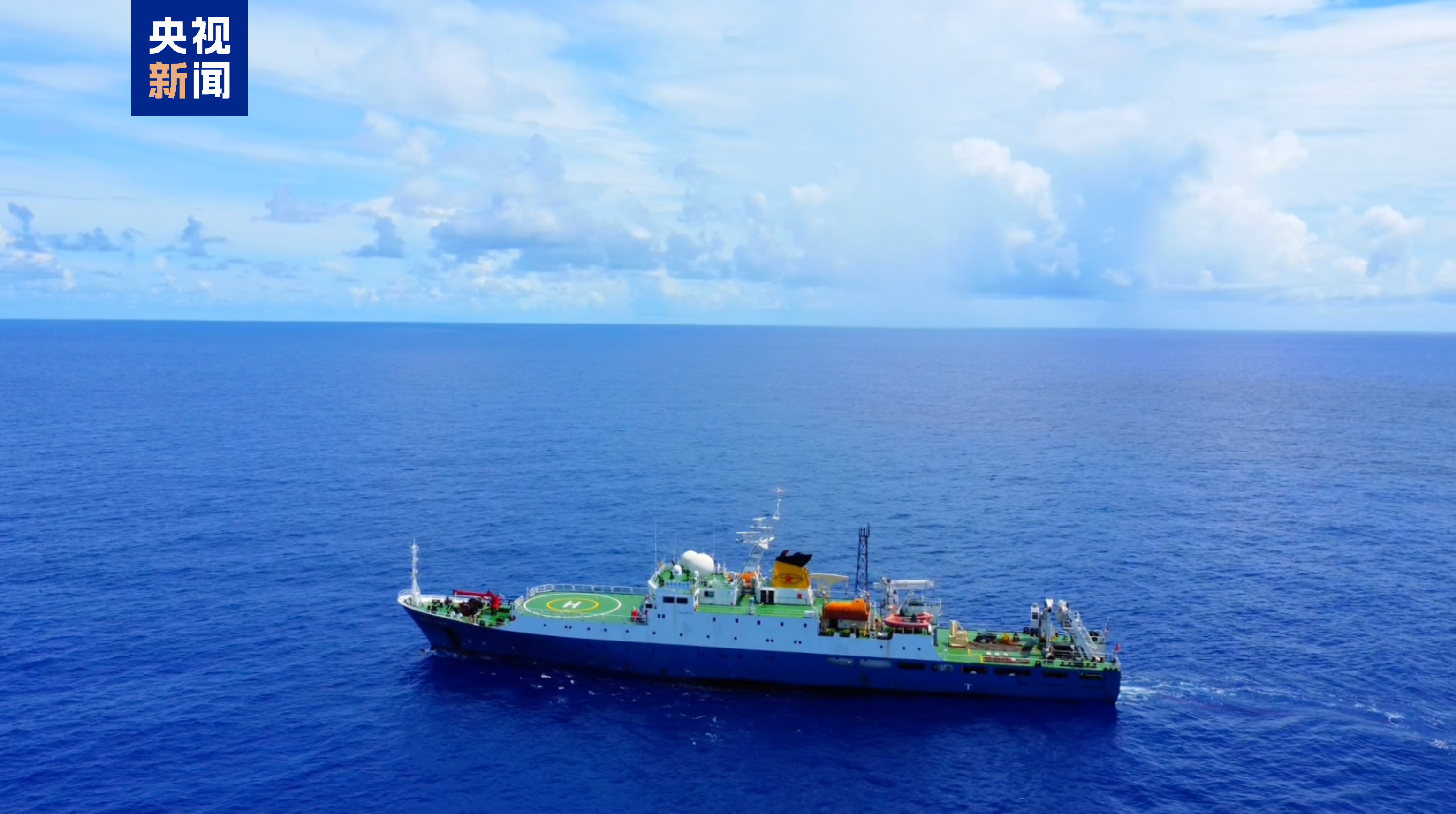
国产自主水下机器人

Search documents
“海洋地质六号”最新成果发布
中国能源报· 2025-12-10 09:57
Core Viewpoint - The "Ocean Geological No. 6" research vessel has successfully completed its 15th deep-sea geological survey mission, with multiple scientific achievements officially released [1]. Group 1: Mission Overview - The 15th mission's second phase began on August 29 this year, lasting 95 days and covering a total distance of 12,673 nautical miles [3]. - The mission collected valuable data and samples, including deep-sea marine environmental data, seawater samples, seabed sediments, polymetallic nodules, and deep-sea biological samples [3]. Group 2: Technological Advancements - The mission marked the first use of domestically developed 6,000-meter deep-sea remotely operated vehicles and autonomous underwater robots in the Pacific deep-water area, achieving excellent application results [5]. - A significant achievement was the first electromagnetic profile measurement in the Pacific abyss, which provides high-quality electromagnetic observation data for future ocean drilling site selection [8]. Group 3: Future Plans - The "Ocean Geological No. 6" research vessel is scheduled to return to the Pacific in the first half of 2026 for more in-depth basic geological and environmental geological scientific investigations [7].

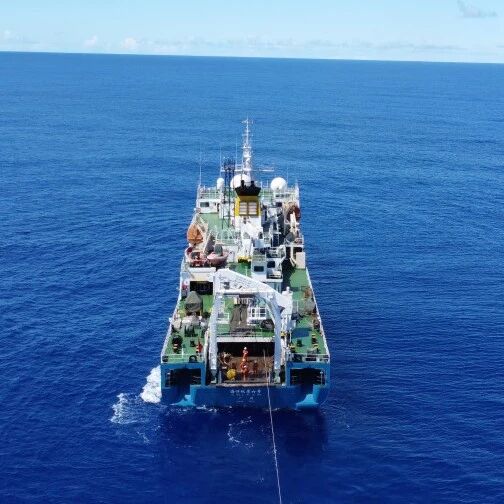
“海洋地质六号”科考船第15航次任务成果发布
Yang Shi Wang· 2025-12-10 07:54
Core Insights - The "Marine Geological No. 6" research vessel has successfully completed the second phase of its 15th voyage, with multiple scientific achievements announced on December 10 [1] Group 1: Mission Overview - The second phase of the 15th voyage began on August 29 and lasted for 95 days, covering a total distance of 12,673 nautical miles [3] - The mission collected valuable data and samples, including deep-sea marine environment data, seawater samples, seabed sediments, polymetallic nodules, and deep-sea biological samples [3] Group 2: Technological Advancements - The mission marked the first use of domestically developed 6,000-meter deep-sea remotely operated vehicles and autonomous underwater robots in the Pacific deep-water area, achieving excellent application results [5] - Significant progress was made in the application of key technologies and equipment for deep-sea exploration [3] Group 3: Resource Discovery - A new resource-rich area of polymetallic nodules was discovered during the seabed mineral geological survey, expanding the resource space for seabed metal minerals [5] - Polymetallic nodules are primarily found at depths of 4,000 to 6,500 meters in deep-sea basins, with diameters ranging from 3 to 10 centimeters, composed mainly of iron-manganese oxides and hydroxides, and rich in key metal elements such as cobalt, nickel, copper, and manganese [7] Group 4: Future Plans - The "Marine Geological No. 6" research vessel is scheduled to return to the Pacific in the first half of 2026 for more in-depth basic geological and environmental geological scientific investigations [7]
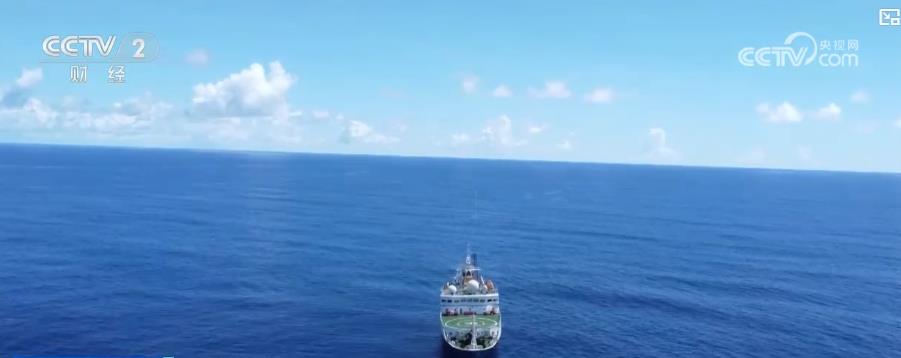
获取多项成果!“海洋地质六号”科考在深海探测关键技术等领域取得新进展
Yang Shi Wang· 2025-12-10 07:09
Core Insights - The "Marine Geological No. 6" research vessel has successfully completed its 15th voyage, marking significant advancements in deep-sea geological research and data collection [1][3][21] Group 1: Mission Overview - The 15th voyage's second phase began on August 29, 2025, lasting 95 days and covering a total distance of 12,673 nautical miles [1] - The mission collected valuable data and samples, including deep-sea environmental data, seawater samples, seabed sediments, polymetallic nodules, and deep-sea biological samples [1][3] Group 2: Technological Advancements - The team utilized a self-developed 6000-meter deep-sea remotely operated vehicle and domestically produced underwater robots for high-precision tests and operations in deep-water areas [3][21] - The mission achieved new progress in deep-sea detection technologies and equipment applications [1][3] Group 3: Geological Discoveries - A new resource-rich area of polymetallic nodules was discovered, expanding the potential for seabed metal resources [3][12] - The polymetallic nodules, primarily found at depths of 4,000 to 6,500 meters, are significant for their high resource potential and are crucial for China's resource security [10][12] Group 4: Future Research Directions - Scientists will conduct further testing and analysis of geological samples to study the area's structural evolution, providing essential data for global ocean scientific drilling site selection [5][24] - The "Marine Geological No. 6" vessel is scheduled to return to the Pacific in the first half of 2026 for more in-depth geological and environmental investigations [7] Group 5: Electromagnetic Measurements - The mission completed the first electromagnetic profile measurement of the Pacific abyss, obtaining high-quality electromagnetic observation data [17][22] - This data will assist in future ocean drilling site selection and enhance understanding of deep Earth structure and evolution [19][22]
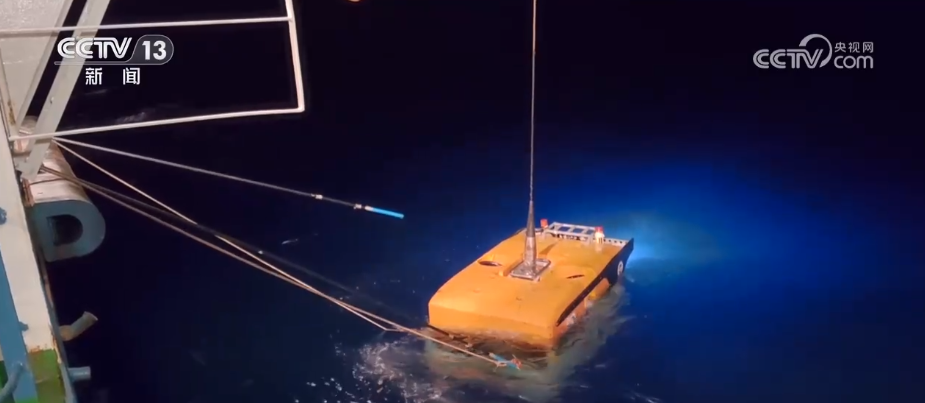
为大洋钻探选址提供数据支撑 “海洋地质六号”最新成果发布
Yang Shi Xin Wen· 2025-12-09 23:19
Core Insights - The "Marine Geological Six" research vessel has successfully completed the second phase of its 15th voyage, with multiple scientific results officially released on December 10 [1] Group 1: Mission Overview - The second phase of the 15th voyage began on August 29 and lasted for 95 days, covering a total distance of 12,673 nautical miles [2] - The mission collected valuable data and samples, including deep-sea marine environment data, seawater samples, seabed sediments, polymetallic nodules, and deep-sea biological samples [2] Group 2: Technological Advancements - The mission marked the first use of domestically developed 6,000-meter deep-sea remotely operated vehicles and autonomous underwater robots in the Pacific deep-water area, achieving significant application results [5] - High-precision tests and operations were successfully conducted near the seabed using these advanced technologies [5] Group 3: Scientific Contributions - The collected data will serve as a fundamental basis for studying deep-sea geology, deep-sea environments, and deep-sea ecosystems [7] - The mission also achieved the first electromagnetic profile measurement of the Pacific abyss, obtaining high-quality electromagnetic observation data that will assist in future ocean drilling site selection [7] Group 4: Future Plans - The "Marine Geological Six" vessel is scheduled to return to the Pacific in the first half of 2026 for more in-depth basic geological and environmental geological scientific investigations [9]