国产C919高原型大飞机

Search documents
辉煌60载 魅力新西藏丨从高原“孤岛”到“枢纽” 航线延展架起了“空中金桥”
Yang Shi Xin Wen Ke Hu Duan· 2025-08-14 09:21
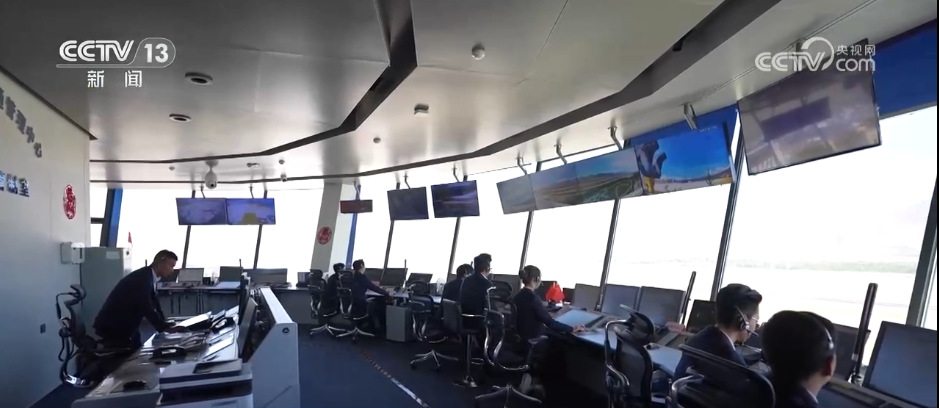
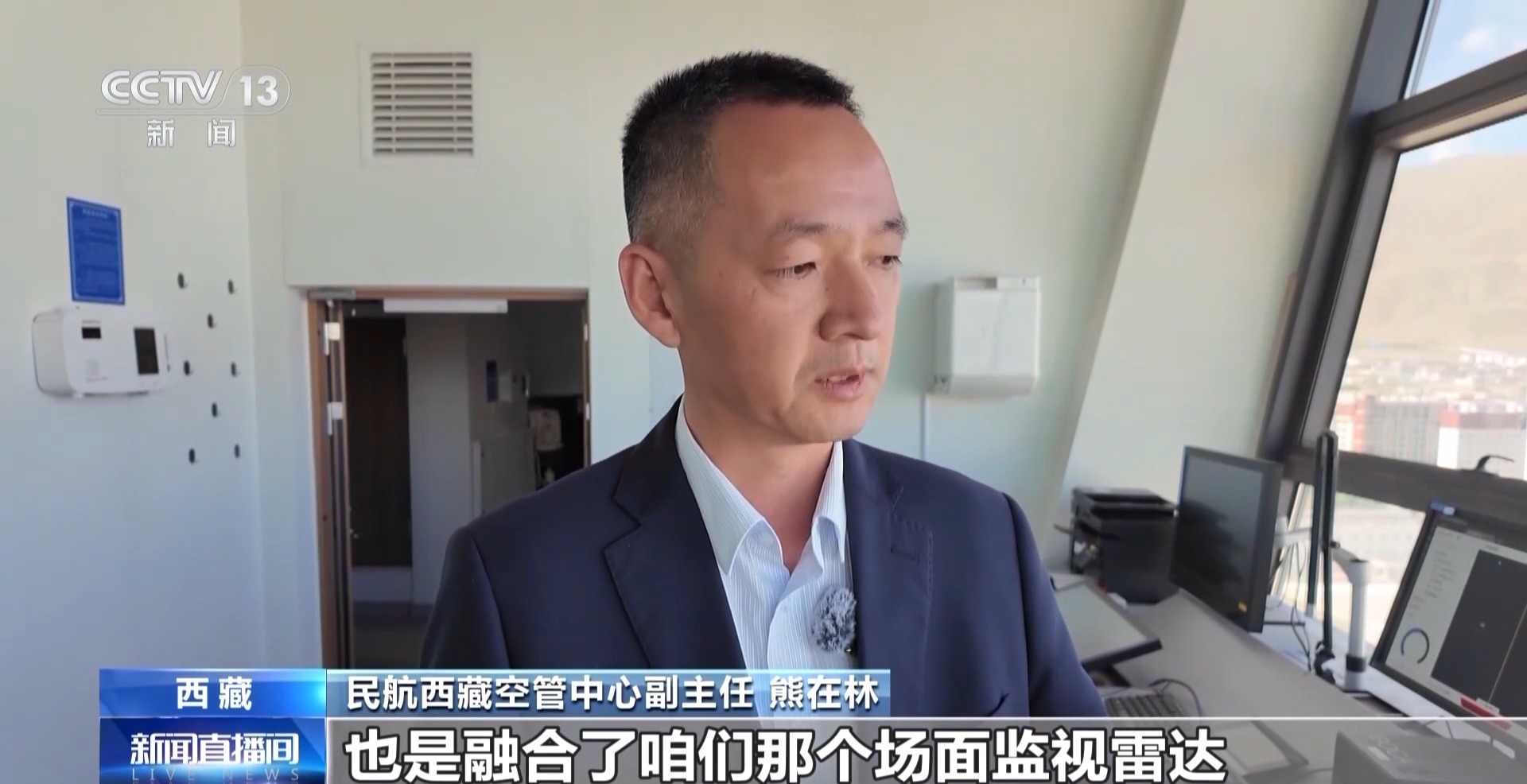
Core Insights - The development of civil aviation in Tibet has significantly improved over the past 60 years, evolving from a single airport to a comprehensive network connecting major cities in China and international destinations [1][5][9] - The new high-altitude airport control tower at Lhasa Gonggar International Airport, set to be operational by September 2024, will enhance air traffic management capabilities and operational efficiency in challenging weather conditions [1][3] - The growth in passenger traffic and flight frequency in Tibet is remarkable, with annual increases of over 10%, reflecting the region's transformation from an "island" to a "hub" [5][9] Infrastructure Development - The number of airport terminals in Tibet has increased from 1 to 10, with total terminal area expanding from 1,661 square meters to over 150,000 square meters, and runways from 1 to 10 [7] - Lhasa Gonggar International Airport currently handles an average of 170 flights daily, contributing to over 200 flights across the region [7] Future Projections - By the end of 2030, Tibet's civil aviation is expected to reach a passenger throughput of 9.8 million, cargo throughput of 66,000 tons, and a total of 85,000 flight operations [9] - The establishment of regular cargo flights by SF Express marks a significant step in facilitating the exchange of local products and industrial goods, enhancing economic connectivity [9][11] Economic Impact - The development of the airport has transformed the previously barren area around Gonggar Airport into a thriving economic zone, with 70% of local residents engaged in airport-related economic activities [11] - The collaboration with Chinese manufacturers for the development of domestically produced aircraft, such as the C919, is underway, indicating a commitment to advancing aviation technology in the region [13][15]

辉煌60载 魅力新西藏 | 航线网编织天路之翼 高原“孤岛”变“枢纽”
Yang Shi Wang· 2025-08-14 03:52
Core Viewpoint - The development of civil aviation in Tibet over the past 60 years has significantly improved connectivity, contributing to the region's social and economic growth, with a comprehensive network of routes now established [1][3]. Group 1: Infrastructure Development - The number of airports in Tibet has increased from 1 to 10, and the number of runways has grown from 1 to 10, with Lhasa Gonggar International Airport now handling an average of 170 flights daily, and the entire region exceeding 200 flights [3]. - As of now, civil aviation in Tibet connects 81 cities and operates 193 routes, with projections indicating that by the end of 2030, passenger throughput could reach 9.8 million and cargo volume could hit 66,000 tons [3]. Group 2: Technological Advancements - A new high-altitude airport control tower is set to be operational by September 2024, enhancing air traffic management capabilities and operational efficiency in the complex terrain of Tibet [4]. - The integration of advanced technologies in communication, navigation, and weather monitoring is expected to significantly improve safety and service quality in the region's aviation sector [4]. Group 3: Economic Impact - The establishment of a dedicated air freight route by SF Express on July 10, 2025, has facilitated the exchange of local Tibetan products and industrial goods from mainland provinces, with parcel throughput increasing from 20,000 to 14 million annually by 2024 [6]. - The development of the aviation sector has transformed previously desolate areas, such as the town of Jiazhulin, into thriving urban centers [8]. Group 4: Future Prospects - The ongoing collaboration between Tibet Airlines and COMAC aims to advance the development of domestically produced C919 high-altitude aircraft, enhancing operational capabilities in the region [8]. - The 60th anniversary of Tibet's establishment is viewed as a pivotal moment for future aviation developments, with aspirations for pilots to operate domestic large aircraft in the Tibetan skies [10].