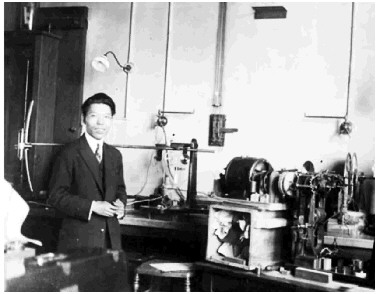
地震仪

Search documents
抗战烽火中的“科技长城”
Xin Lang Cai Jing· 2026-01-02 17:26
Core Viewpoint - The article highlights the significant contributions of Chinese scientists and academic institutions during the Anti-Japanese War, emphasizing their resilience and innovation in the face of adversity, as documented in the book "Rise: Science and Scientists during the War" [3][7][11]. Group 1: Contributions of Scientists - Chinese scientists engaged in various research projects to support wartime needs, such as extracting oil from castor seeds and developing nutritional improvements for soldiers [4][9]. - Notable figures like Wu Da You and Hua Luo Geng continued their research under challenging conditions, showcasing their dedication to science [4][9]. - The establishment of research institutions in safer regions, such as Kunming and Chongqing, allowed for continued scientific work despite the war [8][10]. Group 2: Challenges Faced - The war led to the destruction of many universities and research facilities, forcing scientists to relocate and adapt to new environments [8][9]. - The article describes the harsh conditions under which scientists operated, often lacking basic resources like electricity and water [5][11]. - The impact of the war on scientific progress was profound, yet it also spurred innovation and collaboration among scientists [7][11]. Group 3: International Collaboration - Foreign experts, including medical personnel, came to China to assist in wartime efforts, fostering international scientific cooperation [11][12]. - The efforts of scientists during this period not only contributed to the war effort but also laid the groundwork for future scientific advancements in China [11][12]. - The book illustrates how these collaborations helped bridge the gap between Eastern and Western scientific communities during a time of crisis [12].

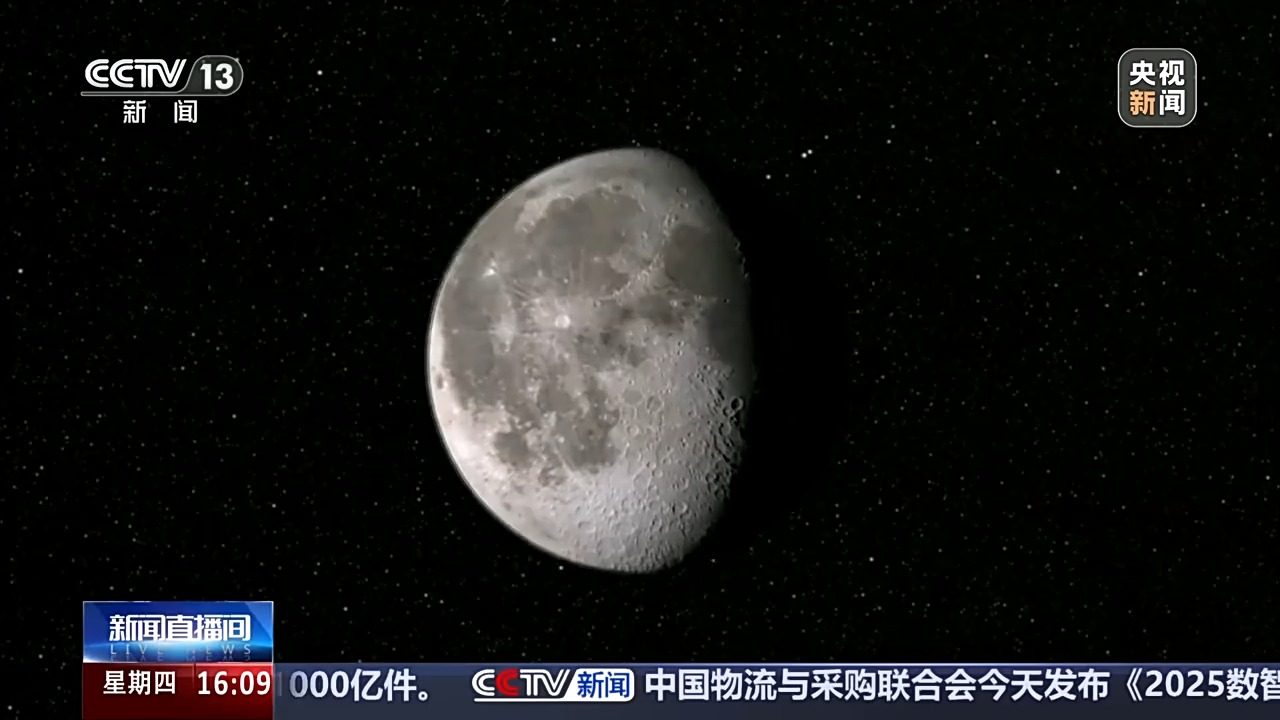
嫦娥七号明年前后将发射,还会带这个仪器上月球→
Yang Shi Xin Wen· 2025-07-10 09:49
Core Insights - China's lunar exploration program has achieved significant scientific research results from the samples returned by the Chang'e 6 mission, showcasing the country's capabilities in planetary science and laying the groundwork for future studies on the moon's formation and evolution [1][3]. Group 1: Scientific Achievements - Over the past year, Chinese scientists have made several groundbreaking advancements in the study of samples returned by the Chang'e 6 mission, which have garnered considerable attention in the international academic community [3]. - The Chang'e 6 mission's sample collection from the moon's far side has been recognized as a critical task in lunar exploration, particularly in the context of the South Pole-Aitken Basin, drawing global scientific interest [5]. Group 2: Future Missions - The Chang'e 7 lunar probe is scheduled for launch around 2026, with a focus on environmental and resource exploration in the South Pole-Aitken Basin, particularly in the search for water ice, which is essential for future lunar base construction [8]. - The primary objectives of the Chang'e 7 mission include investigating the presence of water on the moon and deploying a seismometer to study the internal structure of the moon, comparing the differences between the near and far sides [10].