多智能体协作系统

Search documents
用AI做整包临床试验,「深度智耀」获近5000万美元D轮融资|36氪首发
Sou Hu Cai Jing· 2025-12-11 00:09
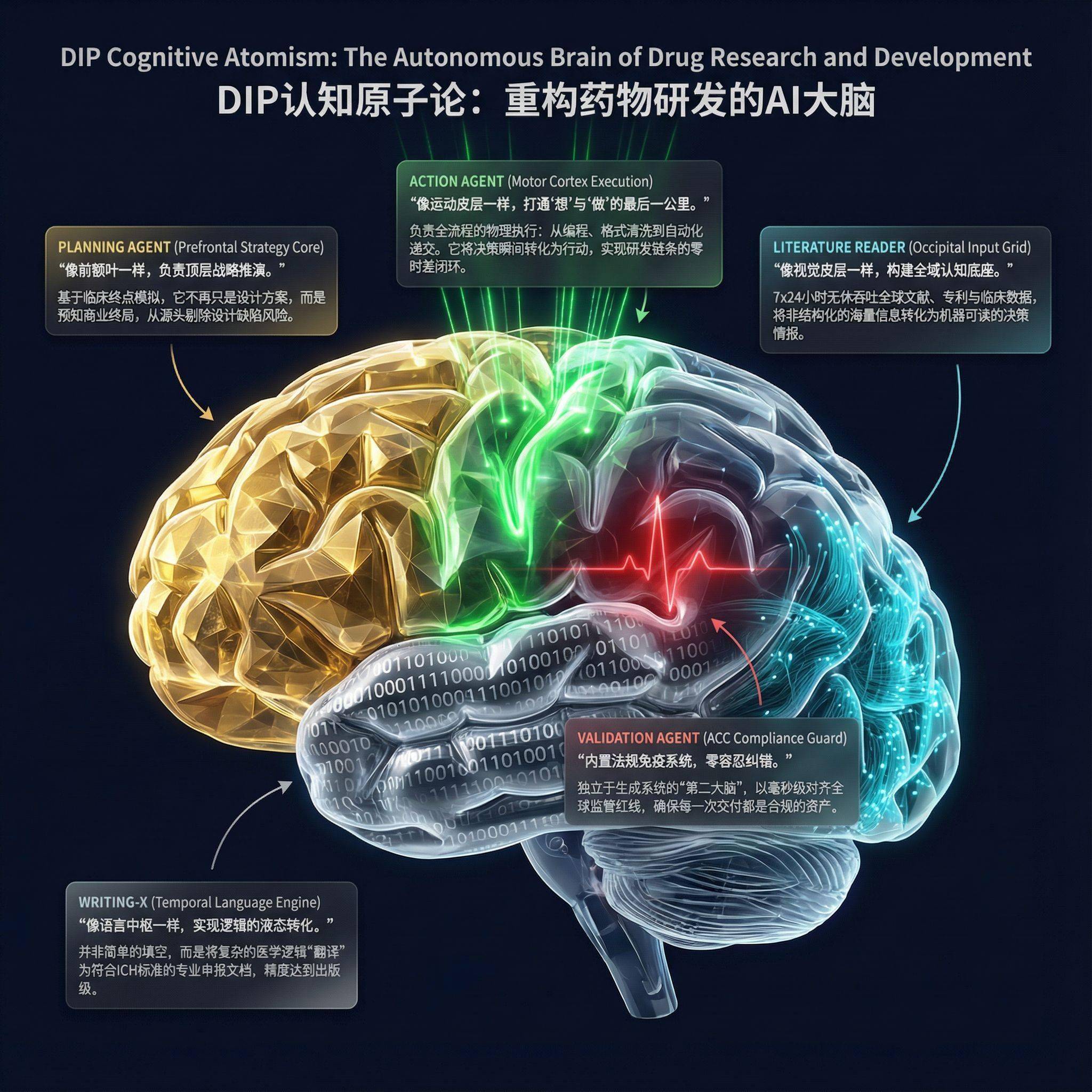
文|胡香赟 编辑|海若镜 36氪获悉,AI制药全球领军企业深度智耀近期获近5000万美元D轮融资。本轮融资由鼎晖百孚领投,老股东新鼎资本、红杉中国持续加注,指数资本担任独 家财务顾问。募集资金将主要用于"多智能体协作网络"的技术研发迭代及全球交付网络的建设。 深度智耀成立于2017年。相较于早期在单一技术点上的探索,过去三年,深度智耀完成了从"单点AI技术验证"向"AI原生临床研究平台(AI-Native Platform)"的代际跨越。这一进化使其脱离了传统软件供应商的范畴,转型为能够交付临床试验全流程结果的核心业务伙伴。 在公司创始人、CEO李星看来,医药研发的未来不在于单一功能的替代,而在于认知的重构。随着生成式AI的爆发,深度智耀率先将底层的NLP能力升级为 拥有上万个垂直领域智能体的"多智能体协作系统"。 "我们不再是交付单一功能的模块,而是交付一个能够协同完成临床试验全流程的'AI智能体集群'。"李星对36氪表示:"我们的核心壁垒在于用'认知原子 论'去重构研发流程,系统将复杂的临床试验拆解为上万个微小的原子化任务,每个任务由专精的Agent负责,它们通过类似脑神经的突触网络连接,实现了 远超通用 ...

用AI做整包临床试验,「深度智耀」获近5000万美元D轮融资|早起看早期
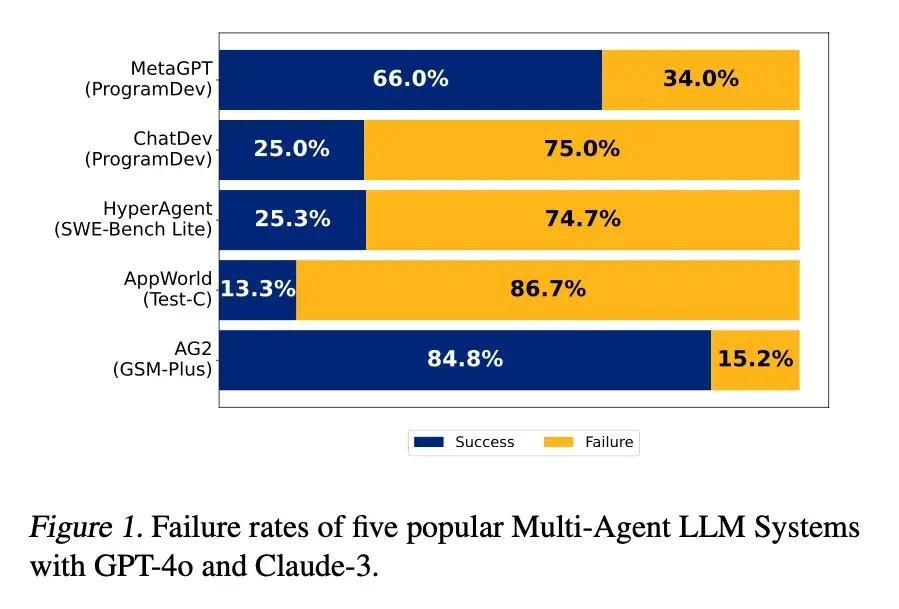
36氪· 2025-12-11 00:01
累计服务超过1000家药企, 并通过40000余个项目的实战交付。 "我们不再是交付单一功能的模块,而是交付一个能够协同完成临床试验全流程的'AI智能体集群'。"李星对36氪表示:"我们的核心壁垒在于用'认知原子 论'去重构研发流程,系统将复杂的临床试验拆解为上万个微小的原子化任务,每个任务由专精的Agent负责,它们通过类似脑神经的突触网络连接,实现了 远超通用大模型的专业度。" 图源:深度智耀 这种技术架构的演进,在一定程度上推动了商业模式的变革。在行业普遍采用"按人头/工时付费"的传统模式下,深度智耀开始探索基于里程碑的价值付费 (Outcome-based Model)。 文 | 胡香赟 编辑 | 海若镜 封面来源 | IC Photo 36氪获悉,AI制药全球领军企业深度智耀近期获近5000万美元D轮融资。本轮融资由鼎晖百孚领投,老股东 新鼎资本、 红杉中国持续加注,指数资本担任 独家财务顾问。募集资金将主要用于"多智能体协作网络"的技术研发迭代及全球交付网络的建设。 深度智耀成立于2017年。相较于早期在单一技术点上的探索,过去三年,深度智耀完成了从"单点AI技术验证"向"AI原生临床研究平台(A ...

多智能体的协作悖论
3 6 Ke· 2025-08-27 13:44
Core Viewpoint - The article discusses the emerging trend of collaborative AI systems, where multiple AI agents work together like a human team, potentially surpassing the limitations of single large models [1][2]. Group 1: Collaborative AI Systems - According to IDC, by 2027, 60% of large enterprises are expected to adopt collaborative AI systems, improving business process efficiency by over 50% [2]. - Collaborative AI systems consist of multiple autonomous agents that can perceive, decide, act, and communicate with each other, leading to enhanced problem-solving capabilities [4]. - The performance of multi-agent systems can exceed that of the best single agent by significant margins, as demonstrated by the Claude Opus system, which outperformed the strongest single agent by 90.2% without a substantial increase in generation time [5]. Group 2: Advantages and Challenges - Multi-agent collaboration allows for parallel processing of tasks, significantly reducing task completion time without sacrificing efficiency [5]. - However, the complexity of coordination increases with the number of agents, leading to potential miscommunication and decreased accuracy in outputs [6][8]. - High communication costs can lead to increased computational resource consumption, with token usage in multi-agent interactions being up to 15 times higher than standard conversations [8]. Group 3: Management and Coordination - To manage the complexities of multi-agent systems, a coordinator agent can be introduced to oversee task distribution and conflict resolution, ensuring alignment towards common goals [10]. - Standardized communication protocols can help reduce integration complexity and facilitate efficient information exchange among agents [13]. - The balance between distributed decision-making and centralized control is crucial for the effective functioning of multi-agent systems, requiring ongoing advancements in technology for reliability and security [14].