大头Bobo

Search documents
中国机器人“刷屏”CES
Di Yi Cai Jing Zi Xun· 2026-01-07 06:02
Core Insights - The CES 2026 in Las Vegas showcased a strong presence of Chinese humanoid robotics companies, indicating a shift from laboratory innovations to real-world applications [2][3] - The event highlighted the increasing popularity and competitiveness of Chinese robotics in the global market, with many companies making their debut at CES [3][6] Group 1: Company Highlights - Unitree Technology's booth attracted significant attention with a robot fighting demonstration, showcasing the capabilities of their G1 humanoid robots [3][5] - The debut of ZhiYuan Robotics featured a dancing humanoid robot, which captivated foreign audiences and emphasized China's innovative edge in robotics [6] - Fourier's "Care-bot" concept prototype aims to explore emotional companionship through a lightweight design, targeting over 2,000 medical institutions globally [10][11] Group 2: Market Trends - The event saw a notable focus on consumer-oriented (C-end) products, with companies like VITAPOWER introducing interactive four-legged robots that can autonomously follow users [10][15] - Magic Atom reported that over 60% of its revenue comes from overseas, highlighting the global demand for their robots, including the MagicBot Gen1 for industrial applications [15] - Companies are leveraging CES for brand exposure and to secure overseas orders, aiming to establish a foothold in international markets [15]


中国机器人“刷屏”CES
第一财经· 2026-01-07 05:49
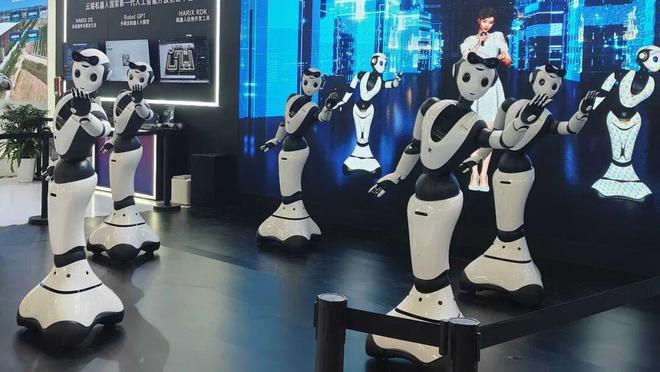
Core Viewpoint - The article highlights the significant presence and impact of Chinese humanoid robotics companies at CES 2026, showcasing their advancements and market readiness, indicating a shift from laboratory innovations to real-world applications [3][4]. Group 1: Event Highlights - At CES 2026, various Chinese embodied intelligence companies, including Unitree, Galaxy General, and Fourier, attracted considerable attention, with many participating for the first time [5][7]. - Unitree's booth featured a robot fighting competition that captivated the audience, demonstrating the engaging capabilities of their humanoid robots [5][7]. - The event showcased a variety of robots, including those performing synchronized exercises and demonstrating dexterity, such as a robot from Singapore that could pick up a lightweight flyer [7][8]. Group 2: Product Innovations - Fourier introduced a desktop "Care-bot" concept aimed at providing emotional companionship, designed for customization and interaction [13]. - Vitas Power's four-legged robot, Bobo, drew crowds with its interactive features and capabilities, including a maximum speed of 13.3 km/h and a load capacity of 12 kg [15]. - Magic Atom reported that over 60% of its revenue came from overseas in 2025, highlighting the global demand for their robots, including the MagicBot Gen1, which has been successfully implemented in industrial settings [17]. Group 3: Market Strategy - Many participating companies aimed to enhance brand visibility and secure overseas orders, focusing on expanding their presence in key markets such as North America, Europe, and the Middle East [17]. - Companies like Songyan Power are targeting significant market expansion, with plans to achieve a scale of a thousand units in the second quarter of the year [17].
万元级消费机器狗走到家门口,真正的考验才刚开始
Di Yi Cai Jing· 2025-12-24 07:14
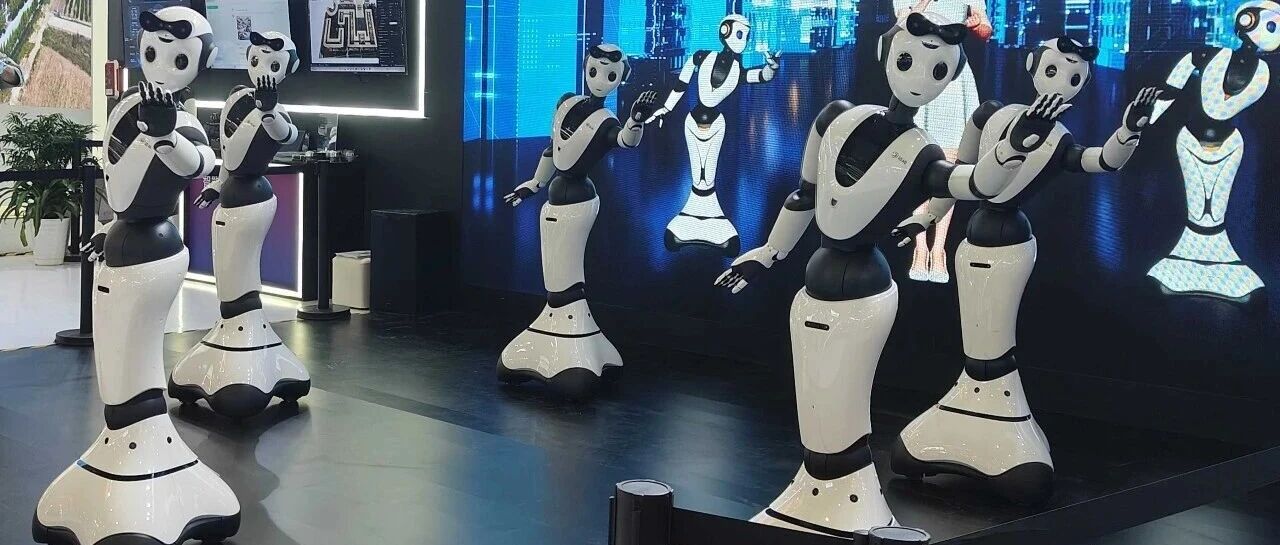
Core Insights - The emergence of consumer-grade quadruped robots, such as "Bobo" by Weita Power and "Rover X1" by Yuejiang, indicates a growing market for embodied intelligence in daily life, with Bobo's pre-sale generating over 10 million yuan on its first day [1] - The market for consumer quadruped robots is still in its infancy, facing challenges in defining their role as either high-end toys or practical household companions, which affects their stability, safety, intelligence, and pricing [1][14] - The transition from B2B to B2C in robotics requires a shift from demonstration capabilities to long-term companionship, necessitating advancements in technology and product reliability [1][12] Product Performance - In practical tests, B2B robots like those from Yushu and Yundongchu performed adequately but exhibited mechanical noise and rigidity, struggling in complex environments [2][7] - Consumer-grade robots, while more user-friendly, also face challenges in unstructured environments, leading to potential failures in following and stability [7][12] Technological Advancements - The performance of consumer-grade robots relies heavily on their computational power, with Weita Power's Bobo utilizing a 128 TOPS chip, surpassing some autonomous vehicles [7][12] - The focus on computational density rather than total computational power is crucial for navigating complex environments effectively [12][18] Market Challenges - The consumer quadruped robot market is hindered by issues in mass production and delivery, with many products still in the prototype stage and lacking consistent quality [14][18] - Weita Power plans to start mass production in January 2026, with user testing and batch deliveries scheduled for early 2026, highlighting the importance of cost and supply chain management [14][18] Strategic Considerations - Weita Power emphasizes the importance of mass production for product stability and has chosen to develop key components only when necessary, indicating a strategic approach to supply chain management [18] - Achieving a breakeven point of approximately 50,000 units is seen as critical for covering development and operational costs, which will influence the company's future commercialization efforts [18]