R1机器人

Search documents
中国机器人“刷屏”CES
Di Yi Cai Jing Zi Xun· 2026-01-07 06:02
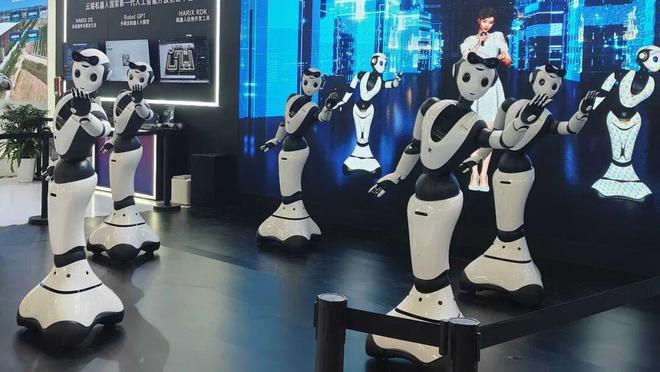
Core Insights - The CES 2026 in Las Vegas showcased a strong presence of Chinese humanoid robotics companies, indicating a shift from laboratory innovations to real-world applications [2][3] - The event highlighted the increasing popularity and competitiveness of Chinese robotics in the global market, with many companies making their debut at CES [3][6] Group 1: Company Highlights - Unitree Technology's booth attracted significant attention with a robot fighting demonstration, showcasing the capabilities of their G1 humanoid robots [3][5] - The debut of ZhiYuan Robotics featured a dancing humanoid robot, which captivated foreign audiences and emphasized China's innovative edge in robotics [6] - Fourier's "Care-bot" concept prototype aims to explore emotional companionship through a lightweight design, targeting over 2,000 medical institutions globally [10][11] Group 2: Market Trends - The event saw a notable focus on consumer-oriented (C-end) products, with companies like VITAPOWER introducing interactive four-legged robots that can autonomously follow users [10][15] - Magic Atom reported that over 60% of its revenue comes from overseas, highlighting the global demand for their robots, including the MagicBot Gen1 for industrial applications [15] - Companies are leveraging CES for brand exposure and to secure overseas orders, aiming to establish a foothold in international markets [15]


中国机器人“刷屏”CES
第一财经· 2026-01-07 05:49
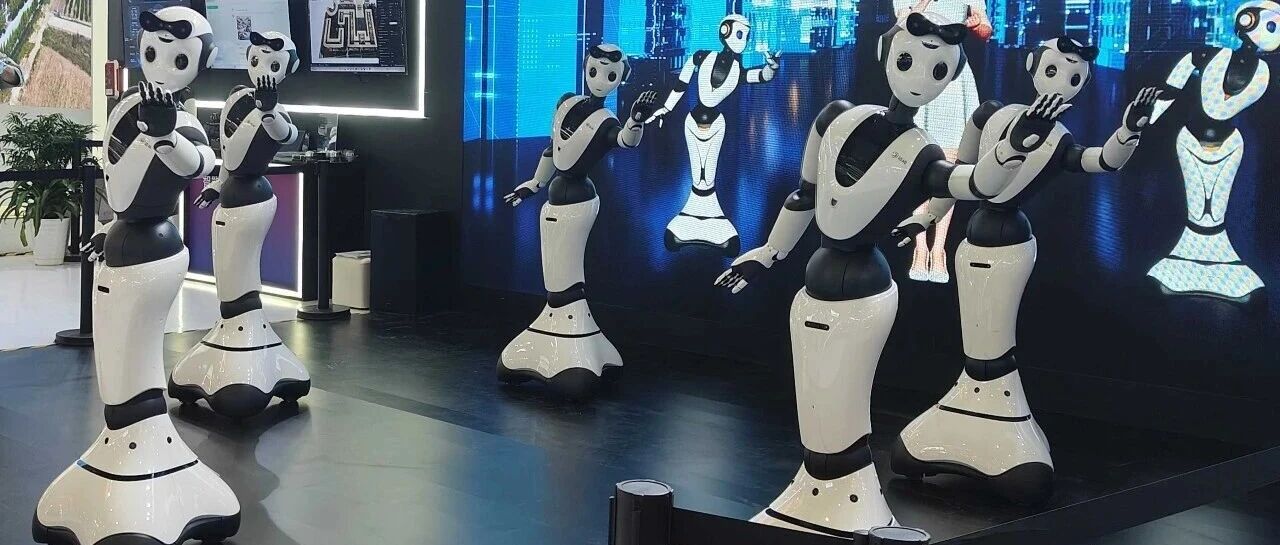
Core Viewpoint - The article highlights the significant presence and impact of Chinese humanoid robotics companies at CES 2026, showcasing their advancements and market readiness, indicating a shift from laboratory innovations to real-world applications [3][4]. Group 1: Event Highlights - At CES 2026, various Chinese embodied intelligence companies, including Unitree, Galaxy General, and Fourier, attracted considerable attention, with many participating for the first time [5][7]. - Unitree's booth featured a robot fighting competition that captivated the audience, demonstrating the engaging capabilities of their humanoid robots [5][7]. - The event showcased a variety of robots, including those performing synchronized exercises and demonstrating dexterity, such as a robot from Singapore that could pick up a lightweight flyer [7][8]. Group 2: Product Innovations - Fourier introduced a desktop "Care-bot" concept aimed at providing emotional companionship, designed for customization and interaction [13]. - Vitas Power's four-legged robot, Bobo, drew crowds with its interactive features and capabilities, including a maximum speed of 13.3 km/h and a load capacity of 12 kg [15]. - Magic Atom reported that over 60% of its revenue came from overseas in 2025, highlighting the global demand for their robots, including the MagicBot Gen1, which has been successfully implemented in industrial settings [17]. Group 3: Market Strategy - Many participating companies aimed to enhance brand visibility and secure overseas orders, focusing on expanding their presence in key markets such as North America, Europe, and the Middle East [17]. - Companies like Songyan Power are targeting significant market expansion, with plans to achieve a scale of a thousand units in the second quarter of the year [17].
拳脚、舞步与订单,中国机器人“刷屏”CES
Di Yi Cai Jing· 2026-01-07 05:12
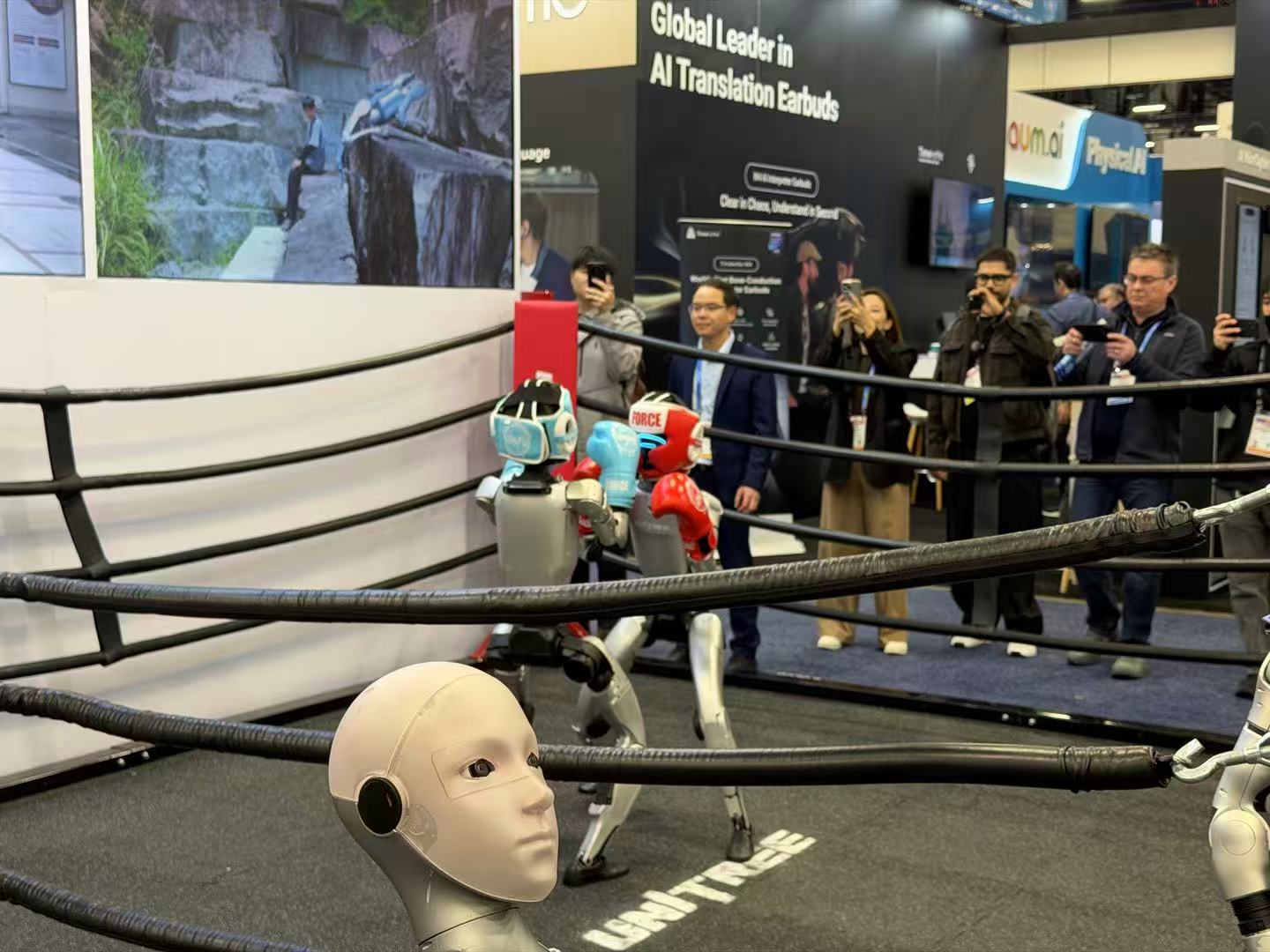
Core Insights - Chinese humanoid robots are gaining significant attention at CES 2026, showcasing advancements from laboratory concepts to real-world applications [1][2] - The presence of numerous Chinese companies at CES highlights the growing influence of China's robotics industry on the global stage [2][5] Group 1: Company Highlights - Companies like Unitree, Galaxy General, and Fourier are among the prominent Chinese exhibitors, with many participating for the first time [2][4] - Unitree's G1 humanoid robot engaged in a fighting demonstration, attracting a large audience and showcasing its competitive pricing with the R1 robot priced at $4,900 [4] - The debut of ZhiYuan's humanoid robot, which performed a dance, captivated foreign attendees, indicating a strong interest in Chinese robotic innovations [5] Group 2: Market Trends - The CES event is increasingly focusing on consumer-oriented (C-end) robotics, with products like Fourier's "Care-bot" designed for emotional companionship [9] - The four-legged robot Bobo from Weita Power allows for interactive experiences and is set to launch globally in Q2 2026, targeting markets in North America, Europe, and the Middle East [11] - Magic Atom reported that over 60% of its revenue comes from overseas, emphasizing the importance of international markets for Chinese robotics companies [13] Group 3: Industry Insights - The robotics industry is recognized for its reliance on Chinese supply chains, even among foreign companies, highlighting China's critical role in hardware manufacturing [13] - Many exhibitors at CES aim to enhance brand visibility and secure overseas orders, indicating a strategic push for international market penetration [13]
宇树首店将在京东MALL开业
Guan Cha Zhe Wang· 2025-12-30 03:13
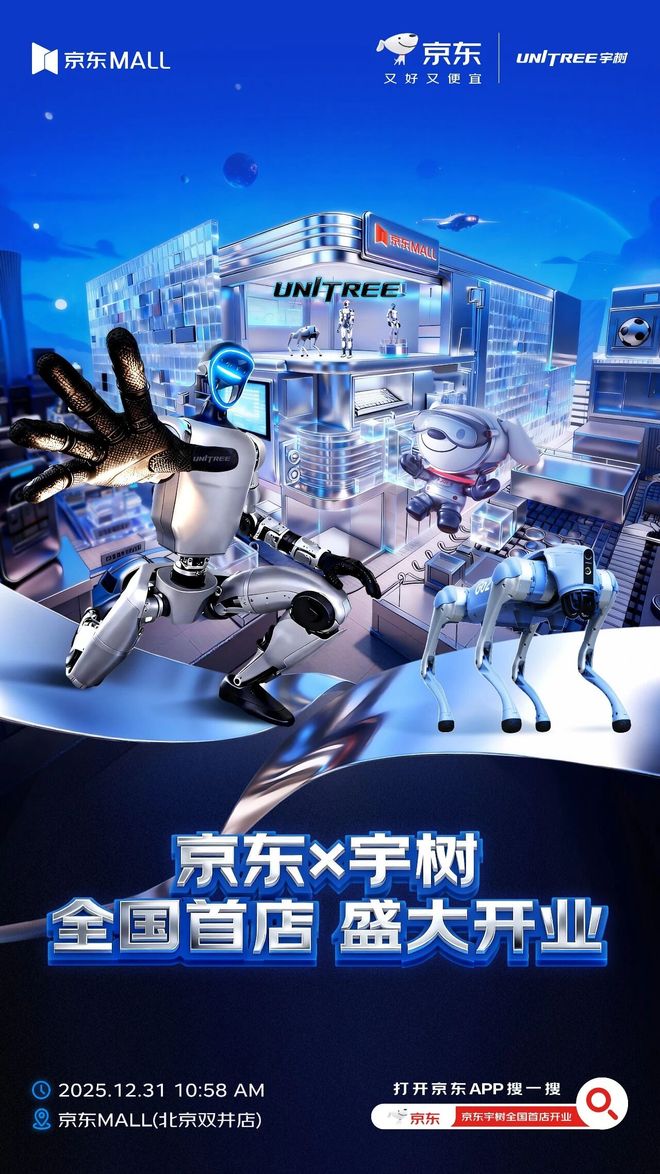
Group 1 - The first offline experience store of Yushu Technology, in collaboration with JD.com, is set to open on December 31, 2025, in Beijing's JD MALL [1] - The store will showcase various products including the G1 humanoid robot and the Go2 quadruped robot, allowing consumers to experience and purchase them on-site or order online for pickup or delivery [4] - Yushu Technology has launched multiple robots, with the G1 priced from 99,000 RMB, the R1 from 39,900 RMB, and the H1 at 650,000 RMB [4] Group 2 - The company introduced a new generation of bionic humanoid robot, the Unitree H2, in October 2025, which stands 180 cm tall and weighs 70 kg, resembling a human more closely [4] - Yushu Technology launched a humanoid robot application store named "App Store" on December 13, 2025, allowing users to download and deploy skills without programming [6] - The founder revealed that Yushu Technology's revenue exceeded 1 billion RMB in 2024, achieving continuous profitability, with its quadruped robots capturing approximately 69.75% of the global market share in sales [7] Group 3 - The company's IPO guidance work was completed on November 15, 2025, with plans to apply for a domestic listing [7]
独家丨98年清华博士辍学造机器人,一个月融了小5亿
投中网· 2025-11-26 01:33
Core Insights - The article discusses the recent financing of the humanoid robot company Songyan Power, which raised nearly 200 million yuan in a Pre-B+ round led by CICC Capital, with plans to enhance technological innovation and expand application scenarios [3] - The company has completed five rounds of financing in 2023, totaling nearly 500 million yuan, indicating strong investor interest in the humanoid robot sector [3] - Songyan Power aims to penetrate the consumer market by collaborating with "Programming Cat" to create a humanoid robot programming education lab, targeting tech enthusiasts and young learners [3] Financing and Growth - Songyan Power's recent financing round follows a previous Pre-B round of nearly 300 million yuan, showcasing rapid growth and investor confidence [3] - The company has a total financing amount of nearly 500 million yuan within a month, reflecting a strong upward trajectory in the humanoid robot industry [3] Strategic Direction - The company plans to leverage educational scenarios as a starting point to penetrate the consumer market, contrasting with the industry's focus on B-end applications [3] - The launch of the high-performance humanoid robot "Bumi" priced under 10,000 yuan is a strategic move to make humanoid robots more accessible to families [3] Founder Insights - The founder, Jiang Zheyuan, emphasizes the importance of connecting technology with market needs, reflecting a shift from a purely technical focus to a more market-oriented approach [4][5] - Jiang's entrepreneurial journey highlights the challenges faced by young founders in establishing credibility and navigating the business landscape [4][5] Market Positioning - The company positions itself as a pioneer in the low-cost humanoid robot market, aiming to expand the customer base by offering products at significantly lower prices compared to competitors [7][8] - Jiang believes that reducing the price of humanoid robots to below 10,000 yuan will open up a larger market segment, differentiating their approach from competitors who are engaged in price wars [8][9] Cost Management - The company focuses on optimizing design and production processes to achieve lower costs, with a significant portion of cost savings attributed to design decisions [10][11] - Jiang asserts that effective cost management is crucial for the company's success and is a top priority for leadership [10][11] Product Development - The development of "Bumi" was executed with high efficiency, reflecting the company's strong execution capabilities and commitment to rapid product development [12] - The product is designed to cater to both B-end (educational institutions) and C-end (families with children) markets, indicating a dual approach to market penetration [16] Competitive Landscape - Jiang acknowledges the presence of competitors like Yushun but emphasizes the unique market positioning and product differentiation of Songyan Power [21][24] - The company aims to avoid direct competition by targeting consumer markets, which are perceived as less saturated compared to traditional B-end markets [18] Future Outlook - The company anticipates strong sales growth, projecting to rank among the top in the humanoid robot industry by next year [29] - Jiang expresses confidence in the financial model, indicating that achieving sales of over 10,000 units will cover research and development costs [30] Industry Context - The article highlights the broader trends in the humanoid robot industry, including the potential for significant growth and the challenges of scaling technology to meet consumer needs [46] - Jiang reflects on the industry's evolution, noting that while the current market is competitive, there remains substantial room for innovation and market expansion [46]

新华社经济随笔:理念对了 就不怕山高路远
Xin Hua Wang· 2025-11-14 08:17
Group 1 - The establishment of a new thorium-based molten salt experimental reactor in China marks a significant advancement in nuclear fuel diversification, enabling the use of thorium, which is abundant in China, for safe and efficient power generation [1] - The successful conversion of thorium-uranium nuclear fuel in this reactor positions China as the only country globally to operate such a molten salt reactor with thorium fuel [1] - The integration of thorium fuel technology with energy storage and hydrogen production is expected to contribute to a low-carbon composite energy system [1] Group 2 - The ongoing technological revolution and industrial transformation necessitate a focus on innovation as the primary driving force for development, especially in the context of global competition for strategic innovation resources [2] - The construction of the Shanghai-Chongqing high-speed railway is set to enhance economic connectivity among major urban clusters, promoting industrial collaboration and efficient resource allocation across eastern, central, and western China [2] - Achieving coordinated development and leveraging regional advantages are essential for expanding the domestic economic cycle in a country with vast geographical and demographic diversity [2] Group 3 - The global challenges of climate change, resource depletion, and environmental pollution underscore the necessity of a green transition for sustainable development [3] - The emphasis on ecological civilization highlights the importance of long-term thinking and the need to prioritize green development as a foundation for future growth [3] - Collaborative efforts and maintaining supply chain integrity are crucial in navigating the complexities of global economic challenges, as emphasized in recent APEC meetings [3] Group 4 - China's commitment to opening up its economy is reflected in initiatives like the Hainan Free Trade Port and the high transaction volume at the recent China International Import Expo, indicating a growing alignment of interests with other countries [4] - The focus on equitable development outcomes aims to enhance the quality of life for all citizens, with community projects and cultural initiatives gaining traction [4] - The drive for shared development is seen as a means to foster national stability and individual happiness, aligning with the broader goals of national rejuvenation and strong country construction [4]
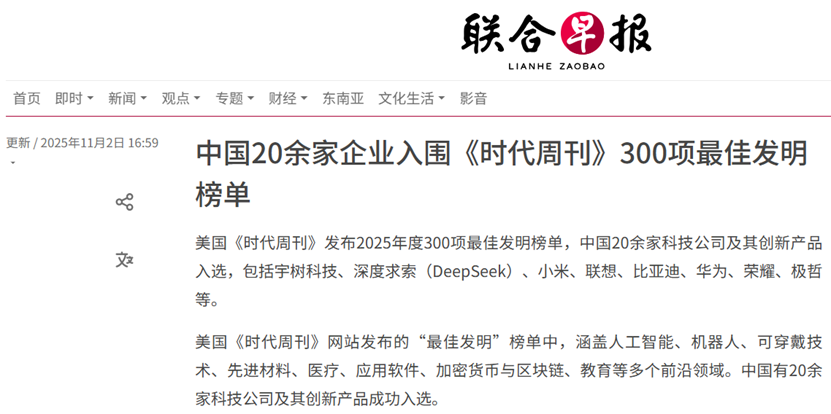
美媒评2025年度“300项最佳发明”,中国企业表现亮眼
Huan Qiu Wang· 2025-11-03 01:23
Group 1 - The core point of the article highlights the recognition of over 20 Chinese tech companies in the 2025 "300 Best Inventions" list by Time Magazine, showcasing significant advancements in various fields including AI, robotics, and wearable technology [1][3] - The list marks the largest scale in its history, indicating a growing influence of innovation from Chinese enterprises on a global stage [1] - Among the recognized companies, notable mentions include Yushu Technology, DeepSeek, Xiaomi, Lenovo, BYD, Huawei, Honor, and Jizhe, reflecting a diverse representation of the Chinese tech landscape [1] Group 2 - In the robotics sector, Yushu Technology's R1 robot has been highlighted for its innovative design, featuring a weight of approximately 25 kilograms and the ability to perform complex movements such as boxing and running, thanks to its advanced AI system [1] - The DeepSeek R1 model in the AI domain has gained attention for its performance comparable to top models from OpenAI, developed in just a few months with a training cost of $6 million, and it remains free for users unlike many foreign paid models [3]



宇树科技发布H2仿生机器人,首次融入仿生人脸元素
Guan Cha Zhe Wang· 2025-10-20 07:41
Core Insights - Unitree Technology has launched the H2 bionic humanoid robot, which stands 180 cm tall and weighs 70 kg [1] - The H2 robot demonstrates impressive agility and coordination, capable of performing basic movements like walking and dancing smoothly, as well as more complex actions such as punching and side-kicking [4] - The H2 features a significant design upgrade with the introduction of bionic facial elements, enhancing its human-like appearance [5] Product Features - The H2 robot is equipped with laser radar and bionic cameras for 360-degree environmental perception, and its motion control algorithms can adapt its gait to uneven surfaces [5] - The H2 is part of a broader product line that includes models R1, G1, and H1, with the H1 model also standing at 180 cm but weighing 47 kg [9] - The R1 and G1 models are shorter, at approximately 120 cm and 130 cm respectively, with varying price points: R1 starts at 39,900 yuan, G1 at 99,000 yuan, and H1 at 650,000 yuan [9] Market Context - The domestic robotics industry has seen significant growth, with an average growth rate of 50% to 100% among Chinese intelligent robotics companies this year [6] - Unitree Technology's algorithms have undergone several iterations this year, leading to substantial improvements in robot stability and performance [6] - The company plans to submit its listing application to the stock exchange between October and December 2025, with operational data to be disclosed at that time [11]

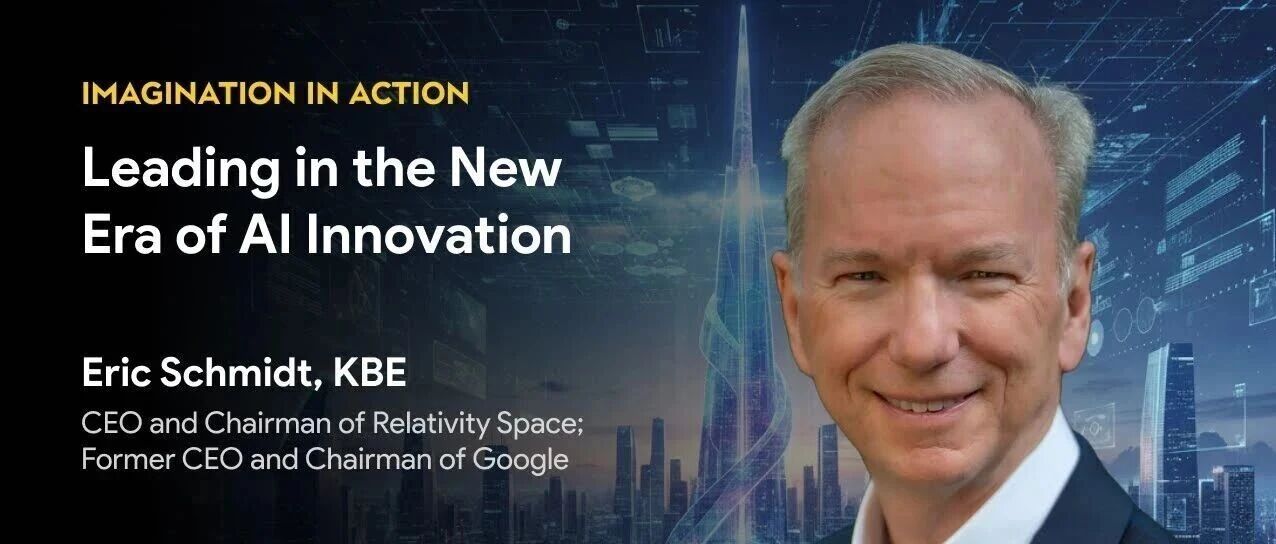
深度|谷歌前CEO:人形机器人或将由中国主导;世界将被廉价的中国机器人淹没,就像它将被廉价的中国电动汽车淹没一样
Z Potentials· 2025-10-03 02:09
Core Insights - The article discusses the competition between the US and China in the field of artificial intelligence (AI), emphasizing the differing approaches and potential outcomes of this rivalry [3][4][5]. - Eric Schmidt highlights the importance of energy supply in the US's ability to leverage its advantages in AI and AGI, suggesting that without sufficient energy, the US may struggle to maintain its lead [5][8]. - The conversation also touches on the potential risks associated with AI, including misinformation, cybersecurity threats, and biological safety concerns, and the need for proactive measures to mitigate these risks [9][10][11]. AI Competition - The US is perceived to be pursuing advanced AI and AGI, while China focuses on applying AI across various products and services in a more traditional manner [4]. - Schmidt believes that the hardware restrictions imposed by the US on China will hinder China's competitiveness in the AI race [4]. - The US has advantages in software development, but China is expected to dominate in the robotics sector, similar to its success in electric vehicles [6][7]. Energy Constraints - The US faces significant energy supply challenges, which could limit its ability to fully utilize its advantages in AI and AGI [5][8]. - Schmidt notes that the US will need to build an additional 92 gigawatts of power generation capacity by 2030 to meet the demands of data centers, highlighting the urgency of addressing energy supply issues [8]. AI Risks and Mitigation - The article discusses the potential for AI-related disasters and the importance of learning from past crises to implement effective regulations and controls [9][10]. - Schmidt identifies misinformation, cybersecurity, and biological safety as key threats that need to be addressed proactively [10][11]. Recommendations for Founders - Schmidt advises founders to focus on rapid action and learning, emphasizing that the barriers to starting a company are lower than ever [16][17]. - He stresses the importance of building scalable platforms that can leverage network effects to create significant wealth for founders [19][20]. Historical Significance - The emergence of AI is compared to historical inventions like electricity and transportation, suggesting that the next decade will be crucial in shaping the future [21][22]. - Companies and nations that embrace AI will likely emerge as winners, while those that lag behind may face significant challenges [22].

云姨夜话丨当“人”喝下机器人调制的一杯科技范儿的鸡尾酒之后
Qi Lu Wan Bao· 2025-09-15 10:30
Core Insights - The article discusses the recent Bund Conference, highlighting its focus on the future of human-machine coexistence and the advancements in artificial intelligence [5][6][9] Industry Trends - The Bund Conference attracted 61,000 attendees on-site and over 20 million online viewers, indicating a strong interest in AI and technology [5] - Richard Sutton, a Turing Award winner, emphasized that AI is entering an "experience era," where continuous learning and new data sources are crucial for future advancements [6][9] - A McKinsey survey revealed that 92% of executives plan to increase AI investments in the next three years, showcasing a significant trend towards AI integration across industries [6] Company Developments - The conference featured immersive exhibition areas focusing on AI applications in health, transportation, finance, and agriculture, demonstrating the practical integration of AI in various sectors [6][8] - Over 1,500 job positions were offered by more than 50 companies, with a 50% increase in available positions compared to the previous year, reflecting the growing demand for talent in AI and related fields [8] Technological Innovations - The event showcased various robots and AI technologies, including cocktail-making robots and humanoid performers, highlighting the advancements in robotics and AI capabilities [8] - Discussions at the conference pointed towards a shift in organizational dynamics, where the role of talent is evolving from problem solvers to co-creators with AI [6][10]