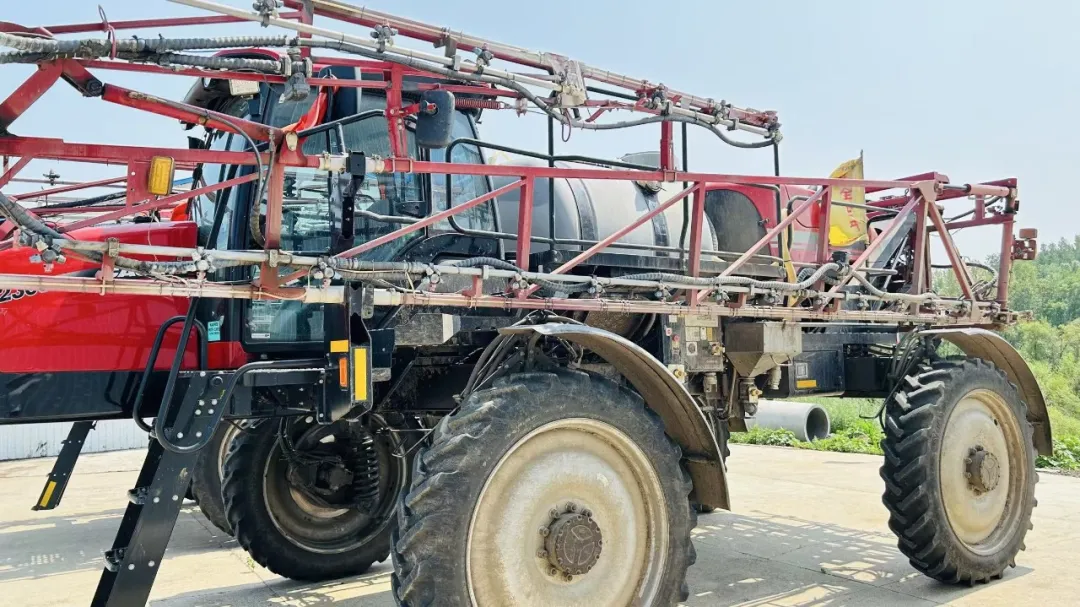
大疆T60

Search documents
日入2千的飞手,为何集体逃离?
虎嗅APP· 2025-10-09 10:54
Core Viewpoint - The article discusses the rapid development and challenges of the agricultural drone industry in China, highlighting the experiences of drone operators (referred to as "flyers") and the implications of technology on traditional farming practices [4][5][6]. Group 1: Agricultural Drone Industry Overview - China is the largest country in terms of agricultural drone application, with over 2.1 billion acres of operations annually, accounting for 98% of the entire drone industry's flight hours [5]. - The agricultural drone market has grown into a billion-dollar industry since 2015, with increasing hardware and application development [11][14]. - The profession of drone operators is evolving, with many individuals transitioning from traditional farming roles to become skilled drone pilots [20]. Group 2: Experiences of Drone Operators - Operators like Yang Ge have established small teams and travel across the country for work, with high demand in regions like Hainan, where they can earn around 2,000 yuan per day [12][13]. - The profession offers flexibility and independence, allowing operators to travel and work at their own pace, although they face unpredictable weather and long working hours [13][21]. - The entry of agricultural drones into the hands of ordinary farmers has changed the landscape, with many purchasing drones primarily for personal use and to offer services to neighbors [16][18]. Group 3: Challenges and Risks - The issue of pesticide drift poses significant challenges, leading to disputes between farmers and drone operators when chemicals affect unintended crops [24][26]. - Operators often face health risks due to prolonged exposure to pesticides, with many lacking proper medical insurance or support for occupational health issues [33][34]. - The industry is experiencing a price war, with service prices dropping significantly, making it difficult for operators to sustain profitable operations [36][38]. Group 4: Future Outlook - The agricultural drone industry is expected to continue evolving, with new technologies and business models emerging, but operators must navigate increasing competition and market saturation [40]. - The rise of new agricultural entities and changing land use patterns will further influence the dynamics of the drone operator profession [40].

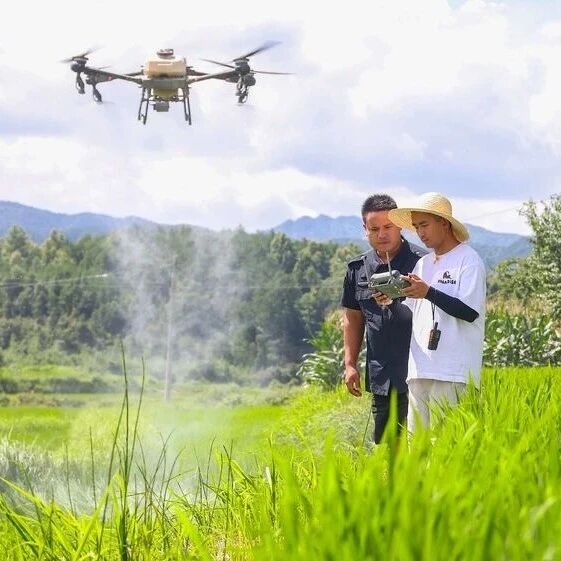
日入2千的飞手,为何集体逃离?
Hu Xiu· 2025-10-09 07:51
Core Insights - The article discusses the rapid development and challenges of the agricultural drone industry in China, highlighting the experiences of drone operators, known as "flyers," and the evolving market dynamics [4][10][55] Group 1: Industry Overview - China is the largest country in terms of agricultural drone application, with over 2.1 billion acres of operations annually, accounting for 98% of the drone industry's flight hours [4] - The agricultural drone market has grown into a multi-billion dollar industry, with significant advancements in technology and widespread commercial promotion [10][16] - The industry is experiencing a shift where drones are becoming more accessible to small-scale farmers, contrasting with traditional high-cost agricultural machinery [16][17] Group 2: Flyer Experiences - Flyers often work seasonally across different regions, with some like Yang Ge earning a net income of around 2,000 yuan per day during peak seasons in places like Hainan [11][12] - The profession offers flexibility and independence, appealing to younger individuals from rural backgrounds who prefer not to engage in traditional farming [12][13] - However, flyers face significant physical demands and unpredictable work hours, often needing to work long hours during favorable weather conditions [13][28] Group 3: Market Dynamics - The agricultural drone service market is becoming increasingly competitive, leading to price wars that have driven down service fees to as low as 2.5 yuan per acre, often below operational costs [51][52] - Many flyers are struggling to recoup their investments in drones due to high competition and rapid technological advancements that lead to frequent updates and obsolescence of equipment [20][21][50] - The market is also seeing a trend where flyers are diversifying their services, with some forming teams to handle larger government contracts and others focusing on niche markets [52][55] Group 4: Challenges and Risks - The issue of pesticide drift poses significant risks for both farmers and flyers, leading to potential legal disputes and financial liabilities [31][32][39] - Flyers often lack formal employment contracts, making them vulnerable to health risks without access to medical insurance or compensation for occupational hazards [46][47] - The industry is facing a growing concern over environmental ethics, with reports of pesticide-related ecological damage, highlighting the need for better regulations and practices [41][42]