
农业4.0

Search documents
日入2千的飞手,为何集体逃离?
虎嗅APP· 2025-10-09 10:54
Core Viewpoint - The article discusses the rapid development and challenges of the agricultural drone industry in China, highlighting the experiences of drone operators (referred to as "flyers") and the implications of technology on traditional farming practices [4][5][6]. Group 1: Agricultural Drone Industry Overview - China is the largest country in terms of agricultural drone application, with over 2.1 billion acres of operations annually, accounting for 98% of the entire drone industry's flight hours [5]. - The agricultural drone market has grown into a billion-dollar industry since 2015, with increasing hardware and application development [11][14]. - The profession of drone operators is evolving, with many individuals transitioning from traditional farming roles to become skilled drone pilots [20]. Group 2: Experiences of Drone Operators - Operators like Yang Ge have established small teams and travel across the country for work, with high demand in regions like Hainan, where they can earn around 2,000 yuan per day [12][13]. - The profession offers flexibility and independence, allowing operators to travel and work at their own pace, although they face unpredictable weather and long working hours [13][21]. - The entry of agricultural drones into the hands of ordinary farmers has changed the landscape, with many purchasing drones primarily for personal use and to offer services to neighbors [16][18]. Group 3: Challenges and Risks - The issue of pesticide drift poses significant challenges, leading to disputes between farmers and drone operators when chemicals affect unintended crops [24][26]. - Operators often face health risks due to prolonged exposure to pesticides, with many lacking proper medical insurance or support for occupational health issues [33][34]. - The industry is experiencing a price war, with service prices dropping significantly, making it difficult for operators to sustain profitable operations [36][38]. Group 4: Future Outlook - The agricultural drone industry is expected to continue evolving, with new technologies and business models emerging, but operators must navigate increasing competition and market saturation [40]. - The rise of new agricultural entities and changing land use patterns will further influence the dynamics of the drone operator profession [40].

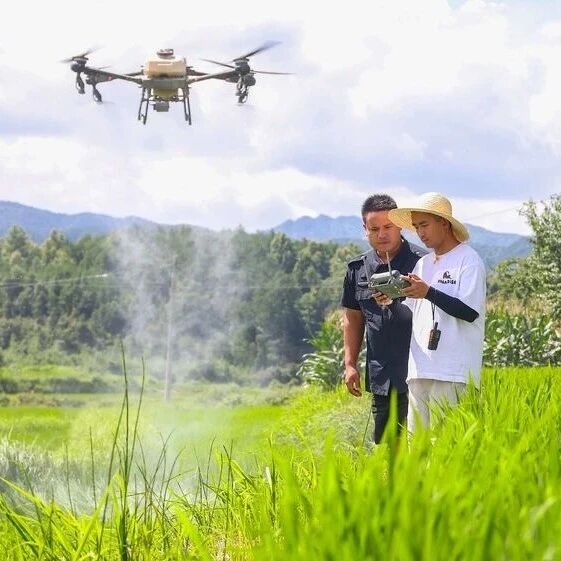
日入2千的飞手,为何集体逃离?
Hu Xiu· 2025-10-09 07:51
Core Insights - The article discusses the rapid development and challenges of the agricultural drone industry in China, highlighting the experiences of drone operators, known as "flyers," and the evolving market dynamics [4][10][55] Group 1: Industry Overview - China is the largest country in terms of agricultural drone application, with over 2.1 billion acres of operations annually, accounting for 98% of the drone industry's flight hours [4] - The agricultural drone market has grown into a multi-billion dollar industry, with significant advancements in technology and widespread commercial promotion [10][16] - The industry is experiencing a shift where drones are becoming more accessible to small-scale farmers, contrasting with traditional high-cost agricultural machinery [16][17] Group 2: Flyer Experiences - Flyers often work seasonally across different regions, with some like Yang Ge earning a net income of around 2,000 yuan per day during peak seasons in places like Hainan [11][12] - The profession offers flexibility and independence, appealing to younger individuals from rural backgrounds who prefer not to engage in traditional farming [12][13] - However, flyers face significant physical demands and unpredictable work hours, often needing to work long hours during favorable weather conditions [13][28] Group 3: Market Dynamics - The agricultural drone service market is becoming increasingly competitive, leading to price wars that have driven down service fees to as low as 2.5 yuan per acre, often below operational costs [51][52] - Many flyers are struggling to recoup their investments in drones due to high competition and rapid technological advancements that lead to frequent updates and obsolescence of equipment [20][21][50] - The market is also seeing a trend where flyers are diversifying their services, with some forming teams to handle larger government contracts and others focusing on niche markets [52][55] Group 4: Challenges and Risks - The issue of pesticide drift poses significant risks for both farmers and flyers, leading to potential legal disputes and financial liabilities [31][32][39] - Flyers often lack formal employment contracts, making them vulnerable to health risks without access to medical insurance or compensation for occupational hazards [46][47] - The industry is facing a growing concern over environmental ethics, with reports of pesticide-related ecological damage, highlighting the need for better regulations and practices [41][42]
打造农业4.0智慧平台
Shen Zhen Shang Bao· 2025-09-22 07:07
Core Viewpoint - The company, Shenzen Shulian Tianxia, is leveraging advanced technologies such as IoT, big data, and AI to empower the tea industry in Chaozhou, enhancing the entire supply chain through digital transformation [1][2]. Group 1: Technology Integration - The company has developed the C-Life big data comprehensive computing service platform, which integrates real-time data from 30 smart tea gardens, providing effective support for the tea industry [1]. - The integration of VR and AI technologies creates immersive experiences for users, showcasing the entire process from tea tree growth to production [1]. Group 2: Agricultural Focus - The company focuses on "life health," targeting three demographics: the elderly, children, and women's skin health, alongside "plant health" through AI-driven precision agriculture [2]. - It has developed various sensors and equipment to monitor soil, leaves, fruits, and environmental conditions, enabling comprehensive data collection throughout the crop lifecycle [2]. Group 3: Service Platform Development - The C-Life smart rural four-level service platform covers the entire agricultural value chain, promoting the transition from traditional agriculture to industrialized and digital production [3]. - The platform's structure includes layers for managing farmland, crop cultivation, industry services, and rural revitalization, aiming to enhance agricultural productivity and rural living standards [3]. Group 4: Case Study and Impact - In Lin Ying County, the company implemented a chili pepper industry chain project that transformed the local agricultural model, increasing land productivity and farmer income through innovative practices [4]. - The project introduced a new benefit-sharing mechanism, promoting a shift from single crop planting to an integrated industry model, thereby enhancing regional agricultural efficiency [4]. Group 5: Future Outlook - The company plans to deepen its "AI + agriculture" strategy, optimizing its big model technology system and expanding ecological service capabilities to support agricultural modernization and rural revitalization in China [5].
新创人平台升级为Web3.0架构,用户资产及收益将自动平移至EAIP生态系统
Jin Tou Wang· 2025-09-16 04:36
Core Insights - The company has experienced significant growth in user base and performance, particularly in the mainland China market, despite facing stringent security reviews that have impacted user experience [1] - The decision has been made to transition all operations to the EAIP platform, which aims to leverage decentralized technology to mitigate security concerns and enhance user experience [1] - The introduction of Web3.0 is expected to create diverse product scenarios and tap into a broader user base, potentially leading to explosive global market growth and greater returns for members [1] Summary by Sections User Experience and Security - The mainland market's increasing security scrutiny has affected user login and usage experiences, prompting the company to implement various security upgrades [1] - The company emphasizes that ensuring user asset safety and legal rights remains its top priority, regardless of the platform used [1] Transition to EAIP Platform - The EAIP platform represents a new strategic layout that combines the principles of Agriculture 4.0 with the benefits of Web3.0 [1] - The mapping process to the EAIP platform is set to occur from August 25, 2025, to September 25, 2025, during which all operations on the SCEA platform will be halted [4][5] User Asset Management - During the mapping period, users will be able to check their account balances and details, ensuring that their funds remain unchanged post-mapping [2] - All unprocessed withdrawals and red envelopes will be returned, and users' original asset totals will remain the same, with all earnings being mapped accordingly [3]
乔司计划 打造国家级农业中心
Mei Ri Shang Bao· 2025-06-26 23:31
Group 1 - The core concept of the news is the establishment of the Tianlifang Smart Science and Technology Park, which aims to integrate smart agriculture technologies and become a national-level agricultural demonstration center by 2027 [1][2] - The Smart Science and Technology Park will cover an area of approximately 40 acres, with a total construction area of about 100,000 square meters, including 80,000 square meters above ground and 20,000 square meters underground [2] - The park will focus on three main directions: smart manufacturing equipment, digital technology research and development, and the integration of primary, secondary, and tertiary industries, promoting breakthroughs in Agriculture 4.0 technologies [2][3] Group 2 - The park aims to attract high-quality resources from leading agricultural enterprises in the Yangtze River Delta, facilitating the transformation of agricultural technology achievements in the region [2] - The project will benefit from supportive policies, including a three-year gradual rent reduction for key enterprises and subsidies for technology research projects, with a maximum of 500,000 yuan available for applications [2] - The integration of traditional agriculture with digital technology will position the Smart Science and Technology Park as a key anchor for the development of smart agriculture in the region [3]