
大运河杭钢公园

Search documents
人文经济激活消费新动能丨当工业遗存成为文化地标——大运河杭钢公园焕新记
Xin Hua Wang· 2026-02-03 14:17
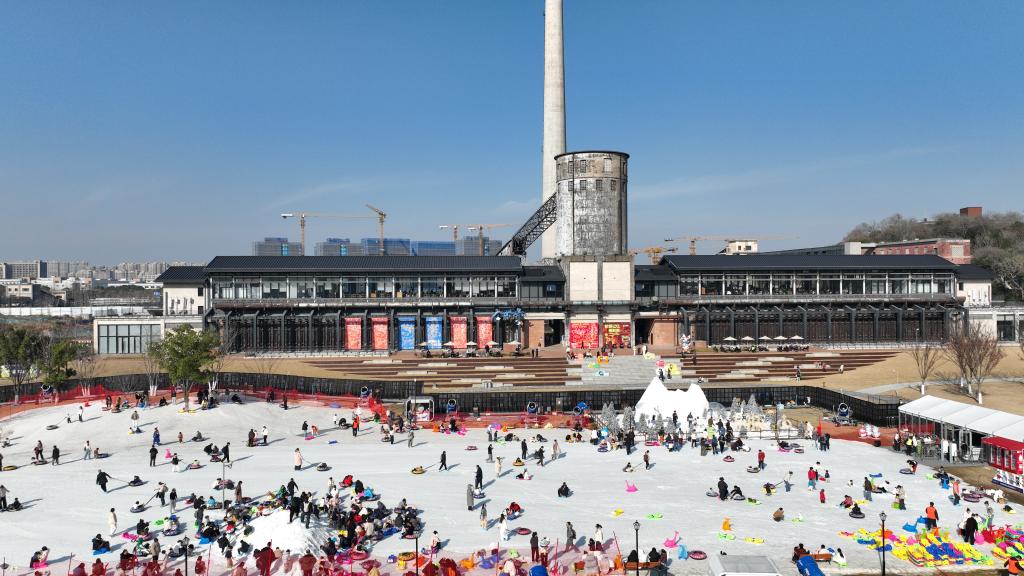
Core Insights - The transformation of the former Hangzhou Steel Plant into the Grand Canal Hanggang Park represents a shift from an industrial site to a cultural landmark, attracting significant visitor numbers and enhancing urban life [1][3][6] Group 1: Industrial Heritage and Urban Renewal - The Hangzhou Steel Plant, once a major steel producer with an annual output of 4 million tons, was closed in 2015, leaving behind a large area of industrial relics [3][6] - The redevelopment strategy focused on "protective renewal" and "innovative activation," preserving key industrial structures while integrating ecological restoration and cultural heritage [3][4] - The park features preserved industrial facilities, such as three blast furnaces and two coke ovens, which have been repurposed for modern uses, including art exhibitions and dining experiences [7][9] Group 2: Visitor Engagement and Economic Impact - The park is projected to attract 1.8 million visitors in 2025, creating a positive cycle of consumption and ecological improvement [10] - Diverse offerings, including winter festivals and youth amusement parks, cater to various demographics, enhancing year-round visitor engagement [10][12] - A total of 231 events are planned for 2025, including music festivals and creative markets, to maintain high visitor interest and engagement [10] Group 3: Future Development Plans - Plans for 2026 include outdoor leisure activities and night economy initiatives, aiming to further enhance urban vitality through cultural-driven updates [12]

工业遗存的“首演”效应
Mei Ri Shang Bao· 2025-12-04 23:14
Core Insights - The transformation of the former Hangzhou Steel Plant into the Grand Canal Hang Steel Park represents a successful urban renewal project that integrates industrial heritage with cultural tourism [1][8] - The park is set to officially open to the public in May 2024, revitalizing the area and enhancing local consumption through various events and activities [2][8] Industrial Heritage and Cultural Integration - The park spans 45,000 square meters of green space, serving as a venue for large-scale music festivals and cultural events, thereby activating consumer engagement [2][3] - Notable events include the first large-scale electronic music festival in Zhejiang, which significantly boosted local consumption, generating 108 million yuan during the 2025 Hangzhou Oxygen Music Festival [2][3] Economic Development Strategy - The Hangzhou Canal Tourism Group aims to innovate business models by combining industrial heritage preservation with new economic activities, focusing on attracting flagship stores and new product launches [3][4] - The park has hosted multiple international brand launches, showcasing its unique value as a venue for high-profile events [4][5] Diverse Consumption and Experience Enhancement - The park's "Park +" model extends its economic impact into various consumer sectors, including technology and cultural exhibitions, enhancing the overall visitor experience [5][6] - The introduction of family-friendly facilities, such as a newly opened amusement park, has increased foot traffic and engagement, with over 20,000 visitors on its first weekend [7] Public Service and Community Engagement - The park emphasizes community service by providing extensive free parking hours and affordable night parking, addressing visitor concerns and enhancing accessibility [7] - Innovative navigation systems incorporating industrial elements have been developed to improve visitor experience, merging cultural immersion with modern technology [7]

千年运河展新姿——杭州高标准建设大运河国家文化公园标志性项目
Hang Zhou Ri Bao· 2025-09-22 09:09
Core Perspective - The article highlights the ongoing development of the Grand Canal National Cultural Park in Hangzhou, emphasizing its integration of historical preservation and modern urban development, aiming to create a vibrant cultural and tourism hub along the canal [1][5]. Group 1: Key Projects - The Grand Canal Hanggang Park preserves industrial relics while transforming them into cultural spaces, enhancing visitor engagement through innovative design and programming [2]. - The Grand Canal Waterfront Public Space project has added approximately 400,000 square meters of green space and 12 kilometers of connected pathways, improving accessibility and recreational opportunities [2]. - The China Jinghang Grand Canal Museum is nearing completion, with its unique architectural design symbolizing a "floating ship" on the canal, set to be finished by the end of 2025 [3]. Group 2: Urban and Cultural Integration - The night lighting project along the canal has upgraded the existing lighting system, reducing overall energy consumption by 46% while enhancing the aesthetic appeal of the canal at night [3]. - The historical cultural district enhancement project employs gentle methods to update old buildings and public spaces, preserving the area's historical character while improving its livability [4]. - The integration of parks, museums, and historical streets creates a vibrant urban experience, attracting both locals and tourists to explore the cultural richness of Hangzhou [5]. Group 3: Strategic Importance - The development of these key projects is aligned with national policies aimed at cultural preservation and urban renewal, positioning Hangzhou as a model for sustainable urban development and cultural tourism [5]. - The ongoing efforts are part of a broader strategy to enhance the city's appeal and contribute to the goal of common prosperity, showcasing Hangzhou as a shining example of urban transformation [5].