工业遗存活化

Search documents
工业遗存里寻年味
Xin Lang Cai Jing· 2026-02-17 18:40
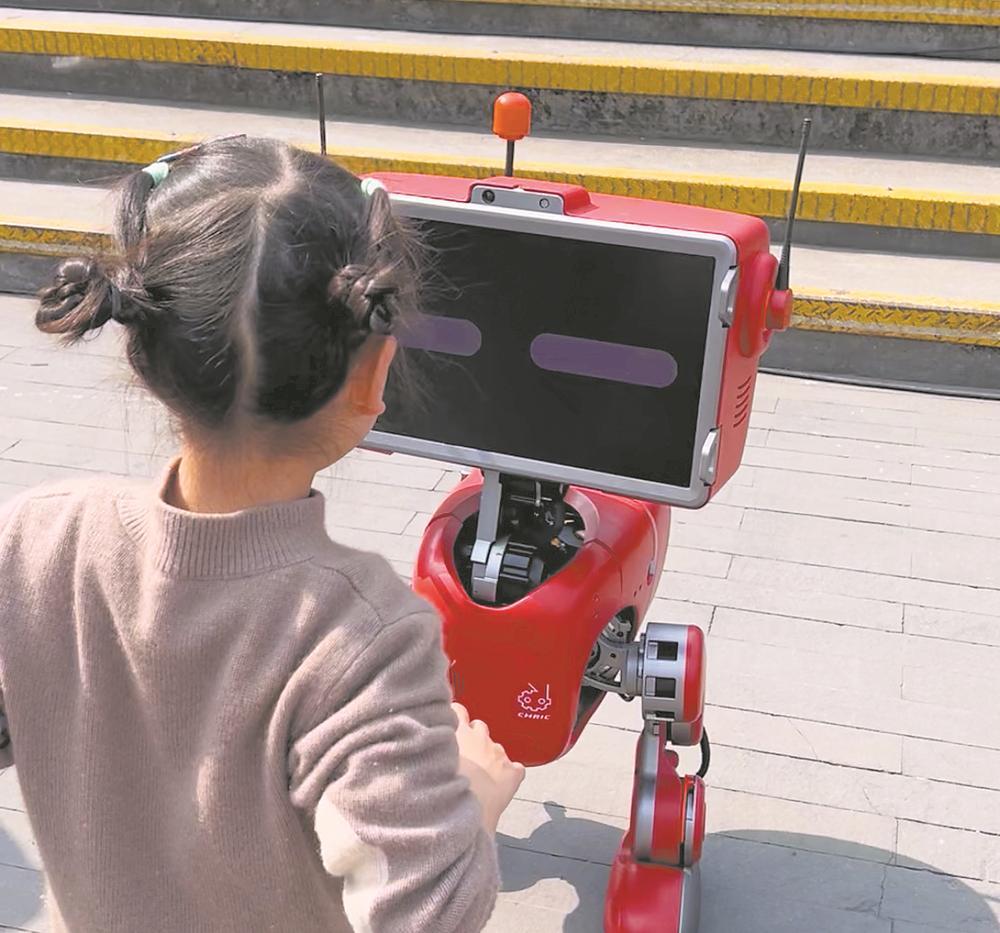
Core Viewpoint - The article highlights the transformation of the Dongjiao Memory industrial park in Chengdu into a vibrant cultural and creative space that blends traditional Chinese New Year celebrations with modern technology and artistic expressions [3][7]. Group 1: Cultural and Technological Integration - The Dongjiao Memory park showcases a unique blend of industrial heritage and contemporary creativity, featuring interactive robots and traditional crafts during the Spring Festival [3][5]. - The "Kanopu" robot demonstrates its capabilities by writing the character "Fu" (福) on red paper, showcasing the intersection of new technology and traditional art forms [3][4]. - The park will host the "2026 DIGI-PARK International Digital Light and Shadow Art Season," featuring nightly shows that combine sound, light, and historical narratives [5][6]. Group 2: Revitalization of Industrial Heritage - The park retains significant industrial elements, including three 65-meter chimneys and colorful pipelines, which contribute to its unique aesthetic and cultural identity [6]. - The area transforms into a cyberpunk art district at night, featuring immersive light installations that create interactive experiences for visitors [6]. - Dongjiao Memory serves as a cultural hub, hosting over 3,000 events annually and attracting more than 18 million visitors by 2025 [6]. Group 3: Community Engagement and Experience - The park's design allows for diverse experiences, catering to visitors of all ages through a combination of traditional crafts, digital art, and live performances [6][7]. - The integration of cultural heritage with modern expressions provides a warm and inviting atmosphere for the community during the festive season [7].

工业遗存焕新记
Xin Lang Cai Jing· 2026-02-07 23:55
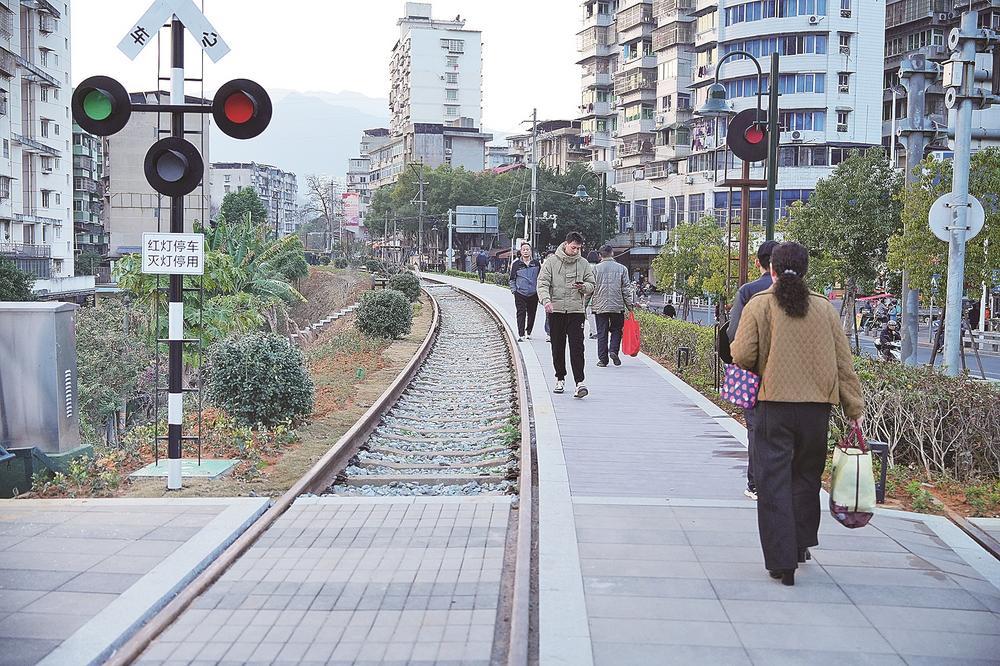
Core Viewpoint - The revitalization of industrial heritage sites in Nanping, particularly through the establishment of the Nan Paper 1958 Entrepreneurship Park and the "Yuanping 1958 Shiguang Station" railway park, is transforming these areas into vibrant cultural and economic hubs, attracting both local residents and tourists [2][4]. Group 1: Nan Paper 1958 Entrepreneurship Park - The Nan Paper 1958 Entrepreneurship Park has been developed to preserve the historical industrial landscape while fostering new business activities, with 25 enterprises currently operating within the park [4]. - The park serves as a significant symbol of Nanping's industrial history, marking the year 1958 when the Nan Paper factory was established, and it has become a focal point for community engagement and economic activity [3][4]. - The park has attracted various businesses, including a high-end knitwear company, which has seen a surge in orders, indicating a positive economic impact on the local community [3]. Group 2: Railway Park Development - The "Yuanping 1958 Shiguang Station" railway park, a 550-meter long green space, has been created from the former Nan Paper dedicated railway line, which ceased operations in 2018 [4][5]. - The park features a blend of historical and modern elements, including restored railway tracks, cultural walls, and landscaped areas, aimed at enhancing the urban environment and providing recreational space for residents [5]. - The transformation of the railway area involved community collaboration, resulting in the removal of illegal structures and the improvement of the local landscape, thereby addressing previous urban decay [5].
人文经济激活消费新动能丨当工业遗存成为文化地标——大运河杭钢公园焕新记
Xin Hua Wang· 2026-02-03 14:17
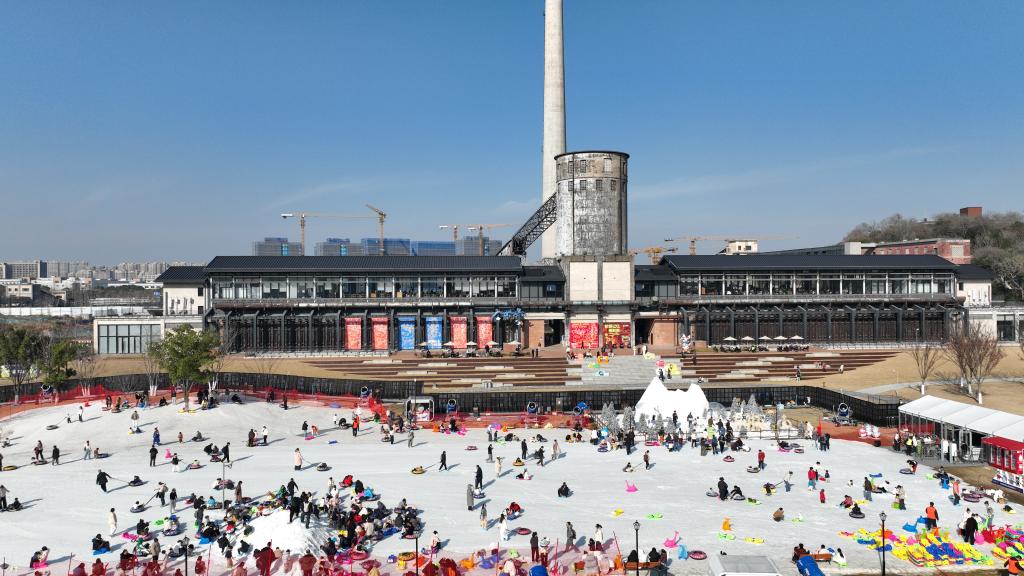
Core Insights - The transformation of the former Hangzhou Steel Plant into the Grand Canal Hanggang Park represents a shift from an industrial site to a cultural landmark, attracting significant visitor numbers and enhancing urban life [1][3][6] Group 1: Industrial Heritage and Urban Renewal - The Hangzhou Steel Plant, once a major steel producer with an annual output of 4 million tons, was closed in 2015, leaving behind a large area of industrial relics [3][6] - The redevelopment strategy focused on "protective renewal" and "innovative activation," preserving key industrial structures while integrating ecological restoration and cultural heritage [3][4] - The park features preserved industrial facilities, such as three blast furnaces and two coke ovens, which have been repurposed for modern uses, including art exhibitions and dining experiences [7][9] Group 2: Visitor Engagement and Economic Impact - The park is projected to attract 1.8 million visitors in 2025, creating a positive cycle of consumption and ecological improvement [10] - Diverse offerings, including winter festivals and youth amusement parks, cater to various demographics, enhancing year-round visitor engagement [10][12] - A total of 231 events are planned for 2025, including music festivals and creative markets, to maintain high visitor interest and engagement [10] Group 3: Future Development Plans - Plans for 2026 include outdoor leisure activities and night economy initiatives, aiming to further enhance urban vitality through cultural-driven updates [12]
探访郑州国棉三厂:非标商业如何盘活工业文化“情感资产”?
Sou Hu Wang· 2026-02-03 02:47
Core Insights - The project of Zhengzhou Guomian No. 3 Factory is gaining market attention due to its unique transformation of a large Soviet-style architectural complex into a cultural and commercial hub, covering approximately 73,000 square meters [1] Group 1: Core Assets - The project's uniqueness lies in its irreplaceable "industrial culture" and "collective memory," as the Zhengzhou Guomian factories were once the financial backbone of the city, with Guomian No. 3 Factory recognized as a "Flag Factory" [2] - The preservation of 21 Soviet-style buildings makes this site a "living fossil" of Zhengzhou's industrial era [2] - Industry experts note that this uniqueness is not a physical moat but an "emotional moat," solidifying shared historical memories into tangible spatial experiences, which possess strong emotional connectivity [4] Group 2: Business Model - Unlike traditional shopping centers that compete on brand quantity and sales per square meter, the success of non-standard commercial projects relies on precise positioning and unique experiences [5] - The project is positioned around "cultural innovation, youth fashion, and joyful living," with a "dual-driven" approach that builds a foundation of cultural value while achieving sustainable operations through commercial traffic [5] - The layout includes four thematic clusters: urban reception, leisure and entertainment, trendy experiences, and aesthetic living, aiming to create a consumption loop for history enthusiasts, trendy youth, and community residents [5] Group 3: Commercial Potential - The project's value extends beyond individual success to its regional impact, with approximately 795,000 residents within a 3-kilometer radius, indicating a solid customer base [7] - The project's historical experience theme complements nearby commercial entities like Zhongyuan Jinyi City and Zhongyuan Wanda Plaza, creating a natural synergy that enhances regional customer flow rather than engaging in zero-sum competition [7] Conclusion - The transformation of Zhengzhou Guomian No. 3 Factory serves as a significant case study in the integration of non-standard commercial ventures with industrial heritage revitalization, aiming to convert "sentiment" into sustainable business [9] - As the main construction nears completion and leasing efforts exceed a 90% signing rate, the project's business model has received positive market feedback, raising expectations for its role as a new engine driving commercial upgrades in Zhengzhou's western suburbs [9]
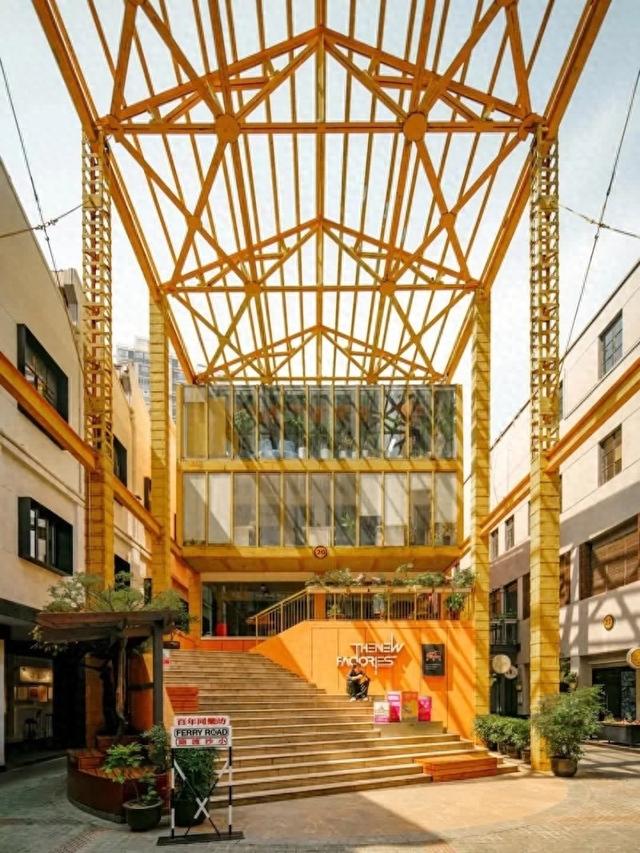
泗洪探索工业遗存活化模式拓宽城市有机更新路径
Xin Hua Ri Bao· 2026-01-22 21:47
Core Insights - The article discusses the urban renewal project in Sihong County, focusing on the transformation of the Wujin Factory into a vibrant entrepreneurial district, which has been recognized as a key project for urban renewal in the city since 2025 [1][2] Group 1: Urban Renewal and Development - The Sihong County Housing and Urban-Rural Development Bureau and Qingyang Street have initiated the Wujin Factory 1968 entrepreneurial district project, emphasizing the need for urban renewal and modern service industry development [1] - Over 3 million yuan has been invested in the renovation of the Wujin Factory, preserving its historical industrial features while upgrading its structural and utility systems to eliminate safety hazards [1] Group 2: Economic Impact and Community Engagement - The project has attracted over 20 quality merchants, achieving a space utilization rate of over 95%, creating more than 180 jobs, and increasing community collective economic income by over 2 million yuan annually [1] - The district has implemented a strict merchant entry quality control, limiting similar business types to three, and established an annual evaluation mechanism to encourage innovative operations among merchants [1] Group 3: Environmental and Community Enhancement - The renovation has revitalized 10 acres of land and 2,814 square meters of industrial relics, fostering a "core-driven, surrounding linkage" model that enhances the environment of nearby urban villages and back streets [2] - Improvements include enhanced greenery, cultural wall paintings, and better lighting, which collectively boost the area's attractiveness and support urban renewal efforts [2]
圆桌|工业遗存与城市更新中的“烟火社区”
Xin Lang Cai Jing· 2025-12-30 10:50
Core Viewpoint - The "smoky community" concept represents a warm and engaging aspect of urban development, focusing on the revitalization of industrial heritage into cultural, artistic, and commercial spaces [1] Group 1: Community Revitalization - The SEA-Hi! Forum 2025 highlighted the transformation of industrial relics in Shanghai's Jing'an District, showcasing diverse forms such as historical factories and warehouses as unique carriers of urban warmth [1] - Jing'an District has developed three characteristic areas: the southern area as "international top flow, Haipai classic," the central area as "cultural waterfront, vibrant model," and the northern area as "innovation-driven, ecologically livable" [1][12] Group 2: Industrial Heritage Transformation - The Tonglefang area, known for its "lane factories," has been revitalized into an open creative park, merging art, commerce, and community [3][4] - The M+ Mali factory, a century-old pigment factory, has been transformed to reflect an ecological atmosphere, featuring vertical greenery and interactive spaces [3][4] - The Suzhou River area has seen the introduction of cultural spaces like the Fotografiska photography museum, preserving historical architecture while creating an artistic hub [6][7] Group 3: Community Engagement and Events - The West Bund area is projected to attract nearly 20 million visitors in 2025, hosting over 500 events annually, including art fairs and extreme sports festivals, enhancing community engagement [16][19] - The West Bund's transformation is guided by a vision to create vibrant waterfront spaces and innovation hubs, integrating cultural, artistic, and technological elements [19][22] Group 4: Inclusive Urban Development - The forum emphasized the importance of inclusive urban renewal, focusing on fairness, justice, and diversity as core elements of community spaces [22] - The discussion included the need for urban spaces to cater to various demographics, including the elderly, children, and digital nomads, highlighting the adaptability of Shanghai's urban landscape [22]
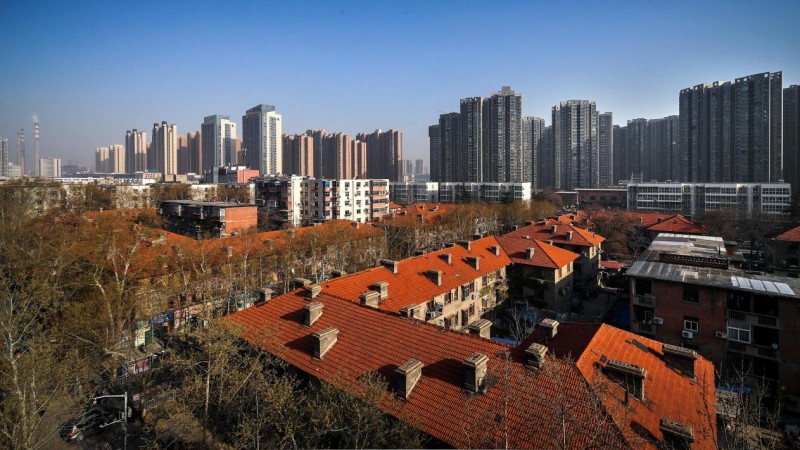
沙湖“双碳”带、大智门“文脉+”、青山“钢铁记忆街”……武汉城市更新“多点开花”吸引客商目光
Chang Jiang Ri Bao· 2025-12-19 01:35
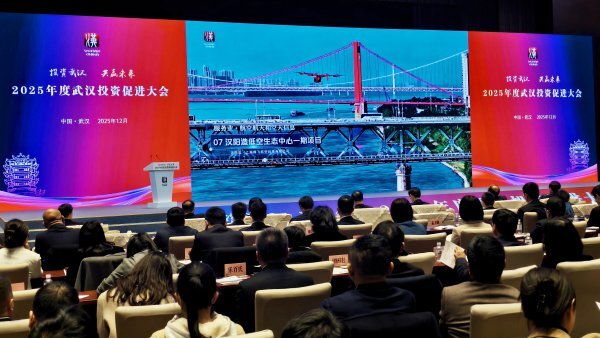
Core Insights - Wuhan is actively promoting urban renewal projects across various districts, focusing on integrating cultural heritage and modern industry to attract investment and enhance urban living conditions [1][5][6] Group 1: Urban Renewal Initiatives - The Shahu Ring Road in Wuchang District aims to create a "dual carbon" economic belt through the green transformation of existing buildings [1] - The Changchenghui building in Wuchang has undergone a green transformation, significantly reducing energy consumption and carbon emissions, serving as a model for business building green transformation [2] - The revitalization of historical sites, such as the Dazhimeng Railway Station, is part of a broader strategy to merge cultural heritage with modern commercial activities [3][5] Group 2: Economic Impact and Investment Attraction - The carbon industry in Wuhan has surpassed 10 billion yuan, supported by the establishment of over 460 demonstration enterprises in the area [2] - The transformation of old industrial sites, like the cold storage facility into high-end business buildings, exemplifies the revaluation of land space [2] - The Qing Shan Ancient Town has been recognized as one of the "Top Ten Urban Renewal Cases in the Country," highlighting its successful integration of cultural heritage and modern urban development [6] Group 3: Cultural and Historical Preservation - The renovation plans for the Cooperation Road area include restoring historical buildings and enhancing the operational management of the area to create a model for cultural tourism and industrial innovation [5] - The Qing Shan Ancient Town project emphasizes preserving historical architecture while revitalizing the area through structural updates and new business activities [6]