
天玑机器人

Search documents
骨科机器人国产跨越崛起,闭环生态定局全球未来
机器人大讲堂· 2026-03-01 04:52
Core Viewpoint - The orthopedic surgery robot market in China is poised for significant growth, with an expected annual increase of 8% in surgical volume, reaching over 3.52 million surgeries by 2025. However, the penetration rate of orthopedic surgical robots remains below 1%, far behind the anticipated 20% in the U.S. by 2026. This presents a substantial opportunity for domestic manufacturers to capitalize on the market gap [1]. Group 1: Market Dynamics - The aging population in China, with those aged 65 and above nearing 16%, is driving the demand for orthopedic surgeries [1]. - Currently, 23 provinces in China have included orthopedic robot-related costs in their fee schedules, with prices ranging from 8,000 to 40,000 yuan, indicating a decreasing self-pay ratio for patients [1]. - The orthopedic robot industry is expected to transition from a "technology validation period" to a "scale explosion period" due to improvements in payment policies, technological breakthroughs, and innovative business models [1]. Group 2: Technological Advancements - The core value of orthopedic robots lies in their ability to enhance surgical precision and address clinical challenges, significantly improving surgical efficiency and safety [4]. - Robots can reduce surgical time from 60-90 minutes to approximately 15 minutes, decrease X-ray exposure by about 70%, and lower the rate of screw misplacement in spinal surgeries from 15% to under 2% [5]. - The range of indications for robotic assistance is expanding, covering major surgical types such as spine, joint, and trauma surgeries, aligning well with the clinical needs of China's aging population [5]. Group 3: Domestic Market Trends - Domestic companies are increasingly replacing international giants in the orthopedic robot market, with significant advancements in core technologies [6]. - For instance, Yuanhua Intelligent's all-in-one orthopedic robot and Tianzhihang's robots have achieved international leading standards in precision and adaptability [6]. - Recent data indicates that domestic robots account for approximately 56% of sales volume and 36% of sales revenue in the past three years, driven by their compatibility with local procurement environments and cost advantages [9]. Group 4: Business Model Innovations - The success of international giants is attributed to their closed-loop ecosystem of "equipment + consumables + services," which has been less emphasized by early domestic companies [10]. - Recent shifts show that domestic firms like Tianzhihang and Aikang Medical are increasing their revenue from consumables and services, indicating a move towards a more sustainable business model [11]. Group 5: Future Outlook - The orthopedic surgical robot market in China is projected to grow at a CAGR of nearly 40% from 2025 to 2030, reaching a market size of 13.72 billion yuan, marking a golden development period for the industry [14]. - The competition will evolve from a focus on individual devices to a comprehensive ecosystem, necessitating domestic companies to break through technological barriers and establish a business model that meets both local and global market demands [14].


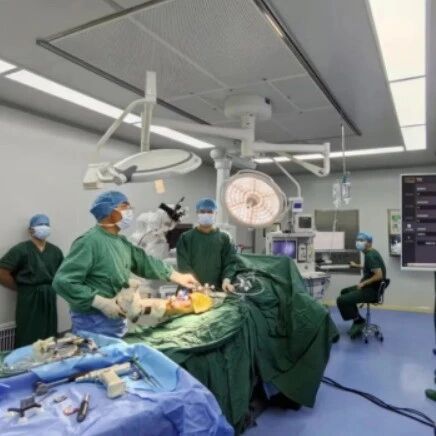
方正证券:国产骨科机器人持续跨越式成长 闭环生态是未来发展关键
智通财经网· 2025-12-01 08:30
Industry Insights - The continuous improvement in payment systems is expected to enhance the penetration of orthopedic robots, driven by the inclusion of orthopedic robot-related costs in medical insurance directories across 23 provinces in China, with pricing ranging from 8,000 to 40,000 yuan [1] - The aging population is leading to a sustained increase in demand for orthopedic surgeries, yet the penetration rate of orthopedic robots in China remains below 1%, significantly lower than in the U.S. market, primarily due to tight hospital budgets and complex procurement processes [1] Company Developments - Domestic orthopedic robots have reached performance levels comparable to imported models, with companies like Tianzhihang achieving international leading standards in precision for complex surgeries, particularly in the spine and pelvis [2] - The development of a closed-loop ecosystem involving "equipment + consumables + services" is crucial for profitability and international expansion for domestic companies, as it allows for diversified revenue streams and enhanced customer loyalty [2] Technological Advancements - Companies are focusing on the intelligent and diversified upgrade of robotic products, with an emphasis on developing a full range of orthopedic products and integrating AI and smart technologies through mergers and acquisitions to strengthen global competitiveness [3]
