学而思学习机T4

Search documents
2026开年最值得打卡的AI潮流大展,来了
3 6 Ke· 2025-12-29 10:46
Core Insights - The "Miao Wu·Zhi Qu" Alibaba Cloud Tongyi Smart Hardware Exhibition will take place from January 8 to 11, 2026, at the Shenzhen Sea World Cultural Arts Center, showcasing over 1,000 smart products across 76+ categories and 200+ exhibitors [1][7][53] - The event aims to provide immersive experiences of AI-driven lifestyles, featuring interactive spaces and activities for all age groups, emphasizing the integration of AI in daily life [2][6][22] Group 1: Event Overview - The exhibition will feature a wide range of smart products, including AI assistants for various demographics, enhancing experiences in home, work, travel, and entertainment [6][22] - Attendees can engage with cutting-edge technology, including the global debut of innovative "black technology" products [1][8] Group 2: Key Highlights - The exhibition will synchronize with the CES, ensuring timely releases of the latest AI products, allowing attendees to experience them firsthand [8] - The event will include an "AI buyer's store" that curates products with the powerful capabilities of the Tongyi model, ensuring quality and innovation [8] Group 3: Featured Products - Notable products include the Thunderbird V3 AI glasses, Wigain smart ring, eufyMake 3D texture UV printer, and the Micro Differential Intelligent Flying Robot, showcasing advancements in personal and professional technology [11][14][18] - Additional offerings include AI-powered fitness companions, educational tools, and health monitoring devices, catering to various user needs [39][48]


从“给答案”到“教动脑”:这届小学生被AI教会主动思考
量子位· 2025-11-11 04:24
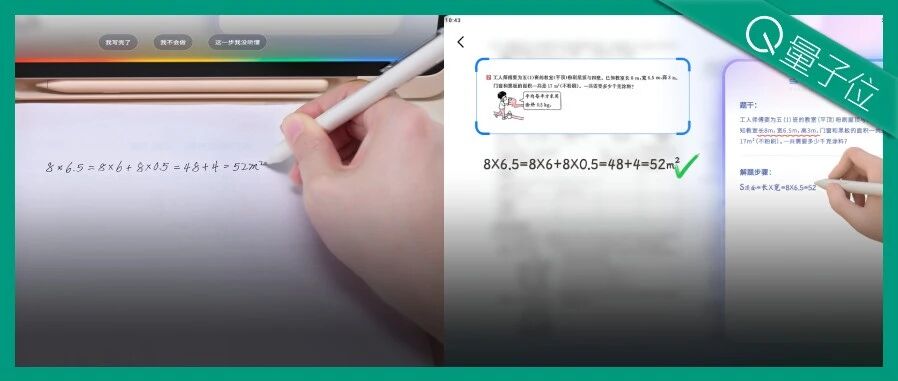
Core Viewpoint - The article discusses the evolution of AI in education, highlighting the transition from traditional tutoring methods to advanced AI-driven personalized learning experiences, exemplified by the "Xueersi Learning Machine T4" and its "Xiao Si AI 1-on-1" feature, which aims to enhance student engagement and understanding through interactive and adaptive teaching methods [2][38]. Group 1: Current AI Education Landscape - Various AI education products are emerging, including ChatGPT's learning mode and Google's "Learn Your Way" tool, indicating a growing trend in AI integration within education [2][4]. - Many existing AI education tools focus on efficiency, providing quick answers without addressing deeper understanding, leading to a cycle of rote learning and superficial engagement [2][10]. Group 2: Features of Xiao Si AI 1-on-1 - The "Xiao Si AI 1-on-1" feature represents a significant advancement, functioning as an interactive AI tutor that guides students through problem-solving rather than simply providing answers [4][10]. - It utilizes multimodal perception capabilities to understand both written and verbal inputs, creating a more immersive learning experience [5][10]. - The AI encourages students to write out problem-solving steps, providing real-time feedback and corrections, which fosters critical thinking and deeper comprehension [11][14]. Group 3: Personalized Learning Approach - Xiao Si adapts its teaching strategies based on individual student performance, adjusting the pace and methods to ensure effective learning [21][22]. - It generates dynamic learning profiles for each student, allowing for tailored educational experiences that move away from a one-size-fits-all approach [22][27]. Group 4: Technological Infrastructure - The integration of hardware and software is crucial for achieving low-latency, multimodal interactions, which are essential for creating a native AI teaching experience [30][31]. - The "Nine Chapters Model" (MathGPT) is employed for comprehensive subject tutoring, having received high-level certifications for its capabilities [34][36]. Group 5: Future of AI in Education - The industry is moving towards a model where AI can serve as a complete educational companion, potentially replacing traditional tutoring roles [39][42]. - The article outlines a framework for evaluating AI teachers, suggesting that current AI capabilities are approaching the L3 stage, indicating significant progress in personalized and interactive learning [41][44].