
宠物口粮

Search documents
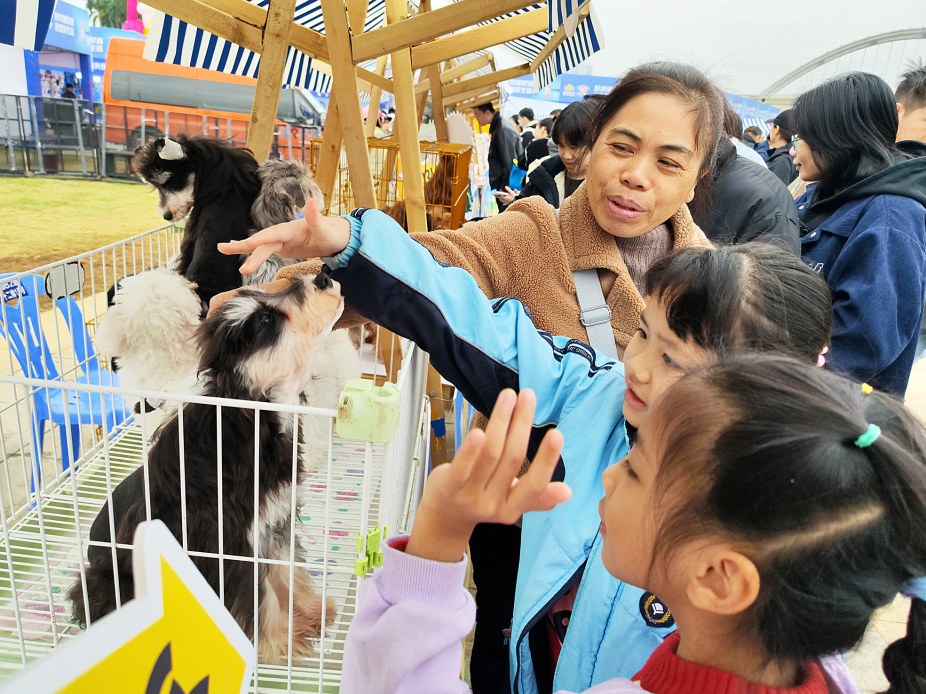
萌宠邂逅“果王” 解锁消费新场景
Xin Lang Cai Jing· 2025-12-28 01:58
Core Insights - The event "Pet Love Jiangnan · Durian Unforgettable" launched in Nanning's Jiangnan District focuses on the integration of the pet economy and the durian industry, aiming to stimulate consumption and create a unique consumer IP [5][6] - The event features various interactive experiences, including a "Cute Pet Durian Fashion Show" and multiple themed zones for pet products and durian tasting, enhancing consumer engagement [5][6] Group 1: Event Overview - The event commenced on December 27, 2025, at the Pavilion Pier, showcasing a blend of pet and durian elements [5] - It includes over 50 themed booths, clearly divided into areas for pet food tasting, smart pet products, and durian deep-processing experiences [5] Group 2: Consumer Engagement - The "Pet Love Durian Live Broadcast Room" allows consumers to shop online in real-time, enhancing the shopping experience by breaking spatial limitations [5] - A fun obstacle course for pets, aimed at engaging pet owners and their pets, was a popular attraction, promoting interaction and enjoyment [5] Group 3: Business Impact - Participating vendors reported positive feedback, highlighting the value of face-to-face interactions for product recommendations and increased sales conversion rates [6] - The event facilitated connections between Southeast Asian durian products and the pet economy consumer base, effectively broadening sales channels for businesses [6] - The event's organizers aim to create a unique consumer IP through the innovative crossover of pet and local agricultural products, enhancing the city's modern and inclusive image [6]

“超单身”时代已到来?已达2.4亿的单身人群,正在催生经济巨变
Sou Hu Cai Jing· 2025-11-12 11:25
Group 1 - The core viewpoint is that China's single population has surpassed 240 million, equivalent to the population of a medium-sized country, indicating a significant shift in marriage concepts and a social revolution impacting the consumer market [1] - The traditional family-oriented consumption model is being replaced by an individualistic "self-pleasure" trend, reshaping the underlying business logic [1][2] - The rise of single-person consumption is leading to a transformation in product offerings, moving from "large packaging" and "multi-functional" products to "miniaturization" and "precision" [2] Group 2 - Data from Meituan shows that single-person takeout orders have an annual growth rate exceeding 80%, reflecting the changing consumption patterns [2] - The trend of single-person consumption is not unique to China, as seen in Japan with the prevalence of single-person ramen and barbecue restaurants [5] - The explosion of mini home appliances, such as a 900% increase in lightweight fan sales and a 15-fold increase in demand for underwear washing machines, highlights the pursuit of "just enough" by single individuals [5] Group 3 - The emotional economy and self-investment are driving the single economy, shifting consumption from family responsibilities to self-pleasure, with the pet economy exemplifying this trend [8] - The pet consumption market in China is expected to reach 270 billion yuan by 2025, with many single individuals willing to spend on high-quality pet food [8] - Experience-based consumption is also on the rise, with activities like escape rooms and camping accounting for nearly 40% of single entertainment spending [10] Group 4 - The awakening of individual consciousness is reflected in the investment in oneself, becoming a new belief that transcends traditional family values [12] - The single society is not necessarily leading to isolation; instead, it is fostering a new social ecology based on interests and experiences [12] - The transition from blood and geographical ties to interest-based connections is redefining interpersonal relationship networks [14] Group 5 - The declining birth rate poses challenges for social security, with a predicted marriageable gender ratio of 119:100 by 2027, potentially solidifying the trend of singlehood [14] - International experiences, such as Japan's "desireless society," warn that without policy guidance, a single society may exacerbate aging and economic stagnation [16] - The economic transformation of the "super single era" is penetrating market intricacies, creating both commercial opportunities and new social governance challenges [17]
