宠物用品销售

Search documents
瑞派冲击港股IPO:宠物医疗十年整合,仍未走出“人力困局”
Hua Er Jie Jian Wen· 2026-01-19 10:09
Core Insights - The article discusses the recent submission of a prospectus by "Ruipai Pet Hospital," a national chain of pet medical service providers, to the Hong Kong Stock Exchange, marking a significant move into the pet medical market [2] - The domestic pet medical market is projected to have a CR5 of 15.4% by 2024, with Ruipai holding a 4.8% market share, ranking second [2] - Despite the industry's rapid expansion, challenges remain regarding profitability and standardization, raising questions about the maturity of the pet medical chain model [3][8] Market Overview - The pet medical sector is characterized by high consumer spending, with average treatment costs for cats and dogs at 2390 yuan and 2786 yuan respectively [4] - Ruipai's revenue from pet health management contributes approximately 90% of its income, with a gross margin slightly above 20% [5] - The industry has been in a "land grab" phase for over a decade, but fundamental issues regarding the viability of the pet medical chain model persist [3][12] Financial Performance - Ruipai's projected revenues for 2024 and the first half of 2025 are 1.76 billion yuan and 960 million yuan, with adjusted net profit margins of 4% and 7.7% respectively [3] - The average single visit expenditure increased from 409.3 yuan to 442.2 yuan in the first half of 2025, with gross margins rising from 23% to 24.8% [9] Operational Challenges - The pet medical industry lacks widespread insurance coverage, leading to direct consumer payment for most services [6] - High labor costs, which can account for nearly 50% of Ruipai's operational expenses, pose a significant challenge [10] - The industry faces a structural shortage of qualified veterinarians, impacting service quality and operational efficiency [10] Expansion Strategy - Ruipai has adopted a cautious approach to expansion, with a decrease in the number of hospitals from 580 to 538 in 2023 [15] - Future expansion will focus on small chain systems with integration potential, network supplements in core urban areas, and initial entries into untapped cities [15] - The company plans to encourage internal doctors to establish new clinics through an "elite entrepreneurship plan" and is considering a franchise model [15] Industry Dynamics - The pet medical market in China has a chain rate of 21.8%, which is close to the 30% in mature markets like the U.S., but the CR5 concentration is only 6.5% [14] - The industry is still in a developmental phase regarding revenue systems and standardized pricing, leading to significant variability in profitability [8][14] - The potential for growth exists in lower-tier cities, where the demand for systematic and chain-operated pet hospitals remains largely unmet [14]
大湾区最大宠物转诊中心落地 罗湖加速“它经济”产业发展
2 1 Shi Ji Jing Ji Bao Dao· 2026-01-17 08:11
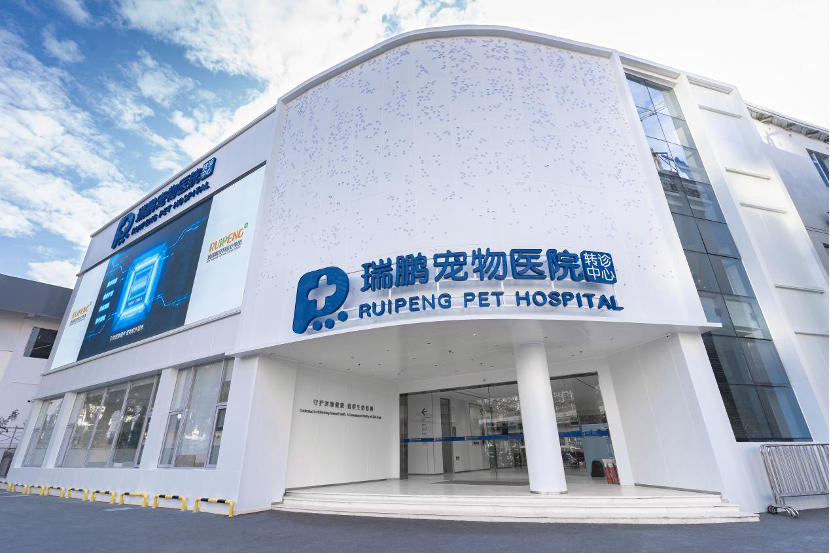
Core Insights - New Ruipeng Group's Shenzhen Referral Center officially opened, focusing on specialized pet medical services and aiming to be the largest referral center in the eastern Greater Bay Area [1][3] - The center offers 24-hour medical services, comprehensive specialty coverage, and advanced diagnostic capabilities, addressing the growing demand for high-quality pet healthcare in the region [3][5] Group 1: Company Overview - New Ruipeng Group has developed over 1,000 pet hospitals across China since establishing its first hospital in Luohu in the 1990s [1] - The company is positioned to leverage local government support and favorable policies to enhance its operations and service offerings in the pet healthcare sector [3] Group 2: Industry Development - Shenzhen is actively promoting a pet-friendly city initiative, aiming to establish a complete pet industry chain by 2026, with Luohu district implementing measures to support the pet economy [5] - By 2025, Luohu is projected to host 404 businesses focused on pet-related services, including 26 animal medical institutions, contributing to the growth of the local pet economy [5] Group 3: Future Outlook - The focus will be on strengthening collaboration among upstream and downstream enterprises, enhancing traditional pet medical services, and advancing towards high-end and intelligent pet industry solutions [6]