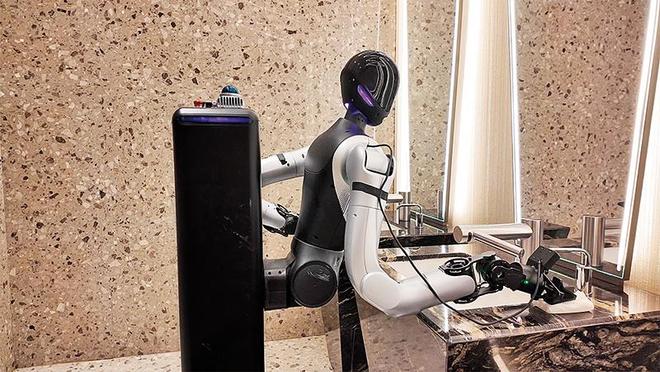
家政AI助理

Search documents
瞭望 | 人工智能拓展家政服务新边界
Xin Hua She· 2026-02-02 08:40
Core Insights - The domestic elderly care robot market has surpassed 30 billion yuan in 2024 and is expected to reach 50 billion yuan by 2025, indicating significant growth potential in the sector [6][12] - The integration of AI into the housekeeping industry is transforming traditional services, creating a new ecosystem characterized by efficiency, personalization, and warmth [1][6] Market Overview - The national housekeeping service market has exceeded 1.2 trillion yuan in 2024, with over 30 million workers, reflecting a growing demand for services [2] - The elderly population aged 60 and above is projected to reach 320 million by the end of 2025, accounting for 23% of the total population, driving the demand for intelligent health products [6][7] Technological Advancements - AI technologies, particularly large language models and embodied intelligence, are enabling the transition of the housekeeping industry from a labor intermediary to a modern service industry [7][8] - Companies are developing AI applications that provide 24/7 consultation and personalized matching of service providers to consumer needs, addressing the challenges of finding suitable housekeeping services [4][6] Product Innovations - New products like a baby digestion recorder and elder care robots are being introduced, which can monitor health indicators and provide companionship, enhancing the quality of care [2][4] - The "Xiao Li" elder companion robot is being deployed in various settings, including nursing homes and communities, focusing on safety, health, and companionship for the elderly [4][5] Industry Challenges - The current stage of "AI + housekeeping" is still in its infancy, with challenges such as improving core technologies, reducing costs, and ensuring data privacy [10][11] - The high cost of key components and the need for a mature supply chain are significant barriers to widespread adoption of AI products in households [11] Policy Support - Government initiatives are promoting the digital transformation of the housekeeping industry, encouraging the use of AI and big data to enhance service quality and efficiency [8][9] - Local governments are implementing supportive policies to foster collaboration between housekeeping companies and technology firms, aiming to develop customized solutions [9]