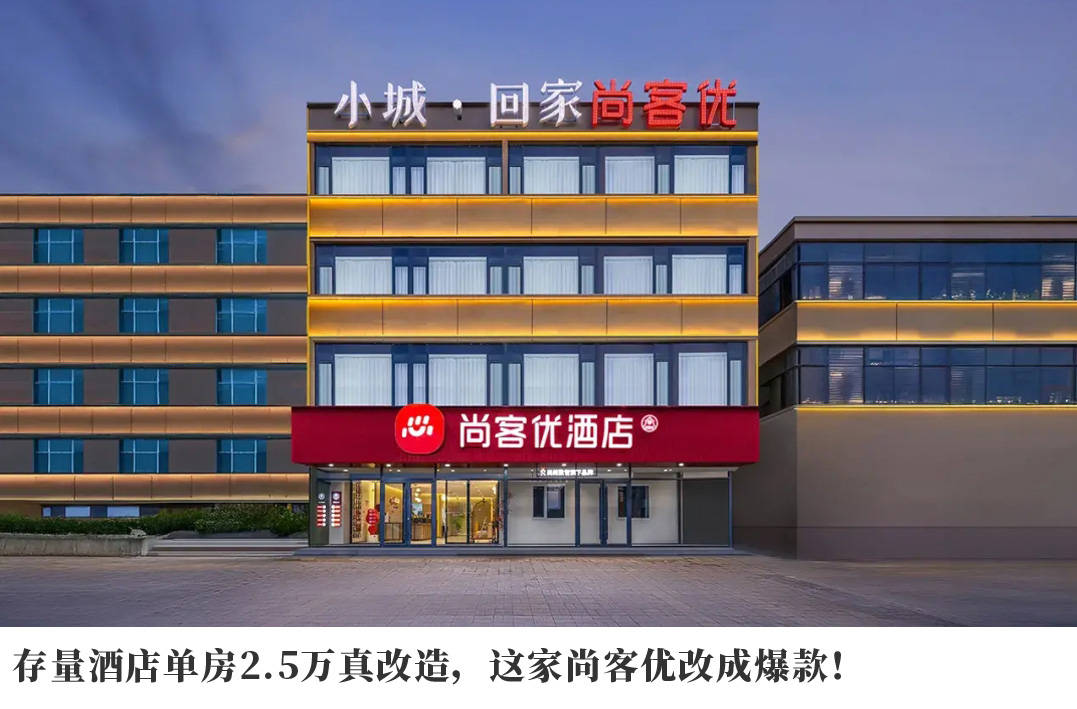
尚客优改酒店

Search documents
存量酒店面对经营困局,如何避免被割韭菜
Sou Hu Cai Jing· 2026-02-24 09:04
Core Insights - The hotel industry in China faces a mismatch between supply and demand, particularly with the rise of Generation Z as a mainstream consumer group, leading to a need for upgrading existing hotels [2][3] - The focus on upgrading existing hotels should consider brand reputation, market dynamics, and consumer demographics, especially for economic hotels that are in urgent need of renovation [3][15] Group 1: Current State of the Hotel Industry - As of 2024, approximately 60% of hotels in China have been operating for over five years, with economic hotels making up 77.80% of this segment [3] - There are around 430,000 hotels with fewer than 30 rooms, representing 70% of the total accommodation facilities in China, predominantly economic hotels [3] - Many of these hotels are outdated and lack modern management systems, relying heavily on OTA platforms for customer acquisition [5][14] Group 2: Challenges Faced by Existing Hotels - Many small hotels are considered "backward capacity" and struggle with low occupancy rates and pricing power due to outdated facilities [4][8] - The pandemic exacerbated the situation, leading to a significant number of small hotels being eliminated from the market [7] - The average occupancy rate for some hotels, like the 尚客优成都武侯祠锦里酒店, was only 35% before renovation, indicating poor performance [10] Group 3: Renovation and Upgrading Strategies - Successful renovation can significantly improve performance metrics; for instance, the 尚客优 hotel saw a nearly 60% increase in occupancy and a substantial rise in RevPAR after renovation [10][30] - The renovation process must balance cost, operational efficiency, and the need to attract younger consumers who demand better experiences [15][22] - Brands like 尚客优 are focusing on innovative room types and smart technology to enhance the guest experience and meet the expectations of younger travelers [15][29] Group 4: Investment Considerations - Investors are advised to focus on low-cost, quick-return renovation strategies, with a single room renovation cost ideally kept below 40,000 RMB to maintain attractiveness [21][18] - The importance of brand strength and market positioning is emphasized, as brands with a strong growth trajectory and appeal to younger demographics are more likely to succeed [22][23] - The trend towards brand standardization and adaptability in renovation plans is crucial for attracting investment in small hotels [23][24]