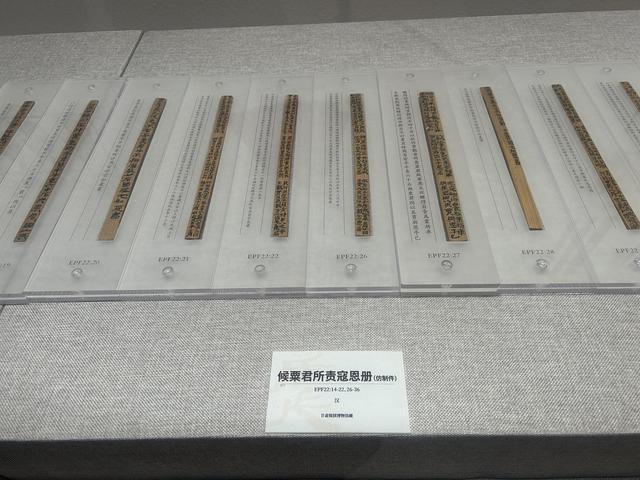
居延汉简

Search documents
和而不同:徐旭生与胡适的交往
Xin Lang Cai Jing· 2026-01-28 21:00
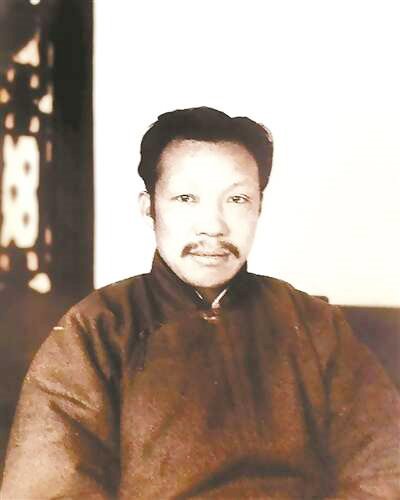
Core Viewpoint - The article discusses the academic interactions and differing viewpoints between Xu Yousheng and Hu Shi, particularly focusing on their debates regarding the literary and philosophical significance of "Tianwen" and their contrasting approaches to the issue of resistance against Japanese aggression during the 1930s [4][10]. Group 1: Academic Discourse - Xu Yousheng and Hu Shi engaged in a significant academic debate regarding the value of "Tianwen," with Xu defending its philosophical importance against Hu's critical stance [4][5]. - Xu identified seven types of skepticism expressed in "Tianwen," emphasizing its role in challenging traditional beliefs and promoting a spirit of inquiry [5][6]. - The two scholars founded the Philosophy Research Society at Peking University, aiming to promote philosophical discussions and the translation of Western philosophical works [6]. Group 2: Political Views and Resistance - Xu Yousheng advocated for a strong resistance against Japanese aggression, proposing a strategy of defense and mobilization of civilian forces, while Hu Shi preferred diplomatic negotiations through international channels [10][11]. - In response to the escalating conflict, Xu expressed a firm belief in the necessity of war, criticizing any notion of passivity or inaction in the face of national crisis [9][10]. - The article highlights the ideological divide between Xu's call for immediate action and Hu's cautious approach, reflecting broader debates within Chinese intellectual circles during this tumultuous period [10][11]. Group 3: Scientific Research and Cultural Heritage - Xu Yousheng played a pivotal role in the Northwest Scientific Expedition, which yielded significant archaeological findings, including the discovery of the "Han Bamboo Slips" [12][15]. - The expedition's findings were showcased in exhibitions, drawing public interest and contributing to the academic discourse on Chinese history and culture [12][13]. - Xu's efforts in organizing the return and study of the Han Bamboo Slips post-war reflect the importance of cultural heritage in the context of national identity and historical scholarship [15][16].

居延遗址:河西走廊和草原丝路上的文明津渡
Xin Lang Cai Jing· 2026-01-15 18:26
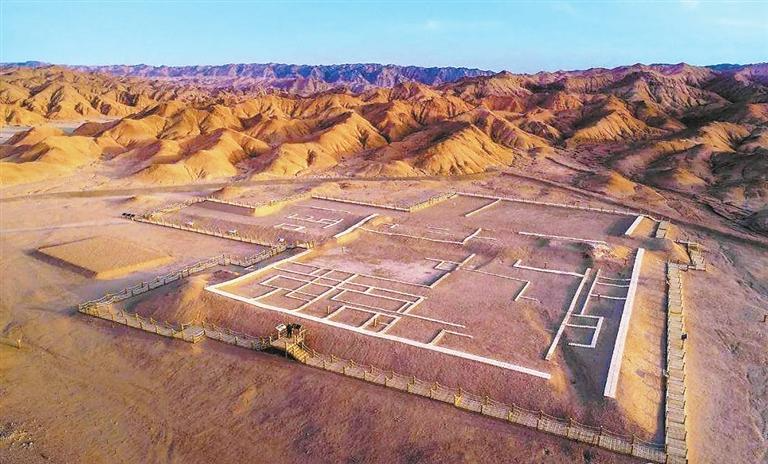
Core Viewpoint - The article highlights the historical and cultural significance of the ancient site of Juyuan, emphasizing its rich heritage and the ongoing efforts to revitalize and preserve its legacy through tourism and cultural initiatives [1][17]. Group 1: Historical Significance - Juyuan is located at the junction of the Hexi Corridor and the Mongolian Plateau, serving as a historical crossroads for trade and military activities [6]. - The Juyuan site encompasses a vast area of 15,000 square kilometers, containing 202 cultural relic points from various dynasties, including Han, Jin, Sui, Tang, and Yuan [6]. - The site has yielded over 30,000 wooden slips, making it one of the most significant archaeological discoveries of Han dynasty literature [11]. Group 2: Cultural Revitalization - Ejin Banner is leveraging Juyuan culture as a core element for tourism development, integrating ecological landscapes and cultural heritage to create a unique tourism experience [17]. - The second Juyuan Cultural Academic Seminar is set to take place in 2024, attracting nearly 70 experts and scholars from various institutions, showcasing the site's academic importance [17]. - A large-scale exhibition titled "'Jian' Reading Juyuan" will be held at the Inner Mongolia Museum from December 28, 2025, to March 15, 2026, further promoting the cultural significance of the site [17]. Group 3: Environmental Restoration - The Juyuan Sea, once a vital economic hub along the Silk Road, has seen significant ecological restoration efforts, with 1.28 billion cubic meters of water redirected to prevent its drying up [18]. - The wetland area of Juyuan Sea has reached 40.2 square kilometers, supporting over 100 species of migratory birds, indicating a successful recovery of the local ecosystem [18]. - The application for Juyuan site to be included in the "China World Cultural Heritage Tentative List" is underway, reflecting the site's potential for global recognition [18].
【溯源甘肃】西北简牍:千年文明的发掘与传承
Xin Lang Cai Jing· 2026-01-06 00:55
Core Viewpoint - The article discusses the historical significance and ongoing research of bamboo and wooden slips (jian) discovered in Northwest China, particularly focusing on the evolution of their discovery and study over the past century, highlighting the importance of these artifacts in understanding ancient Chinese civilization and culture [4][20]. Group 1: Historical Discovery Phases - The discovery of bamboo and wooden slips in Northwest China can be divided into three main phases: the first phase (before 1949) was primarily led by foreign explorers and archaeologists, with significant finds by Sven Hedin and Aurel Stein [4][7][9]. - The second phase (1949-2000) saw a surge in discoveries across various regions, including the notable finds of Qin slips at the Foma Tan site and numerous Han slips in Dunhuang and surrounding areas [11][12][15]. - The third phase (post-2000) focuses on the comprehensive organization and publication of previously unearthed slips, as well as the ongoing efforts to catalog and study slips held in international collections [17][18]. Group 2: Key Discoveries and Artifacts - Significant finds include the Dunhuang Maquanwan slips, which totaled 1,217 pieces, and the Xuanquan slips, which exceeded 23,000 pieces, providing insights into various aspects of ancient life, including administration, culture, and military affairs [11][12]. - The Wuwei slips, including the "Rituals" and "Medical" texts, are crucial for understanding ancient Chinese medicine and governance, with the Wuwei "Medical slips" containing over 100 medicinal recipes [15][19]. - The total number of slips discovered across China exceeds 260,000, with Northwest China being a major contributor, accounting for over 58% of the total Han slips found [18][19]. Group 3: Cultural and Academic Significance - The artifacts from Northwest China are not only significant for their historical content but also serve as foundational texts for the study of Chinese civilization, particularly in relation to the Silk Road and cultural exchanges [20]. - The research and publication efforts surrounding these slips have established Northwest China as a focal point for international sinology, with ongoing collaborations enhancing the understanding of these ancient documents [20].
一片流沙一“简”史
Xin Lang Cai Jing· 2025-12-28 20:29
Core Viewpoint - The article highlights the significance of the archaeological findings at the Juyan site, showcasing the Han bamboo slips and their role in illustrating the historical and cultural development of the region, emphasizing the multi-ethnic interactions and governance during the Han dynasty [3][7][11]. Group 1: Archaeological Significance - The Juyan site has yielded over 30,000 Han bamboo slips since 1930, representing a crucial historical record of the Han dynasty [2][5]. - The exhibition titled "'Reading the Bamboo Slips' - A Special Exhibition of Han Bamboo Slips from the Juyan Site" features over 400 selected artifacts, including bamboo slips and documents, that depict the multi-ethnic coexistence and governance in the Han border regions [3][4]. Group 2: Cultural Insights - The bamboo slips reveal various aspects of Han society, including political, economic, military, and cultural dimensions, serving as evidence of the continuous development of Chinese civilization [7][11]. - The exhibition aims to explore and promote the rich traditional culture embedded in the Juyan bamboo slips, contributing to the construction of a shared spiritual home for the Chinese nation [3][11]. Group 3: Historical Context - The Juyan region has historically been a stage for multi-ethnic interactions, witnessing the development trajectory of the Chinese national community [3][12]. - The governance and management of the region have been consistent across various dynasties, reflecting the integration of different ethnic groups and their contributions to state governance [10][12]. Group 4: Technological Advancements - New technologies, such as infrared scanning, are being utilized to enhance the clarity of the bamboo slips, facilitating a more accurate interpretation of these historical artifacts [9]. - The integration of technology in the study of bamboo slips is fostering interdisciplinary collaboration, enhancing the understanding of Han dynasty culture [9]. Group 5: Economic and Trade Implications - The Juyan region served as a vital hub on the Silk Road, facilitating the exchange of goods and culture between the Central Plains and the Western Regions [15][16]. - The exhibition highlights the structured postal system in place during the Han dynasty, which ensured efficient communication and trade across vast distances [15][16]. Group 6: Continuity of Cultural Exchange - Archaeological findings indicate that the Juyan oasis has been a corridor for cultural exchange since prehistoric times, laying the groundwork for later, larger-scale ethnic interactions [19][20]. - The ongoing dialogue between diverse regional cultures continues to shape the identity and heritage of the Juyan area today [20].
“‘简’读居延—居延遗址出土汉简专题展”,诉说跨越两千年的边塞回响
Xin Lang Cai Jing· 2025-12-28 07:03
Core Viewpoint - The exhibition titled "'Reading Simplified' - A Special Exhibition of Han Bamboo Slips Unearthed from the Juyuan Site" showcases the historical significance of the Juyuan site, featuring artifacts from the Neolithic era to the Ming and Qing dynasties, and will run until March 15, 2026 [1]. Group 1: Exhibition Overview - The exhibition features 400 selected artifacts, including Han bamboo slips, objects, and documents, organized into six thematic units: "Juyuan Site," "Treasures Revealed," "Beacon Towers Together," "Borderland Coexistence," "Silk Road Connectivity," and "Common Heart and Forge" [3]. - The Juyuan site, located in Inner Mongolia and Gansu provinces, is a significant ancient cultural site that has undergone various historical changes from the Han, Tang, Xixia, to Yuan dynasties [3]. Group 2: Artifacts and Academic Dimensions - The exhibition integrates valuable collections from multiple institutions, allowing the first joint display of "Juyuan Han Slips," "Juyuan New Slips," and "Ejin Banner Han Slips," providing a comprehensive view of the excavation [5]. - It also explores the evolution of calligraphy and institutional changes through a dedicated section comparing different writing styles, showcasing the development of Chinese characters [5][6]. Group 3: Interactive Experience and Cultural Significance - High-tech interactive exhibits, such as "Stories in Juyuan Han Slips" and "Restoration Models," transform historical narratives into participatory experiences, allowing visitors to engage with the daily life and document flow of the Han dynasty [8]. - The exhibition plays a crucial role in promoting the cultural value of the Juyuan site, which is on the "Tentative List of World Cultural Heritage," and supports its application for heritage status [8].