
屠苏酒

Search documents
新春开笔饮屠苏
Xin Lang Cai Jing· 2026-02-17 05:54
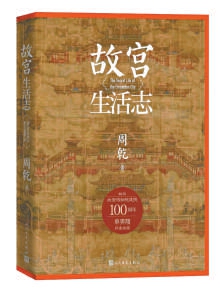
Group 1 - The tradition of drinking Tusu wine on New Year's Day dates back to ancient China, symbolizing the expulsion of evil spirits and the welcoming of good fortune [2][3] - The royal Tusu wine was made from a blend of various herbs and ingredients, prepared meticulously for the New Year's celebration [2] - The New Year's Day ceremony included the emperor personally drinking Tusu wine and writing auspicious phrases, reflecting the cultural significance of the ritual [2] Group 2 - The New Year gathering, known as "Da Chao," involved a formal process where officials would pay respects to the emperor, highlighting the hierarchical structure of the royal court [4] - Entertainment during the New Year period included theatrical performances, with emperors actively participating, showcasing the cultural importance of the arts in royal celebrations [4]

年年今夜,愿新年,胜旧年
Xin Lang Cai Jing· 2026-02-16 07:46
Core Viewpoint - The article explores traditional Chinese New Year customs, emphasizing the significance of rituals and celebrations during the Spring Festival, particularly on New Year's Eve and New Year's Day, highlighting the themes of renewal and family togetherness. Group 1: New Year's Eve Customs - The tradition of cleaning the house to welcome the new year is highlighted, symbolizing the removal of the old and the welcoming of the new [3] - Rituals such as offering sacrifices to deities and ancestors are described, reflecting the importance of family and spiritual connections during this time [4] - The significance of family gatherings for the New Year's Eve dinner is emphasized, showcasing the joy of sharing meals and the custom of leaving food in the bowl as a sign of abundance [4] - The practice of giving "lucky money" to children is mentioned, illustrating the joy and excitement of the younger generation during the celebrations [4] Group 2: New Year's Day Customs - The first day of the new year is considered a time for divination regarding agricultural prospects, with various weather conditions interpreted as omens for the year's harvest [11] - The custom of visiting relatives and friends to exchange New Year greetings is discussed, with ancient blessings reflecting deeper cultural values and aspirations for prosperity and harmony [12] - The evolution of greeting practices from personal visits to sending greeting cards is noted, indicating changes in social customs over time [13]
唐诗中的长安元日习俗
Xin Lang Cai Jing· 2026-02-13 19:33
Core Viewpoint - The lecture focuses on the customs of celebrating the New Year (元日) in Chang'an during the Tang Dynasty, highlighting the rich cultural practices and the significance of this traditional festival in Chinese history [4][29]. Group 1: Official Ceremonies and Customs - The New Year in the Tang Dynasty, known as 元日, was celebrated with elaborate official ceremonies and rituals, starting from the eve of the New Year [4][5]. - The New Year morning court was a grand event where officials presented their respects to the emperor, who reciprocated with a banquet and performances [5][6]. - The customs included a variety of performances, such as the傩戏, which evolved from a ritual to a form of entertainment [4][5]. Group 2: Family and Social Customs - Family reunions were a central theme during the New Year, with traditions such as staying awake on New Year's Eve (守岁) to welcome the new year [11][13]. - The practice of visiting friends and relatives to exchange New Year greetings became a popular custom in Chang'an, reflecting social relationships [14][15]. - The holiday also included a seven-day break for officials, emphasizing the importance of the New Year in the social calendar [10]. Group 3: Food and Drink Traditions - Traditional foods played a significant role in the New Year celebrations, with屠苏酒 being a prominent drink believed to ward off evil and promote health [17][18]. - The custom of preparing and sharing special dishes, such as the五辛盘, was common, symbolizing the welcoming of the new year [19][20]. - The practice of inviting neighbors for meals after the New Year was known as '传座', fostering community bonds [20]. Group 4: Cultural Significance and Poetry - The New Year was not only a time for celebration but also a period for poets to express their feelings about the arrival of spring and the renewal of life [23][24]. - Tang poetry often captured the essence of the New Year, reflecting the cultural significance of the festival and its connection to nature [25][26]. - The customs and poetry surrounding the New Year contributed to the development of the modern Spring Festival, showcasing the continuity of cultural practices [29].
宋朝百姓聚会:市井里的烟火气
Jing Ji Guan Cha Bao· 2025-09-12 04:48
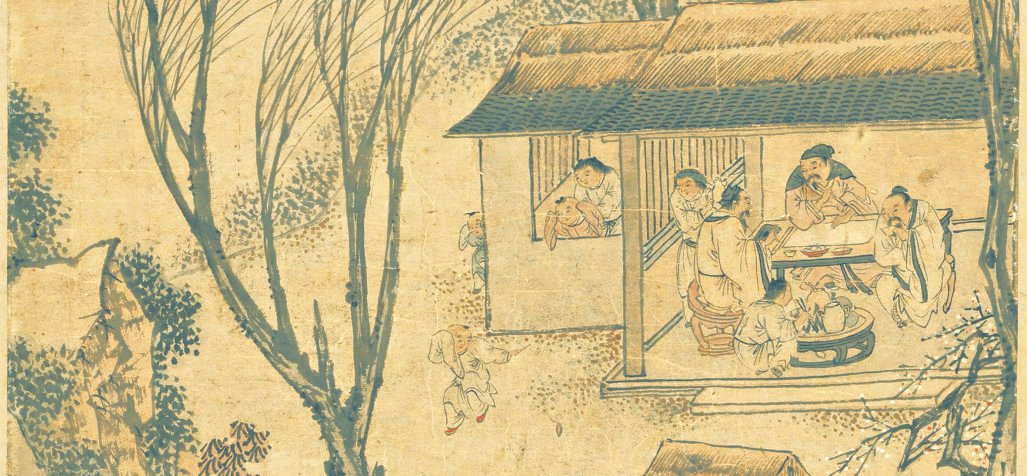
Core Viewpoint - The article vividly describes the bustling life and cultural richness of the Song Dynasty's capital, Kaifeng, during the New Year celebrations, highlighting the daily activities of ordinary citizens like Li Gui and the vibrant market atmosphere [1][12]. Group 1: City Description - Kaifeng was the largest and most prosperous city in the world during the Song Dynasty, featuring a complex structure of three nested city walls with a perimeter of approximately 43 kilometers [1]. - The city had twelve land gates and several water gates, facilitating trade and movement, with streets laid out in a grid pattern filled with various shops and markets [1]. Group 2: Daily Life and Celebrations - The daily life in Kaifeng began early, with the sound of temple bells marking the start of a busy day [2]. - During the New Year, shops prepared festive goods, and the atmosphere was lively with various food stalls and celebrations, including the sale of new wine and traditional foods [3][4]. - Ordinary families like Li Gui's engaged in various customs, such as hanging door gods and preparing special dishes for the New Year, reflecting the cultural practices of the time [5][7]. Group 3: Social Interactions - New Year celebrations included visiting friends and family, with gatherings often involving the sharing of food and drinks, such as the traditional "屠苏酒" [7]. - The practice of "斗茶" (tea competition) emerged, where tea farmers showcased their best teas, indicating the cultural significance of tea in social gatherings [8][9]. Group 4: Entertainment and Leisure - During the New Year, the city hosted various entertainment activities, including gambling games known as "关扑," which attracted participants from all social classes [10][11]. - The vibrant atmosphere was enhanced by performances such as puppet shows and music, creating a festive environment for both the wealthy and common people [12].