工作餐

Search documents
他们提前半天上岗,为“打工人”备好健康美味的开工热饭
Yang Zi Wan Bao Wang· 2026-02-24 23:38
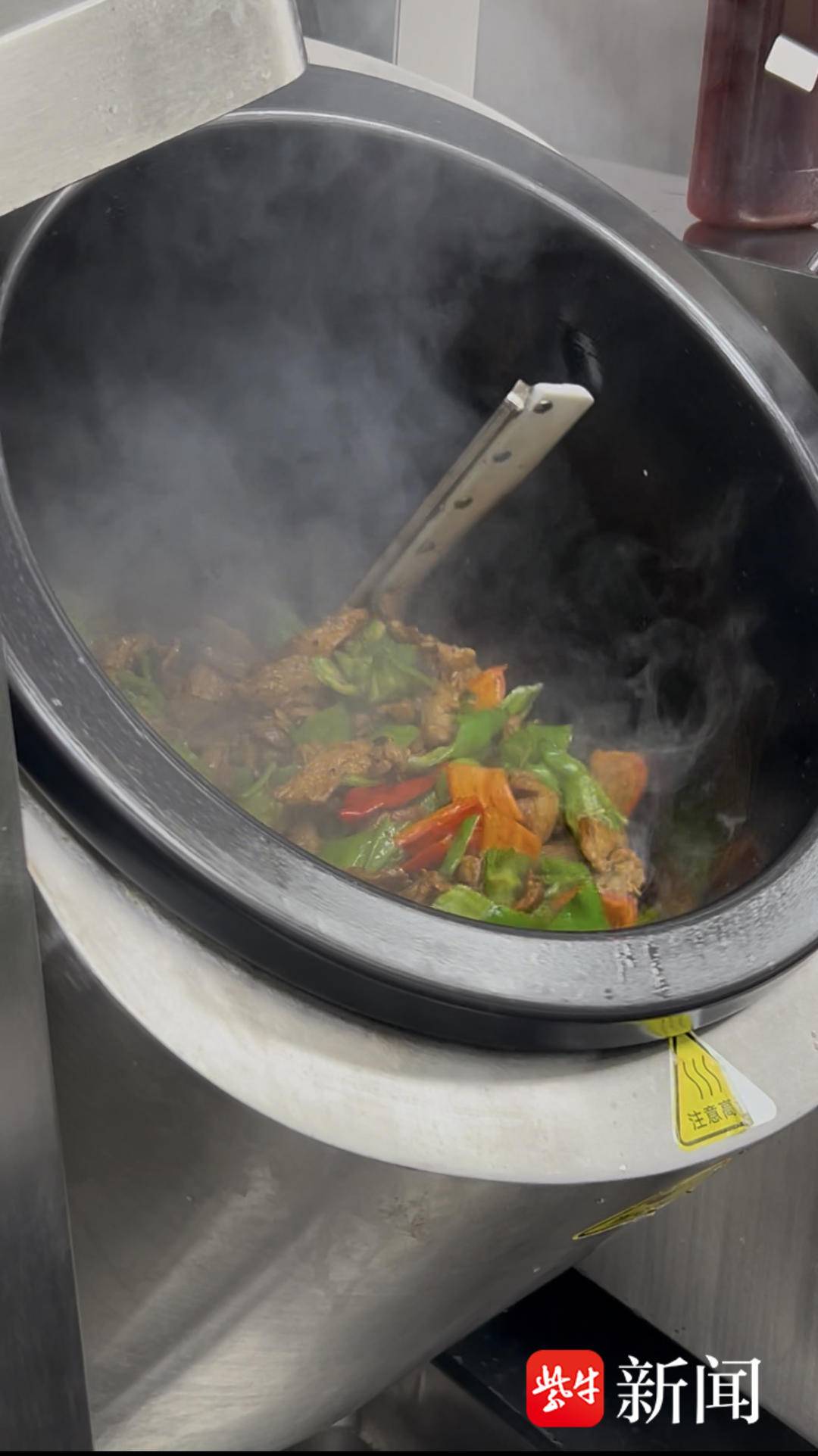
Core Viewpoint - The article highlights the operations of Nanjing Jianhexiang Catering Co., Ltd. (Golden Apple Group Meal) on the first working day after the Spring Festival, emphasizing their commitment to food safety, quality, and customer service in the catering industry [1][7]. Group 1: Operations and Food Preparation - On the first working day, the company prepared over 500 group meals for long-term partners, showcasing their readiness and efficiency [1][4]. - Fresh ingredients, including live shrimp and seasonal vegetables, were sourced and prepared on-site, demonstrating the company's focus on quality [4][5]. - The use of a cooking robot for precise meal preparation indicates the integration of technology in their operations, ensuring consistency and quality in food preparation [4][5]. Group 2: Quality Control and Safety Measures - The company implements a rigorous self-inspection system, including rapid testing for pesticide residues, veterinary drug residues, heavy metals, and microbial contamination, ensuring food safety [5][6]. - Certifications such as Quality Management System Certification and Food Safety Management System Certification reflect the company's adherence to industry standards [5][6]. - The supply chain is tightly controlled, with fresh vegetables sourced directly from local farms, ensuring both quality and support for local agriculture [6]. Group 3: Company Background and Growth - Founded in 2004, the company has experienced a compound annual growth rate of 20% since transitioning to corporate operations in 2022, expanding its service area significantly [7]. - The company serves various sectors, including hospitals, schools, government, and enterprises, highlighting its versatility and commitment to high standards [7]. - The founder's military background instills a strong work ethic and a commitment to social responsibility, as evidenced by their community outreach efforts [7].

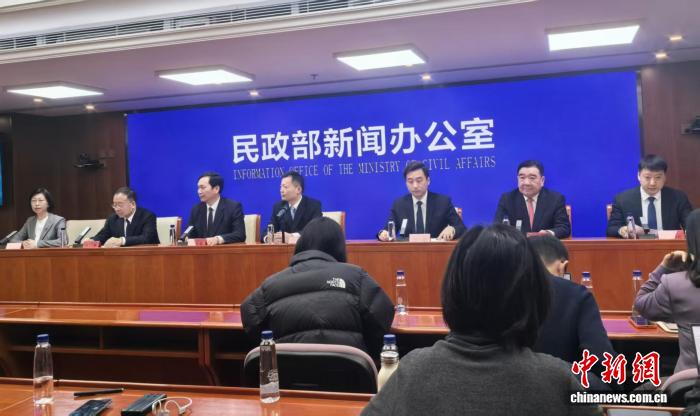
培育养老服务经营主体 这些地方经验有亮点
Zhong Guo Xin Wen Wang· 2026-01-13 12:07
Core Insights - The Chinese Ministry of Civil Affairs and eight other departments have issued measures to cultivate elderly care service operators and promote the silver economy, highlighting successful local experiences in this area [1] Group 1: Tianjin's Sustainable Meal Assistance - Tianjin has established a sustainable elderly meal assistance network with 1,852 senior dining halls operating at 100% marketization, serving 22 million people [2] - The city provides a dual subsidy for elderly individuals, increasing the number of beneficiaries from 129,000 in December 2019 to 1.7 million by 2025 [2] Group 2: Zhejiang's Innovative "Four Districts Linkage" - Zhejiang has created a "Four Districts Linkage" model, integrating parks, streets, scenic areas, and communities to enhance elderly services [3] - The province is developing a provincial-level silver economy industrial park and specialized zones for smart elderly care and health products [3] Group 3: Guangdong's Elderly Product Development Hub - Guangdong has over 6,800 elderly product companies, generating revenue exceeding 650 billion RMB, and has the highest number of products in the national elderly product promotion directory [5] - The province has nurtured over 30,000 specialized small and medium enterprises and more than 2,000 "little giant" enterprises in the elderly care sector [5] Group 4: Shaanxi's Policy Framework for Elderly Services - Shaanxi has 8.87 million residents aged 60 and above, representing 22.4% of its population, and has implemented over 20 policy documents to support elderly services [6] - The province has introduced a financial support mechanism, with loans amounting to 21.3 billion RMB allocated for service consumption and elderly care by the end of 2025 [6] Group 5: Suzhou's Integration of Technology and Elderly Services - Suzhou is promoting the integration of technology and elderly services, aiming for 4.72 million home care service orders by 2025 [7] - The city has established 65 smart elderly care facilities and developed modules for high-frequency services to facilitate public access [7]