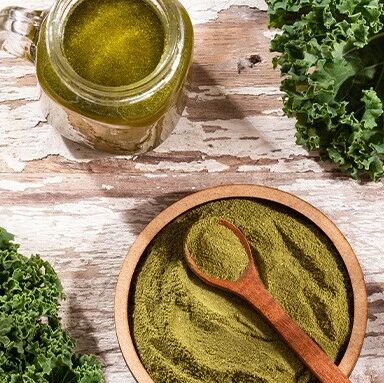
巴西莓粉

Search documents
“超级食物”究竟是营养担当还是以健康为名营销?
Xin Lang Cai Jing· 2026-01-30 06:14
Core Viewpoint - The article discusses the rising popularity of "superfoods" in the market, questioning whether they are genuinely nutritious or merely a marketing trend aimed at health-conscious consumers [2][10]. Group 1: Definition and Market Trends - "Superfoods" lack a unified scientific definition and are often seen as a marketing concept designed to appeal to consumers willing to pay a premium for health claims [2][10]. - Consumers are increasingly purchasing these products, with many young individuals believing they can improve their health despite the higher prices [2][3]. Group 2: Nutritional Analysis of Superfoods - Common superfoods like kale, acai powder, and quinoa are highlighted for their nutritional benefits, but their actual health impacts may be overstated [3][4][7]. - Kale is noted for its high content of vitamins K and C, as well as minerals like calcium and iron, but its high price in the domestic market is a concern [3][10]. - Acai powder is recognized for its antioxidant properties, but its effectiveness compared to other berries is questioned [4]. - Quinoa is a good source of plant protein but does not offer significant advantages over more common grains like oats [7]. Group 3: Consumer Perspectives and Recommendations - Consumer attitudes towards superfoods vary, with some loyal users and others skeptical about their claimed benefits [3][11]. - General recommendations suggest that most people do not need to pursue superfoods specifically; a balanced diet is more important [11][12]. - For specific populations, such as vegetarians or those with dietary restrictions, certain superfoods may provide necessary nutrients under professional guidance [11]. Group 4: Practical Advice for Consumers - When purchasing superfoods, consumers should clarify their needs, read ingredient labels carefully, and use these products as dietary supplements rather than meal replacements [14][16]. - Affordable and nutritious alternatives to superfoods include oats, soybeans, cruciferous vegetables, and eggs, which can provide similar health benefits without the high costs [14][15][16].
“超级食物”网红标签下的真相
Ren Min Ri Bao Hai Wai Ban· 2026-01-29 23:15
Core Viewpoint - The rise of "superfoods" in the market has sparked discussions about their actual nutritional value versus their marketing appeal, with experts suggesting that they are often more of a marketing concept than scientifically defined foods [2][3][4]. Group 1: Definition and Popularity of Superfoods - "Superfoods" are described as nutrient-dense foods rich in antioxidants, vitamins, or minerals, but lack a standardized scientific definition [3][4]. - Consumers are willing to pay a premium for foods labeled as healthy, driving the food industry's promotion of "superfoods" [4]. - Popularity among younger consumers is evident, with many seeking these foods for perceived health benefits [3]. Group 2: Nutritional Analysis of Specific Superfoods - Kale is noted for its high nutritional value, containing vitamins K and C, calcium, iron, and significant amounts of potassium (395mg/100g) and dietary fiber (3.2g/100g) [5][6]. - Acai berry powder has strong antioxidant properties but does not stand out compared to other berries [6]. - Beetroot is rich in calcium, iron, and vitamin A, with antioxidant components beneficial for gut health [7]. - Quinoa is a good source of plant protein but lacks advantages over common grains like oats, which are more economical and beneficial for blood sugar control [8]. - Blueberries and cranberries are rich in anthocyanins, beneficial for brain and cardiovascular health, but similar nutrients can be found in other common fruits and vegetables [9]. - Chia seeds can help delay gastric emptying but require adequate hydration; their omega-3 fatty acids are less efficiently converted to DHA compared to fish sources [10]. Group 3: General Recommendations on Superfoods - While "superfoods" can offer health benefits, they should not be relied upon solely for health maintenance; a balanced diet is crucial [12]. - General populations do not need to pursue "superfoods" specifically; those with nutritional deficiencies may consider specialized foods or supplements under professional guidance [13]. - Whole, fresh foods are preferred over supplements for nutrient absorption and safety [14]. Group 4: Practical Advice for Consumers - Consumers should clarify their needs when purchasing "superfoods" and be cautious of products with high sugar content or misleading health claims [15]. - Affordable, nutrient-rich foods such as oats, soybeans, cruciferous vegetables, and eggs are recommended as part of a balanced diet [16][17][18][19][20].

“超级食物”网红标签下的真相(健康驿站)
Ren Min Ri Bao Hai Wai Ban· 2026-01-29 22:51
Core Viewpoint - The article discusses the rising popularity of "superfoods" in China, questioning their actual nutritional benefits versus their marketing appeal, and emphasizes the importance of a balanced diet over reliance on specific foods [2][4]. Group 1: Definition and Popularity of Superfoods - "Superfoods" are described as nutrient-dense foods high in antioxidants, vitamins, or minerals, but lack a standardized scientific definition, functioning more as a marketing concept [4]. - Consumers are willing to pay a premium for foods labeled as healthy, driving the food industry's promotion of "superfoods" [4]. - Young consumers, influenced by social media, are increasingly purchasing these products, often viewing them as investments in health [3][4]. Group 2: Nutritional Analysis of Popular Superfoods - Kale is highlighted for its high nutritional value, containing significant amounts of vitamins K and C, calcium, and iron, but is relatively expensive in China [5]. - Acai berry powder is noted for its antioxidant properties, but its effectiveness compared to other berries is questioned [6]. - Beetroot is recognized for its antioxidant components and benefits for gut health, while quinoa is acknowledged as a good plant protein source but lacks advantages over more common grains like oats [8][9]. - Blueberries and cranberries are rich in anthocyanins, beneficial for brain and cardiovascular health, but similar nutrients can be found in other common foods [9]. - Chia seeds are noted for their fiber content but require adequate hydration for consumption, and their omega-3 fatty acids are less efficiently converted in the body compared to fish [10]. - Turmeric is acknowledged for its overall nutritional density and potential health benefits, but should not be relied upon solely for health maintenance [11]. Group 3: Dietary Recommendations - General populations do not need to pursue "superfoods" specifically; balanced diets are emphasized as more important for health [12]. - Certain groups, like vegetarians, may benefit from specific foods like quinoa and chia seeds under professional guidance [12]. - Whole, fresh foods are preferred over supplements for nutritional intake, as they provide a complex nutrient profile [13]. - Consumers are advised to be cautious when purchasing "superfood" products, focusing on their dietary needs and avoiding reliance on marketing claims [14]. Group 4: Alternatives to Superfoods - Affordable and nutritious everyday foods are recommended, including oats, soybeans, cruciferous vegetables, and eggs, which provide essential nutrients without the high cost associated with "superfoods" [15][16][17][18].
浙江省市场监督管理局食品安全监督抽检信息通告(2025年第44期)
Zhong Guo Zhi Liang Xin Wen Wang· 2025-12-08 06:11
Core Points - Zhejiang Province's Market Supervision Administration conducted a food safety inspection, testing 567 samples across 22 food categories, with 551 passing and 16 failing the safety standards [2][4][5] Microbial Contamination - A product sold by Hangzhou Lianhua Huashang Group, a red date ginger soup produced by Yunnan Guxun Red Sugar Co., was found to have mold levels exceeding national food safety standards [2] Exceeding Food Additive Limits - Zhejiang Jianxing Biotechnology Co., selling Brazilian berry powder, had a blue dye content of 0.285 g/kg, exceeding the standard limit of 0.2 g/kg, and the company’s appeal for retesting was denied [3] - Leqing Lingyao Food Co.'s milk-flavored cake was found to contain lemon yellow dye at 0.0146 g/kg, which is not permitted [3] - Other products, including spicy chicken feet and various dried shrimp, also failed due to exceeding limits on preservatives and colorants [3] Exceeding Agricultural and Veterinary Drug Residues - Specific products, including small台芒 and cowpeas, were found to have pesticide residues that did not meet safety standards [7] Quality Standards Not Met - Products such as Northeast pine nuts and salted oil dates were found to have peroxide values exceeding the acceptable limits [5] - The inspection revealed that several companies, including Hangzhou Lin'an Bonong Food Co. and Wenzhou Fadaojia Trading Co., had products with unacceptable quality indicators [5] Regulatory Actions - The Market Supervision Administration has mandated local regulatory bodies to investigate the non-compliant products, enforce recalls, and report back within three months [5][6]

孢子粉、姜黄粉,资本下注新超级零食
创业邦· 2025-09-19 06:27
Core Viewpoint - The article discusses the rising trend of "super powders" made from various plants, which have become popular among young consumers for their perceived health benefits and affordability, creating significant market opportunities in the health food sector [5][10]. Market Overview - The "super powder" market began to explode in 2022, driven by advancements in freeze-drying and extraction technologies, allowing natural ingredients to be processed into convenient powder forms [13]. - The market is expected to enter a high growth phase from 2023 to 2024, with leading brands in the "natural powders" category on platforms like Tmall experiencing over three-digit year-on-year growth [13][15]. Consumer Behavior - Young consumers are increasingly viewing health products as essential rather than optional, leading to a more informed approach to purchasing, including researching ingredient lists and nutritional content [17]. - The trend of sharing personal experiences with these powders on social media platforms has become a new form of social interaction among young people [8][10]. Product Insights - Popular powders include acai berry powder, turmeric powder, beetroot powder, and kale powder, which are marketed for their health benefits such as antioxidant properties and anti-inflammatory effects [17]. - The cost of these powders is relatively low, with examples like acai berry powder priced at approximately 38.89 yuan for 20 bags, making them accessible to a broader audience [9]. Industry Dynamics - Companies like ONLYTREE have successfully transitioned from traditional food products to the "super powder" market, leveraging local production and supply chain stability [13][14]. - The competitive landscape includes both domestic brands and international players, with local brands gaining market share previously dominated by imports [15][18]. Challenges and Opportunities - Despite the growth, the industry faces challenges such as varying product quality and consumer skepticism regarding the efficacy of these powders, which necessitates better education and transparency [18]. - The potential for innovation remains high, with companies exploring new product lines and improving existing offerings to meet consumer demands for health and convenience [14][18].
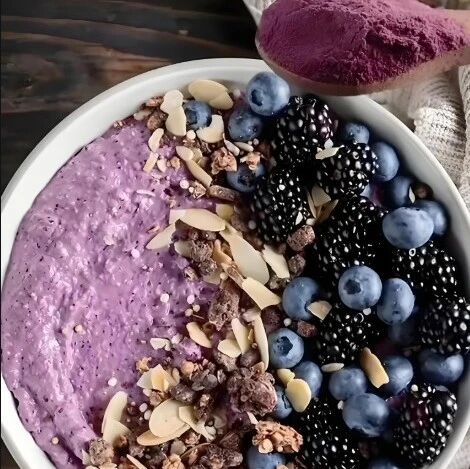
孢子粉、姜黄粉,资本下注新超级零食
36氪· 2025-09-19 00:56
Core Viewpoint - The "super powder" market is emerging as a significant opportunity in the health food sector, driven by trends among young consumers seeking convenient and health-oriented products [4][12][25]. Market Overview - The overall market size for super powders is currently small, but some products have achieved over 100 million in sales [25]. - The market began to explode in 2022, thanks to advancements in freeze-drying and extraction technologies, making it easier to process natural ingredients into convenient powder forms [15]. Consumer Behavior - Young consumers are increasingly interested in health and wellness, viewing super powders as a trendy and cost-effective way to maintain health [9][21]. - There is a growing trend of consumers sharing their experiences with super powders on social media, which has created a new form of social interaction among young people [9][12]. Product Insights - Popular super powders include acai berry powder, turmeric powder, beetroot powder, and spirulina, which are marketed for their health benefits [21]. - The cost of these powders is relatively low, with products like acai berry powder priced around 2 yuan per serving, appealing to the "value-for-money health" mindset of young consumers [9]. Industry Dynamics - The super powder market is expected to enter a high-growth phase from 2023 to 2024, with leading brands on platforms like Tmall experiencing over 300% year-on-year growth [15]. - Companies are adopting various strategies, such as focusing on single product promotions and leveraging social media platforms for marketing [17]. Competitive Landscape - The market features a mix of domestic and international brands, with local brands gaining traction and challenging previously dominant imported brands [18][23]. - New entrants from various sectors, including beverage companies, are also exploring opportunities in the super powder space, indicating a broadening competitive landscape [18]. Challenges and Limitations - The super powder market faces challenges such as varying quality standards and consumer skepticism regarding the efficacy of these products [24]. - Some functional powders may have taste issues that affect consumer acceptance, necessitating improvements in flavor and palatability [24].