希尔顿欢朋

Search documents
Shanghai Jin Jiang International Hotels Co., Ltd.(H0472) - Application Proof (1st submission)
2026-03-26 16:00
The Stock Exchange of Hong Kong Limited and the Securities and Futures Commission take no responsibility for the contents of this Application Proof, make no representation as to its accuracy or completeness and expressly disclaim any liability whatsoever for any loss howsoever arising from or in reliance upon the whole or any part of the contents of this Application Proof. No offer or invitation will be made to the public in Hong Kong until after a prospectus of the Company has been registered with the Regi ...
春节假期酒店专家交流
2026-02-24 14:15
Summary of Hotel Industry Conference Call Industry Overview - The hotel industry performed exceptionally well during the 2026 Spring Festival, driven by favorable weather, an extended holiday, and a trend towards traveling during the holiday season. Key customer segments included family travelers, seniors, and couples [1][2][3] - Domestic tourism has replaced some outbound travel, and inbound tourism has significantly increased, with expectations of reaching 100 million visitors in 2026 [1][4][13] Key Points on Jinjiang Hotels - Jinjiang Hotels benefited from a low base effect and optimized revenue management, achieving a RevPAR increase of 31%, with price contributing 21 points [1][5] - The company is expected to maintain a good growth rate throughout the year, provided it focuses on business improvement and product upgrades [1][7] - Jinjiang's customer base has shifted towards family, seniors, and couples, who prefer chain hotels for better experiences and safety [4] - The company’s performance was enhanced by a low base from the previous year due to internal restructuring [5] Market Dynamics - The hotel market is expected to see a slight supply increase of 1-2% in 2026, with chain hotels growing faster than the industry average due to improved penetration in lower-tier markets [1][8][9] - Business travel demand is projected to grow by 3-5%, with some companies increasing their travel budgets [10] - The overall hotel market is entering a price increase cycle, with leading brands like Huazhu and Atour already raising prices [2][20][21] Competitive Landscape - Huazhu's RevPAR is expected to grow by about 3%, while Jinjiang anticipates a 5% increase due to last year's low base and the closure of underperforming hotels [23][24] - Atour faces challenges in raising prices due to historical high bases and government price regulations [6] - Jinjiang's main challenges include a lack of strong core brands and low membership contribution, which stands at 30% compared to Huazhu's 65% [26][29] Future Outlook - The hotel industry is expected to enter a price increase cycle over the next 1-3 years, influenced by leading brands' pricing strategies [20] - The growth of chain hotels is anticipated to continue outpacing the overall industry, with a projected increase in chain penetration by 3-4% in 2026 [9] - The tourism sector is expected to remain strong, with increased consumer spending on travel and a preference for chain hotels due to safety and service quality [11] Risks and Challenges - Huazhu faces risks in the mid-to-high-end market, particularly in maintaining competitiveness in lower-tier markets [25] - Jinjiang needs to optimize its brand strategy to enhance market competitiveness and address its low membership contribution [26] - Atour's focus on brand reputation and customer experience is crucial for its future growth, especially after previously lowering entry standards for new projects [27][28]

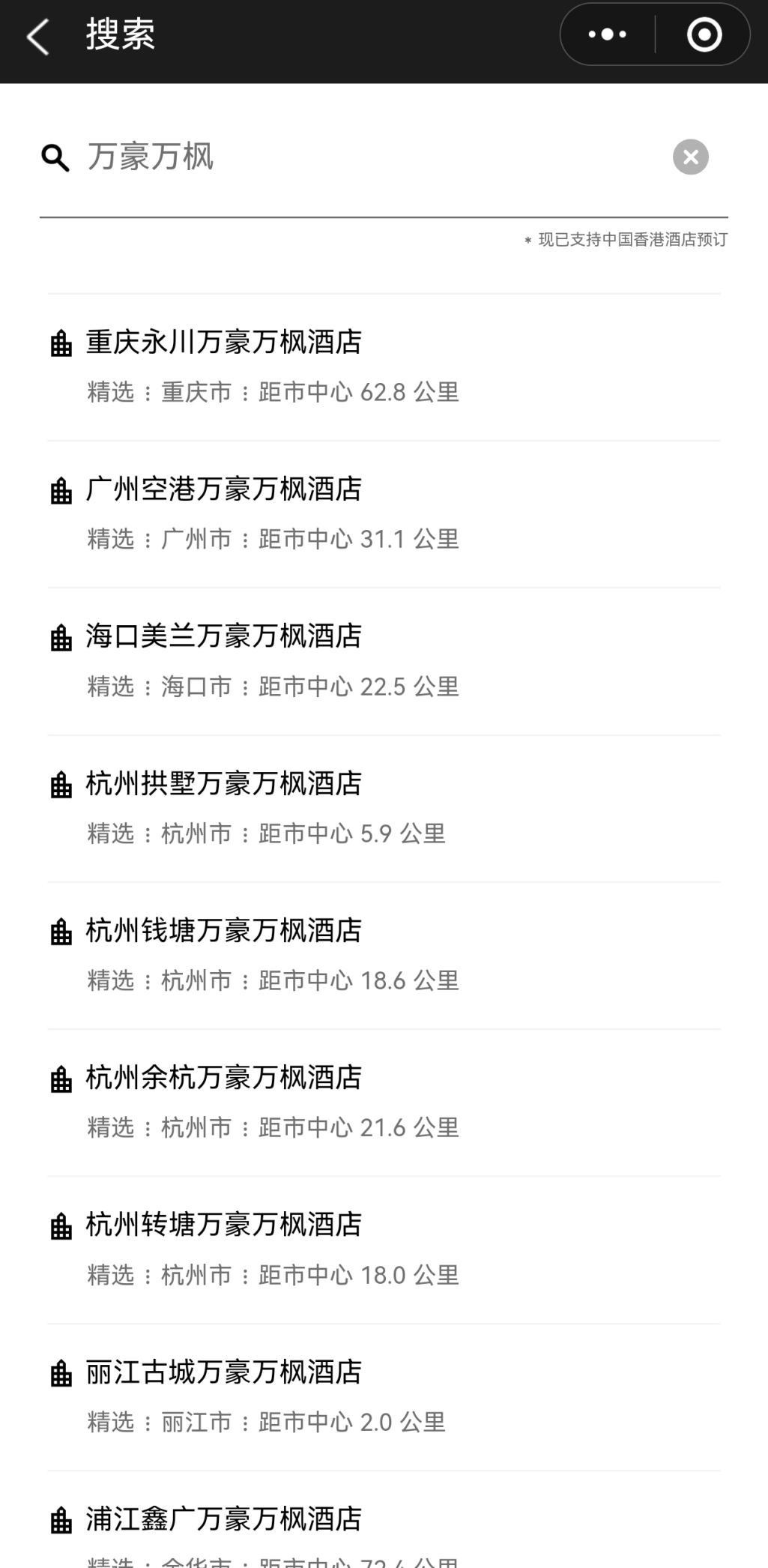
“求师”希尔顿,万豪改名先从万枫着手
3 6 Ke· 2025-08-20 05:55
Core Insights - Marriott has officially rebranded its Four Points hotel chain to "Marriott Four Points," indicating a strategic move to enhance brand recognition and market presence in China [1][4][14] - The rebranding aims to leverage the "Marriott" name to attract more customers and increase pricing power, similar to strategies employed by competitors like Hilton [1][5][14] Brand Strategy - The addition of "Marriott" to the Four Points name is expected to improve brand visibility and consumer understanding of its affiliation with the Marriott Group, addressing previous brand confusion [4][15] - The rebranding aligns with a broader trend in the hospitality industry where brands are increasingly incorporating parent company names to enhance perceived value [5][14] Market Context - The Four Points brand has struggled to gain traction in the Chinese market since its entry in 2016, with only around 200 locations compared to Hilton's 500 for its comparable brand [4][12] - The Chinese mid-to-high-end hotel market is rapidly growing, and Marriott aims to capitalize on this trend by positioning Four Points as a more recognizable option [12][14] Financial Performance - In Q2, Marriott's global hotel revenue grew by 5%, but the Greater China region experienced a decline in RevPAR by 0.5%, indicating challenges in this market [11][12] - The need for Marriott to improve its performance in China is critical, as it currently lags behind other regions in profitability [12][14] Competitive Landscape - The rebranding is partly inspired by the success of Hilton's brands, which have effectively utilized their parent name to enhance market presence [5][17] - Marriott's strategy reflects a deeper understanding of the Chinese consumer market, although it may dilute the luxury perception of the Marriott brand among high-end clientele [18]