幽门螺杆菌

Search documents
国际最新研究:全球近40%新增癌症病例或与可改变风险因素相关
Xin Lang Cai Jing· 2026-02-04 13:20
Core Insights - A recent study published in the journal Nature Medicine indicates that nearly 40% of new cancer cases globally in 2022 may be linked to modifiable risk factors [1][2] - The research, conducted by the International Agency for Research on Cancer (IARC) and the World Health Organization (WHO), emphasizes the importance of reducing tobacco use, certain infections, and alcohol consumption as key preventive measures against cancer [1][2] Summary by Categories Global Cancer Burden - Cancer remains a leading cause of disease and death worldwide, with varying burdens across different regions due to exposure to modifiable risk factors [1] - The study estimated the cancer burden attributable to 30 modifiable risk factors, using data from 185 countries and 36 cancer types in 2022 [1] Key Findings - Out of 18.7 million new cancer cases globally in 2022, approximately 7.1 million cases (37.8%) were attributable to modifiable risk factors, with smoking (15.1%), infections (10.2%), and alcohol consumption (3.2%) being the primary contributors [2] - Lung cancer, stomach cancer, and cervical cancer accounted for nearly half of these preventable cases [2] Regional Variations - For women globally, infections such as human papillomavirus (HPV) and Helicobacter pylori were the largest cancer risk factors, associated with 11.5% of cases; for men, smoking was the largest risk factor, linked to 23.1% of cases [2] - Significant regional differences were noted, with sub-Saharan African women having the highest proportion (38.2%) of cancer burden related to modifiable risk factors, while North African and West Asian women had the lowest (24.6%) [2] - East Asian men showed a high correlation of 57.2% of cancer cases with modifiable risk factors, compared to 28.1% in men from Latin America and the Caribbean [2] Implications for Cancer Prevention - The findings highlight potential opportunities for cancer prevention, including smoking cessation, infection prevention, and tailored prevention strategies for different countries [2] - The study calls for improved monitoring systems and more detailed data, especially in low- and middle-income countries, to enhance the accuracy of future estimates and inform policy-making [2]
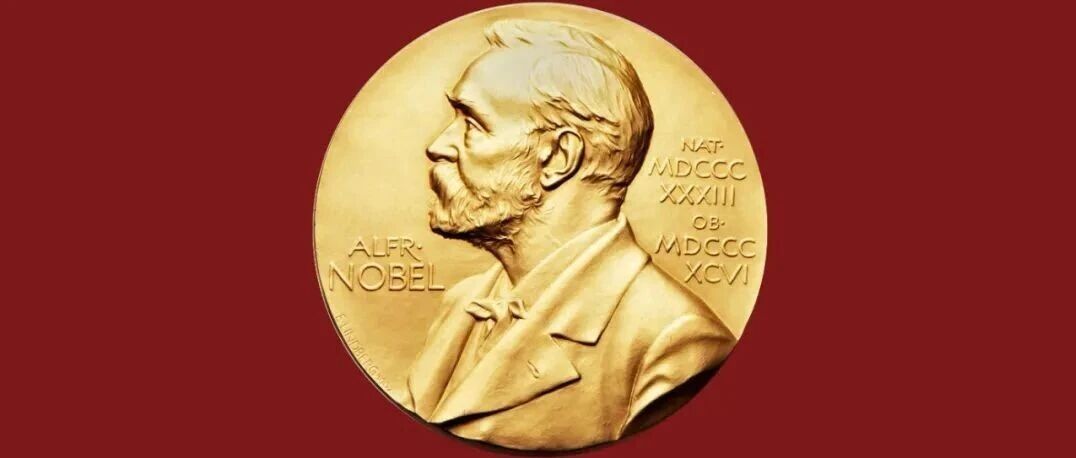
2025年诺贝尔生理学或医学奖揭晓,三位科学家因外周免疫耐受研究获奖
生物世界· 2025-10-06 09:45
Core Points - The 2025 Nobel Prize in Physiology or Medicine was awarded to Mary Brunkow, Fred Ramsdell, and Shimon Sakaguchi for their discoveries concerning peripheral immune tolerance [3][6] - The discovery of regulatory T cells (Treg) has laid the foundation for new research areas, potentially leading to treatments for autoimmune diseases, improved cancer therapies, and prevention of severe complications after stem cell transplants [6] Summary by Sections Recent Nobel Prize Winners - The 2024 Nobel Prize in Physiology or Medicine was awarded to Victor Ambros and Gary Ruvkun for their discovery of microRNA and its role in post-transcriptional gene regulation [13] - The 2022 Nobel Prize was awarded to Svante Pääbo for his discoveries in extinct human genomes and human evolution [19] - The 2020 Nobel Prize was awarded to Harvey J. Alter, Michael Houghton, and Charles M. Rice for their discovery of the hepatitis C virus [23] - The 2019 Nobel Prize was awarded to William G. Kaelin Jr, Sir Peter J. Ratcliffe, and Gregg L. Semenza for their discoveries on how cells sense and adapt to oxygen supply [24] - The 2018 Nobel Prize was awarded to James P. Allison and Tasuku Honjo for their contributions to cancer therapy through negative immune regulation [25] - The 2017 Nobel Prize was awarded to Jeffrey C Hall, Michael Rosbash, and Michael W. Young for their discoveries of the molecular mechanisms controlling circadian rhythms [29] - The 2016 Nobel Prize was awarded to Yoshinori Ohsumi for his discoveries of mechanisms for autophagy [31] - The 2015 Nobel Prize was awarded to William C. Campbell, Satoshi Ōmura, and Tu Youyou for their discoveries of new therapies for parasitic diseases and malaria [33] Impactful Medical Discoveries - The Nobel Prize website lists three transformative medical discoveries: HIV, mRNA vaccines, and Helicobacter pylori [7] - The discovery of HIV by Françoise Barré-Sinoussi and Luc Montagnier fundamentally improved treatment methods for AIDS patients [8] - The development of mRNA vaccines by Katalin Karikó and Drew Weissman contributed significantly to the rapid vaccine development during the COVID-19 pandemic [9] - The discovery by Barry Marshall and Robin Warren that stomach ulcers are caused by the bacterium Helicobacter pylori changed the understanding of this condition [10] Trends in Nobel Prizes - Since the 21st century, advancements in biology and medicine have led to a significant number of Nobel Prizes in Chemistry being awarded to biologists, highlighting the interdisciplinary nature of modern scientific research [37]