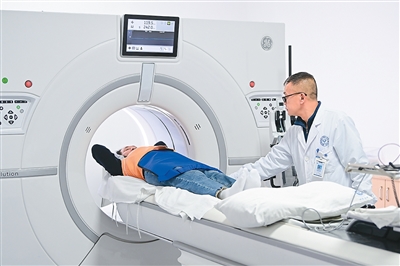
幽门螺杆菌检测

Search documents
65岁以上老人免费体检启动 一文了解检查项目和注意事项
Yang Shi Xin Wen· 2026-02-15 00:39
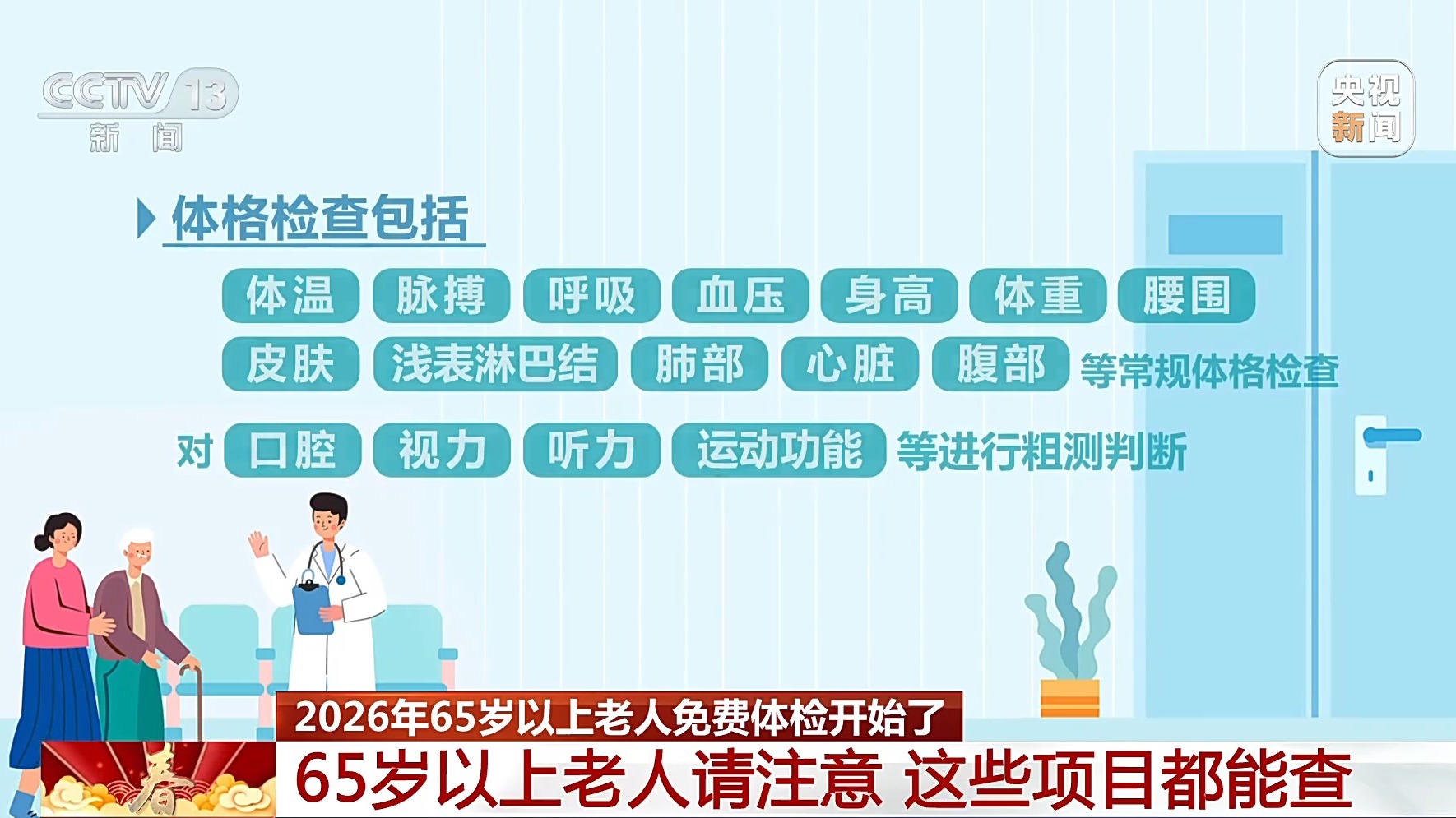
Core Viewpoint - The free health check program for individuals aged 65 and above has commenced in 2026, funded by the national treasury, and has been implemented since 2009 [1] Group 1: Health Check Details - The physical examination includes standard checks such as temperature, pulse, respiration, blood pressure, height, weight, waist circumference, skin, superficial lymph nodes, lungs, heart, and abdomen, along with basic assessments of oral health, vision, hearing, and mobility [3] - Auxiliary examinations consist of routine blood tests, urine tests, liver function, kidney function, fasting blood glucose, blood lipids, electrocardiograms, and abdominal ultrasound (liver, gallbladder, pancreas, spleen). Starting in 2025, chest X-ray and glycated hemoglobin tests will be added [5] Group 2: Recommendations for Elderly Health Checks - It is advised that elderly individuals focus on cardiovascular checks, including carotid ultrasound and cardiac ultrasound, with additional tests like 24-hour Holter monitoring and coronary CT as needed [10] - Cancer screenings should include chest CT, abdominal ultrasound, and gastrointestinal endoscopy, with serum tumor marker tests as references. Women should pay attention to thyroid, breast, ovarian, and cervical cancer screenings, while men should focus on thyroid and prostate screenings [12] - Bone density tests are recommended for men over 50 and women over 45 [12] Group 3: Additional Health Considerations - Other tests may include Helicobacter pylori detection and fundus examination. A comprehensive geriatric assessment should also be conducted, evaluating physical condition, functional status, mental health, and social environment [15] - Certain medications may affect blood test results, such as antibiotics and proton pump inhibitors, and it is recommended to pause these medications before the health check if not necessary [17]

从感染幽门螺杆菌到胃癌,只有5步!紧急提醒
Xin Lang Cai Jing· 2026-01-27 12:39
Group 1 - The article highlights the increased prevalence of Helicobacter pylori infections during winter, leading to symptoms such as bloating, abdominal pain, and acid reflux, which can escalate into serious health issues if not addressed promptly [1] - Cold weather reduces the gastric mucosa's defense capabilities, making it easier for Helicobacter pylori to cause inflammation, erosion, or ulcers, worsening gastric symptoms [1] - The preference for high-fat, high-salt, and spicy foods during winter can damage the gastric mucosa and enhance the virulence of Helicobacter pylori [1] Group 2 - Helicobacter pylori is classified as a Group 1 carcinogen for gastric cancer, with infected individuals having a 4 to 6 times higher risk of developing gastric cancer compared to non-infected individuals [2] - The progression from Helicobacter pylori infection to gastric cancer typically involves several stages, and timely intervention can potentially prevent the onset of gastric cancer [2] Group 3 - The first stage of infection is chronic superficial gastritis, where the gastric mucosa may become red and inflamed, but the condition is still controllable and reversible [3] - The second stage is chronic atrophic gastritis, where persistent inflammation leads to a reduction or loss of gastric acid-secreting glands, marking a critical turning point towards "precancerous lesions" [4] - The third stage involves intestinal metaplasia, where the gastric mucosa develops cells similar to those in the intestines, indicating a more advanced precancerous stage [5] - The fourth stage is atypical hyperplasia, where long-term inflammation causes abnormal cell morphology, bringing the condition close to early cancer [6] - The final stage is gastric cancer, which may develop if the condition remains unaddressed [7] Group 4 - Timely intervention to eliminate Helicobacter pylori is essential at any stage, with superficial gastritis being the optimal time for treatment, as it can lead to complete recovery [8] - Active eradication of the bacteria during atrophic gastritis and intestinal metaplasia stages can effectively halt disease progression [8] Group 5 - Upon a positive Helicobacter pylori test, immediate standardized treatment is recommended, typically involving triple or quadruple therapy, with adherence to medical advice and a healthy lifestyle being crucial [9] - Failure of initial treatment can lead to bacterial resistance, complicating subsequent treatment efforts [9] Group 6 - Preventive measures against Helicobacter pylori include using serving utensils to avoid saliva transmission, ensuring food is thoroughly cooked, and maintaining hygiene at home to prevent cross-infection [12] - Strengthening the immune system through a balanced diet, regular sleep, and moderate exercise is vital for resisting infections [12]

这样体检才有用(看新闻·说健康)
Ren Min Ri Bao Hai Wai Ban· 2025-07-23 22:29
Core Insights - The article discusses the importance of regular health check-ups and the common misconceptions surrounding them, emphasizing the need for early detection of diseases, particularly cancer [4][10][11]. Group 1: Health Check-up Misconceptions - PET-CT is not a suitable health screening tool; it is primarily used for assessing already diagnosed cancer patients and has significant costs and radiation exposure [5][6]. - Claims that a single drop of blood can detect all cancers are misleading; current technology does not support such comprehensive testing [7]. - Testing for trace elements is not recommended unless for specific medical reasons, as results can be unreliable [9]. Group 2: Cancer Statistics and Risks - In China, approximately 4.3 million people are diagnosed with cancer annually, with a significant increase in incidence after the age of 40 [10][12]. - The primary risk factor for cancer is age, as cellular division and genetic mutations accumulate over time, increasing the likelihood of cancer development [10][12]. Group 3: Importance of Early Screening - The primary value of health check-ups lies in the early detection of diseases, particularly in identifying precursors to cancer, which can significantly reduce the risk of progression to full-blown cancer [11][12]. - It is recommended that individuals begin cancer screenings at age 40, especially those with a family history of cancer [12][13]. Group 4: Recommended Screening Tests - A cost-effective and efficient screening regimen is proposed, including tests for Helicobacter pylori, HPV, hepatitis B, and specific cancer screenings for both men and women [14][15][17][18]. - Early detection through these screenings can lead to better treatment outcomes and long-term survival rates for common cancers such as gastric, colorectal, lung, cervical, and breast cancer [18][29].