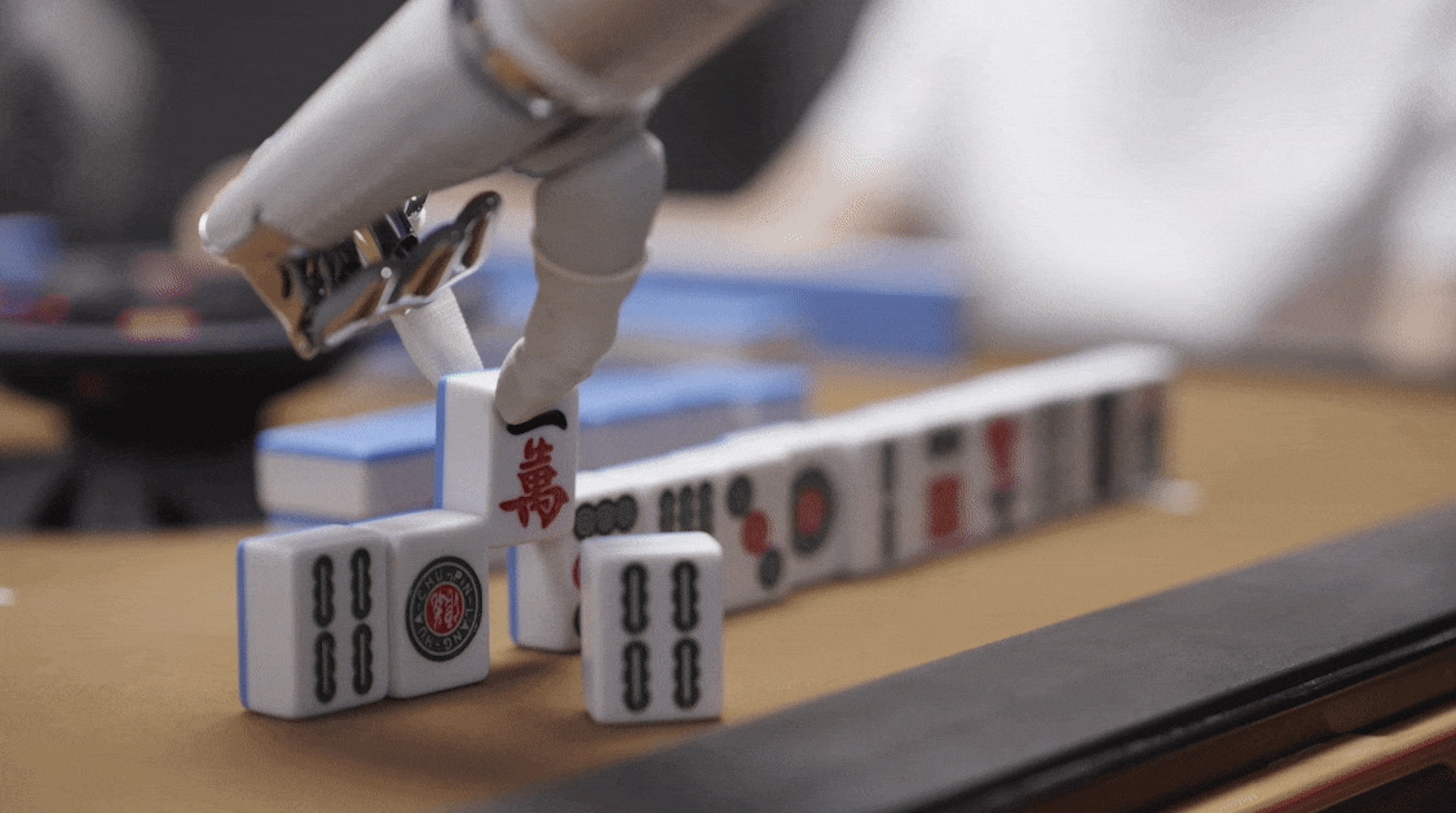
开普勒K2机器人

Search documents
2025国际具身智能技能大赛闭幕
Zheng Quan Shi Bao Wang· 2025-12-14 13:59
人民财讯12月14日电,2025全球开发者先锋大会暨国际具身智能技能大赛12月14日闭幕,各大赛项的冠 军逐一揭晓。华东理工大学"华理智驭"队凭借开普勒K2机器人斩获工业搬运冠军;国家地方共建人形 机器人创新中心的"超级瓦力"赛队和国地蓝精灵机器人问鼎工业装配冠军;宇树B2-W机器人在应急救 援中脱颖而出;擎朗智能的XMAN-R1赢得餐厅服务头筹。 ...
进厂“试用期”一年,人形机器人“转正”还要跨过几道坎?
Di Yi Cai Jing· 2025-04-29 11:39
Core Insights - The development of humanoid robots for industrial applications faces significant challenges, particularly in the concept validation phase, which tests the engineering capabilities of teams [1][9][10] Group 1: VLA Model Development - Lingchu Intelligent recently launched the Psi-R1 model, a Vision-Language-Action (VLA) model, which aims to enable robots to perform complex tasks in open environments [2][4] - Since 2025, at least seven companies, including Physical Intelligence and NVIDIA, have released VLA-related models, indicating a growing interest in this technology [2][7] - The VLA model's ability to incorporate action signals as input is crucial for improving the robot's decision-making and operational capabilities [5][8] Group 2: Concept Validation Challenges - The concept validation phase requires humanoid robots to demonstrate technical success rates, reliability, efficiency, cost, and profitability, which are critical for commercial viability [3][10] - The transition from laboratory testing to real-world application involves multiple stages, including a three-month internal testing phase and a subsequent three-month validation phase in customer environments [12][13] - Real-world conditions, such as complex lighting and electromagnetic interference, pose additional challenges that must be addressed during the validation process [12][13] Group 3: Market Applications and Limitations - Current humanoid robots are primarily engaged in tasks such as material handling and inspection in various industrial settings, but their roles are often limited to simple operations [14][15] - Companies are focusing on scenarios where humanoid robots can perform tasks that are difficult for automated systems, such as quality inspection in 3C manufacturing [15] - The ultimate goal is for humanoid robots to take on roles that require flexibility and adaptability, which traditional automation cannot achieve [15]