
彩调《刘三姐》

Search documents
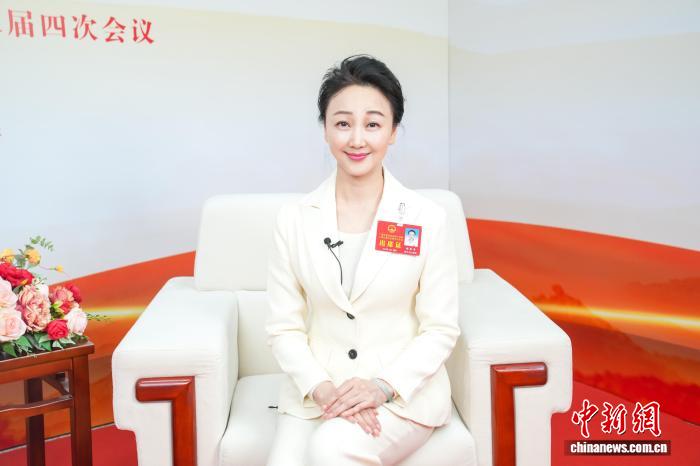
广西人大代表伍思亭:以微短剧之“新”促非遗“破圈”
Zhong Guo Xin Wen Wang· 2026-02-03 08:52
Core Viewpoint - The rise of short videos and micro-dramas presents an opportunity to promote traditional performing arts and intangible cultural heritage, addressing challenges such as aging audiences and fragmented dissemination [3][4]. Group 1: Challenges in Traditional Performing Arts - Traditional opera faces issues of audience aging, fragmented communication, and limited performance settings [3]. - The government report emphasizes the integration of emerging cultural industries like micro-dramas with tourism [3]. Group 2: Opportunities through Micro-Dramas - Micro-dramas can effectively connect with the fragmented consumption habits of younger audiences, offering a "short and quick" format to overcome the "long and slow" nature of traditional opera [3][4]. - The fusion of opera and micro-dramas can create micro-theater experiences that preserve authentic singing styles while allowing audiences to quickly appreciate the charm of traditional arts [4]. Group 3: Technological Empowerment - Utilizing technologies like VR and interactive storytelling can transform audiences from passive viewers to active participants, enhancing the appeal of intangible cultural heritage [4]. - Successful micro-dramas can be converted into cultural tourism IPs, promoting both heritage and local tourism [4]. Group 4: Balancing Tradition and Innovation - The "Three No Principles" have been established to maintain the integrity of traditional opera while innovating its presentation: no alteration of core techniques, no distortion of cultural values, and no catering to vulgar tastes [5]. - Collaboration with platforms like Douyin and Bilibili will ensure that content remains youthful yet tasteful [5].

八桂梨园绽新蕊
Guang Xi Ri Bao· 2025-12-06 03:03
Core Viewpoint - The revival and promotion of Guangxi opera, particularly through the performance of the classic "Liu Sanjie," showcases the integration of traditional art into modern life, attracting a younger audience and enhancing cultural heritage [1][2]. Group 1: Performance and Cultural Events - The Guangxi opera "Liu Sanjie" was featured as one of the five major quality performances at the 9th China Opera Culture Week, highlighting its significance in the national cultural landscape [1]. - The Guangxi Drama Theatre has successfully completed several revival productions during the 14th Five-Year Plan period, including notable works like "Baise Uprising" and "Yao Mountain Spring," with "Liu Sanjie" being a standout success [1][2]. - The establishment of an open-air theater on Jianzheng Road in Nanning allows traditional opera to engage with the community, making it accessible to the public and fostering a new appreciation for the art form [1][2]. Group 2: Training and Development - The Guangxi Opera Master Studio was established to cultivate innovative talent in opera, focusing on nurturing new performers and enhancing the quality of opera creation and performance [2]. - The first National Opera Newcomer and New Work Exhibition held in Nanning emphasized the importance of promoting new talent and works, contributing to the creative transformation and innovative development of opera in the modern era [2]. Group 3: Achievements and Recognition - Guangxi opera has received numerous accolades, including the 17th Wenhua Award for the play "New Liu Sanjie" and various awards for "Baise Uprising" and "Sun Wukong's Three Borrowings of the Banana Fan," reflecting the strength and depth of local opera [2]. - The ongoing efforts to blend classic elements with contemporary themes have resulted in a vibrant cultural scene, with young performers gaining recognition and applause from audiences and industry veterans alike [2]. Group 4: Future Outlook - Guangxi opera aims to continue its journey by embracing its cultural roots and expanding its reach, ensuring that the sounds of Guangxi opera resonate widely and contribute to the celebration of traditional Chinese culture [3].