影符

Search documents
文化中国行 | “究天人之际,通古今之变” 华夏儿女向着星辰大海逐光而行
Yang Shi Wang· 2025-11-24 11:12
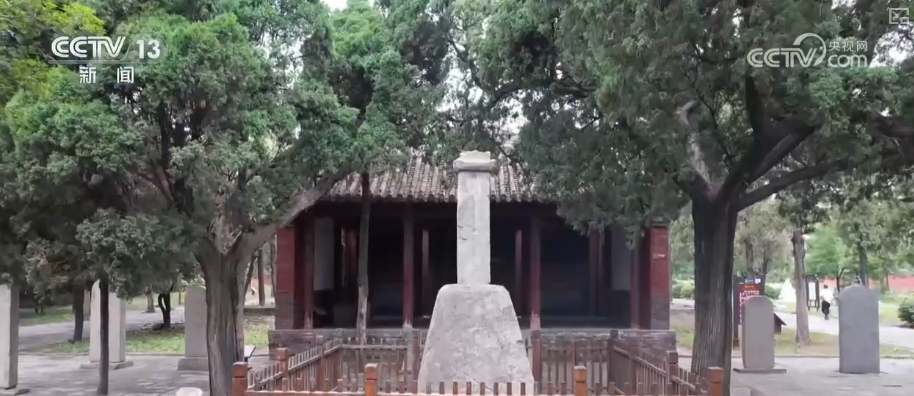
Core Insights - The article highlights the historical significance of the Guanzingtai site in Dengfeng, Henan, as one of the oldest astronomical observatories in China, showcasing ancient Chinese cultural philosophies and the pursuit of natural laws [1][9][23] Group 1: Historical Significance - The Guanzingtai site is recognized as a crucial location for the development of the 24 solar terms, which served as a guide for agricultural practices in ancient China [9][21] - The site features the Zhou Gong Measuring Shadow Platform, which was used to determine the summer solstice, marking the longest day of the year [3][5][7] Group 2: Innovations by Guo Shoujing - Guo Shoujing, a prominent astronomer of the Yuan Dynasty, significantly improved the accuracy of time measurement by constructing a giant measuring platform, reducing measurement errors to one-fifth of previous methods [11][16] - He developed the "shadow symbol" device, which allowed for precise measurements of shadow lengths within a 2-millimeter range, enhancing the understanding of time [16][18] Group 3: Cultural and Educational Impact - The Guanzingtai site has undergone systematic protection and restoration, transforming into a cultural and educational hub with a planetarium and interactive exhibits [19][21] - Modern activities, such as "starry sky camping" and traditional observation ceremonies, connect ancient astronomical practices with contemporary lifestyles [21][22] Group 4: Legacy and Modern Applications - The ancient principles of astronomical observation have influenced modern astronomical research, as seen in projects like the "Chinese Sky Eye" and advancements in telescope technology [22][23] - The enduring spirit of exploration and understanding of the cosmos continues to inspire contemporary scientific endeavors, reflecting a legacy that spans millennia [23]