德青源蛋博士鸡蛋

Search documents
一颗3元鸡蛋被检出「合成色素」,到底超标没?黄天鹅、胖东来纷纷「硬刚」打假人
36氪· 2026-03-18 00:20
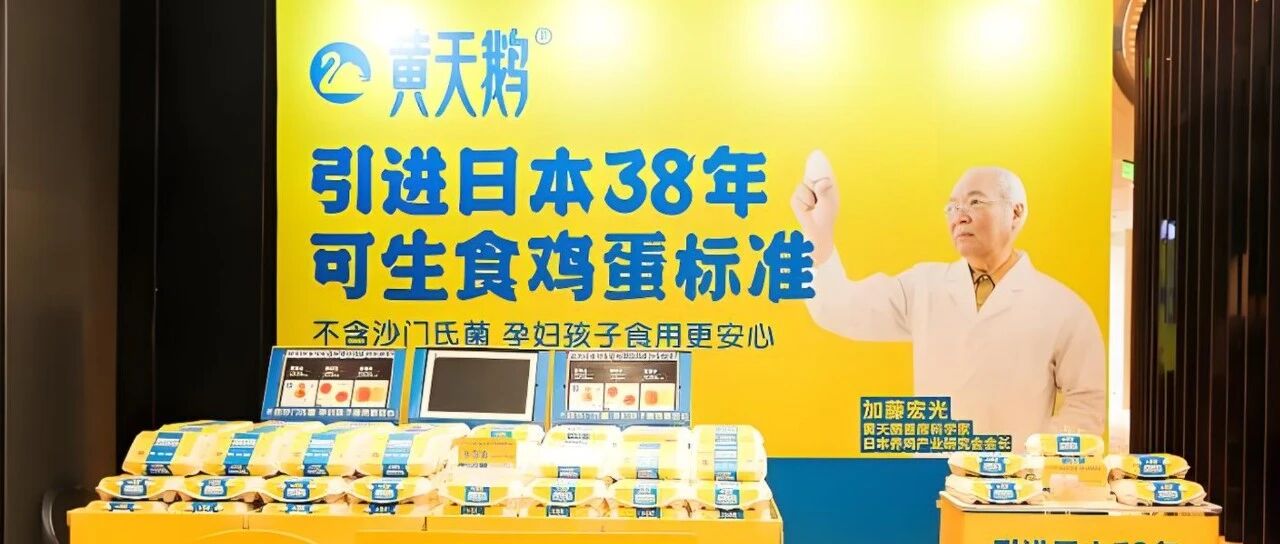
Core Viewpoint - The article discusses a controversy surrounding high-end egg brands, particularly "Huang Tian E" and "Fat Dong Lai," which have been accused of using artificial colorants in their products, raising questions about consumer rights and product labeling [4][6][9]. Group 1: Incident Overview - The controversy began when Wang Hai's team reported that eggs sold by "Fat Dong Lai" tested positive for artificial colorant, specifically canthaxanthin, exceeding the national limit of 8 mg/kg with one sample showing 9.54 mg/kg [9][12]. - "Huang Tian E," known for its premium branding, faced significant backlash as the incident contradicted its claims of using natural feed and producing naturally golden yolks [4][17]. - Both "Huang Tian E" and "Fat Dong Lai" have initiated legal actions and further testing to defend their products and brand integrity [4][5]. Group 2: Brand Responses - "Huang Tian E" issued a statement claiming that their eggs do not contain artificial colorants and that the detected levels of canthaxanthin (0.399 mg/kg) are within natural background levels [14]. - "Fat Dong Lai" emphasized that their procurement processes are compliant with regulations and that they regularly conduct quality checks, asserting that their products meet national standards [14]. - The brands are currently in a back-and-forth dispute, each asserting their compliance with standards while questioning the validity of the other's claims [15]. Group 3: Consumer Rights and Regulatory Implications - The incident has shifted the focus of public discourse from product standards to consumer rights, with calls for clearer labeling and transparency regarding the use of colorants in egg production [6][12]. - Experts suggest that this controversy highlights the need for regulatory bodies to establish clear standards for colorant levels in eggs and other food products to protect consumer interests [19]. - The situation has raised awareness about the potential for natural sources of colorants in free-range eggs, prompting discussions on the safety and regulatory measures surrounding such practices [18][19].

一颗3元鸡蛋被检出“合成色素”,到底超标没?黄天鹅、胖东来纷纷“硬刚”打假人
新浪财经· 2026-03-16 10:10
Core Viewpoint - The article discusses a controversy involving the detection of artificial colorants in eggs sold by brands such as Huangtiange, Pang Donglai, and Deqingyuan, raising questions about consumer rights and product standards [3][4][10]. Group 1: Incident Overview - Wang Hai's team reported that multiple egg brands sold at Pang Donglai were found to contain artificial colorant canthaxanthin, with one brand exceeding the national limit for feed additives [10][14]. - Huangtiange, known for its premium positioning, faced significant backlash as the incident contradicted its branding of "natural" and "no additives" [19][20]. - The controversy has led to legal actions from Huangtiange, which claims that the reports have severely harmed its reputation and that it will pursue legal accountability [3][4]. Group 2: Responses from Companies - Pang Donglai announced that it would conduct comprehensive retests of the eggs and emphasized compliance with procurement regulations [4][15]. - Huangtiange stated that its eggs do not contain artificial colorants and that the detected levels of canthaxanthin are within natural background levels [15][19]. - Deqingyuan also asserted that it adheres strictly to legal standards and does not exceed the allowed limits for additives [15]. Group 3: Consumer Rights and Standards - The core issue has shifted from product standards to consumer rights, with calls for transparency regarding the sources of colorants in eggs [14][21]. - Experts suggest that there is a need for regulatory standards regarding the levels of canthaxanthin in eggs and other products, highlighting the importance of consumer safety [21][22]. - The incident has prompted discussions about the potential for consumer deception in marketing claims related to "natural" products [19][20].