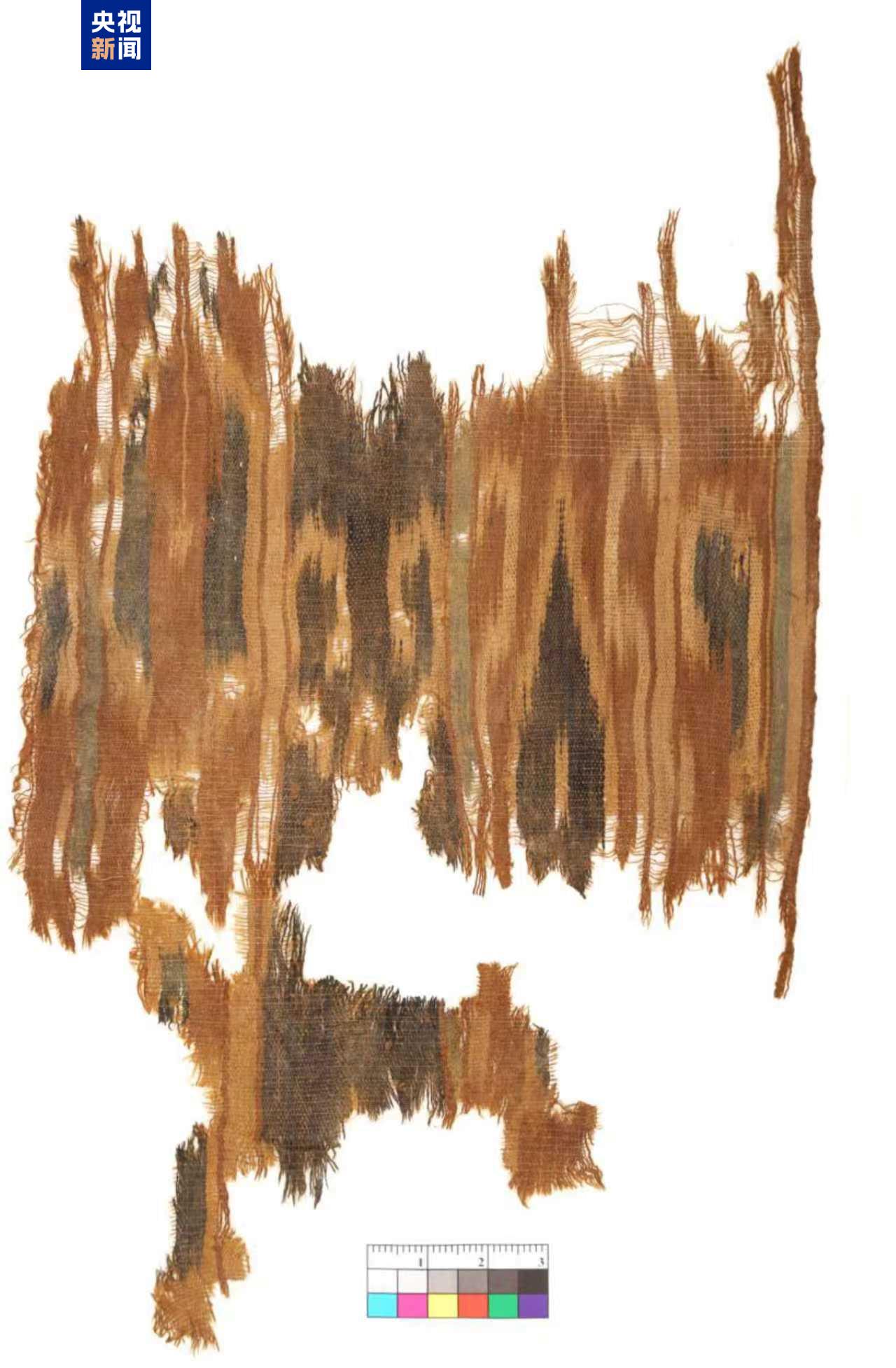
扎经染色织物残片

Search documents
这些重大成果,彰显文明探源背后的科技力量
Xin Hua She· 2026-01-20 03:15
Group 1 - The integration of technology into archaeology enhances the understanding of history and civilization, as demonstrated by recent significant achievements in the field [1] - The Chinese Academy of Social Sciences has made substantial progress in building a technology archaeology resource standard library, including over 100,000 specimens from ancient and modern animals [2] - The successful restoration of precious artifacts, such as Tang Dynasty lacquered horse armor and bronze vessels, showcases innovative methods combining excavation, emergency protection, and restoration research [3] Group 2 - Research on dyed textiles from the Tang Dynasty has established the earliest known date for this technique, pushing the timeline back to around 750 AD [4][5] - Multidisciplinary studies have identified key time nodes in the origin and early development of dryland agriculture in northern China, with evidence dating back approximately 10,000 years [6] - The discovery of ancient myrtle trees at the Shia'an site indicates that myrtle was part of the diet during the Liangzhu culture period, marking a significant finding in the study of ancient flora [7] Group 3 - Research on prehistoric water management in China has pushed back the history of large-scale water engineering by nearly 3,000 years, indicating early complex water management systems [8]
国内唯一唐代金甲完成修复 社科院发布多项科技考古重大成果
Yang Shi Xin Wen· 2026-01-14 07:05
Group 1 - The Chinese Academy of Social Sciences released significant achievements in technological archaeology and cultural heritage protection on January 14 [1] - The restoration of artifacts from the 2018 Blood Wei No. 1 tomb in Qinghai Dulan, including the only existing Tang Dynasty gold armor, showcases the ceremonial customs of the Tuyuhun royal family [3] - A lacquer plate, once used for grapes, was confirmed through scientific analysis to employ the top-tier Tang Dynasty gold and silver relief technique [3] Group 2 - A piece of dyed fabric, dated no later than 750 AD through carbon-14 dating, is the earliest known example of this textile technique globally, indicating that ancient China was a major source of this classical textile technology [3] - The use of dendrochronology and other scientific methods allowed experts to identify ancient tree remains from the Zhejiang Shiyao site, dating back approximately 4,500 years, providing crucial data on the dietary structure and economic activities of the Liangzhu culture [6] - The establishment of a Chinese animal resource specimen library includes the earliest known dog and pig specimens from archaeological sites, totaling over 100,000 pieces, which offers comprehensive archaeological evidence for the study of Chinese civilization [8]