扫码点餐

Search documents
扫码点餐疯狂索权,为啥这么难改?
Qi Lu Wan Bao Wang· 2025-09-19 07:26
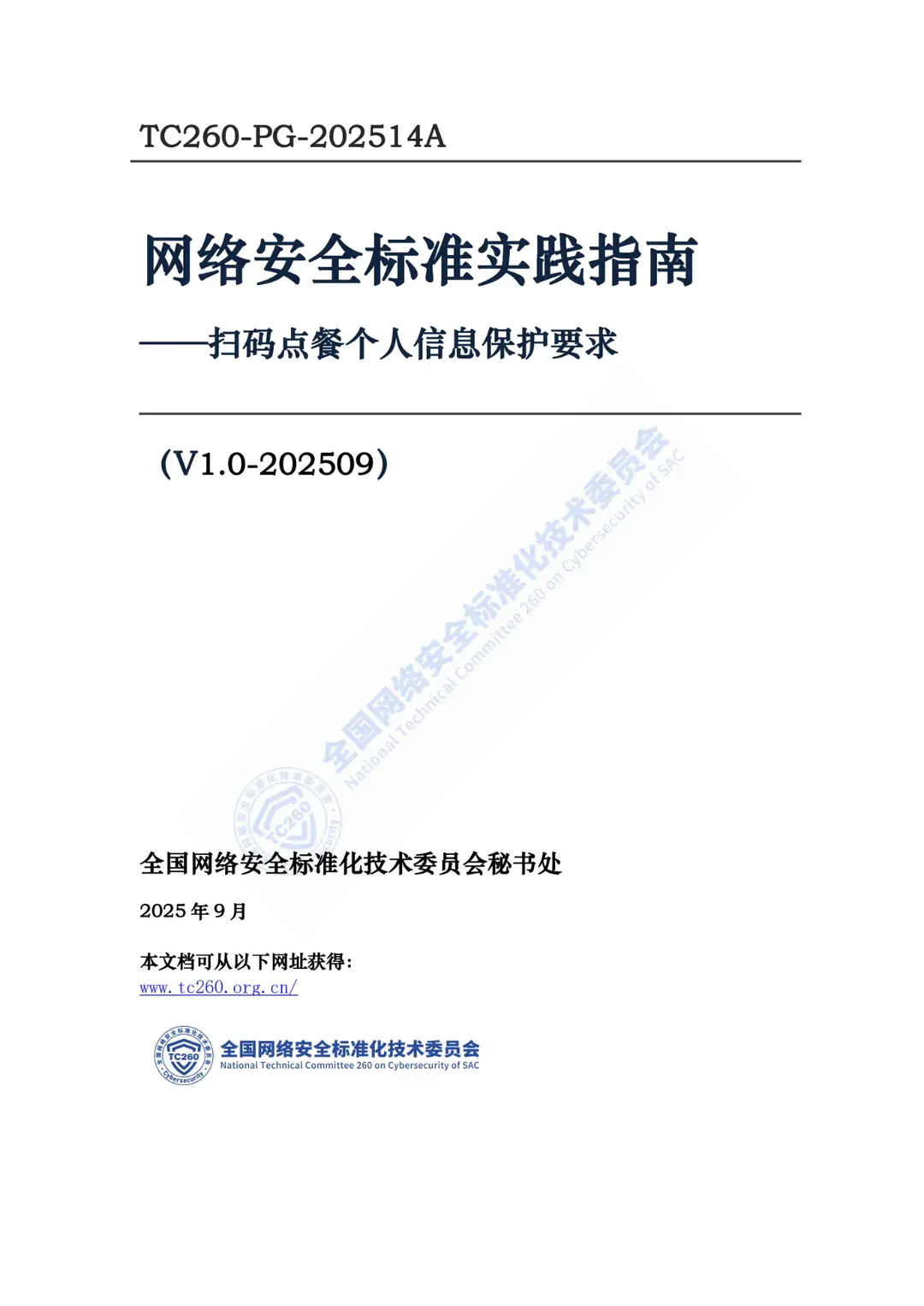
Core Viewpoint - The increasing trend of excessive personal information collection during QR code ordering is raising privacy concerns among consumers, despite the convenience it offers [1][3][4] Group 1: Consumer Concerns - Consumers are frustrated with the requirement to authorize numerous permissions for simple transactions, which are often unnecessary for completing orders [1][3] - Many consumers feel that the process of filing complaints is cumbersome, leading to a low rate of follow-through on grievances [2][3] - The lack of substantial consequences for businesses that violate privacy norms diminishes their motivation to change practices [2][3] Group 2: Regulatory Challenges - Current regulations and guidelines, such as the recently published "Network Security Standard Practice Guide," lack enforceability, making compliance optional for businesses [4][7] - The fragmented nature of regulatory oversight across multiple departments contributes to ineffective enforcement of privacy protections [3][7] - There is a need for stronger legal frameworks that convert guidelines into binding regulations to ensure compliance and protect consumer rights [8][9] Group 3: Recommendations for Improvement - Implementing a rapid response mechanism for complaints, including inspection and penalties, could enhance compliance among businesses [8][9] - Establishing clear legal definitions of necessary personal information in the context of QR code ordering could help curb excessive data collection [9] - Strengthening the role of consumer protection organizations in advocating for stricter compliance and facilitating public interest litigation could improve the situation [9]

法眼|扫码点餐疯狂索权,为啥这么难改?
Qi Lu Wan Bao· 2025-09-19 06:18
Core Viewpoint - The increasing trend of excessive personal information collection during QR code ordering is raising privacy concerns among consumers, despite the convenience it offers [2][3][4] Group 1: Consumer Concerns - Many consumers are frustrated by the requirement to authorize numerous permissions for simple tasks like ordering food, which are often unnecessary for the transaction [2] - The issue has been highlighted by media reports and consumer advocacy groups, indicating a widespread sentiment against the invasion of privacy [2][3] - The Chinese Consumers Association has pointed out that such practices violate consumers' rights to fair trade and informed consent, particularly affecting vulnerable groups like the elderly [2] Group 2: Regulatory Challenges - Despite ongoing regulatory scrutiny, the phenomenon of excessive data collection persists, leading to confusion among consumers about how to protect their privacy [2][3] - Complaints from consumers are often easy to file but difficult to resolve, with many giving up due to the cumbersome process [3] - The lack of strong enforcement mechanisms and low penalties for violations contribute to a culture where businesses feel little incentive to change their practices [3][4] Group 3: Industry Response - A recent guideline on personal information protection in QR code ordering has been issued, but many businesses remain unaware or dismissive of its importance [4][8] - The guideline lacks legal force, making it merely a recommendation rather than a binding regulation, which diminishes its effectiveness [8] - Experts suggest that transforming these guidelines into enforceable laws and establishing a rapid response mechanism for complaints could improve compliance and accountability [9][10] Group 4: Recommendations for Improvement - To address the issue, it is recommended to implement mandatory regulations that clearly define the necessary information for transactions and prohibit the collection of non-essential data [9][10] - Collaborative efforts among regulatory bodies, including public interest litigation, could enhance enforcement and compliance [10] - Legislative measures should be expedited to create a clear framework for personal information collection in QR code ordering scenarios, establishing penalties for non-compliance [10]