抗生素药物

Search documents
男子喉咙痛一个月不见好,一看嗓子里长满“雪花”!
Yang Shi Wang· 2025-11-10 02:47
Core Insights - The article highlights the risks associated with the misuse of antibiotics, particularly in the context of respiratory illnesses during the autumn and winter seasons [1][2] - It emphasizes the importance of proper diagnosis and treatment, as self-medication can lead to complications such as fungal infections [2][4] Group 1: Case Study - A 36-year-old man from Ningbo, referred to as Mr. Zhang, initially self-medicated with antibiotics for symptoms of a cold, which led to a worsening condition [1] - After a laryngoscopy, he was diagnosed with fungal pharyngitis caused by Candida albicans, rather than a bacterial infection [1][2] - The patient's condition improved after discontinuing antibiotics and starting antifungal treatment [2] Group 2: Medical Insights - The article discusses the commonality of self-medication among patients with fungal pharyngitis, with many using antibiotics without proper medical guidance [3][4] - It is noted that antibiotics are ineffective against viral and fungal infections, and that 70% of acute sore throats are related to viral infections [4] - The article stresses the need for proper diagnostic tests, such as blood routine and C-reactive protein tests, to determine the presence of bacterial infections before considering antibiotic use [4]
全球抗生素药物市场前10强生产商排名及市场占有率
QYResearch· 2025-05-22 08:38
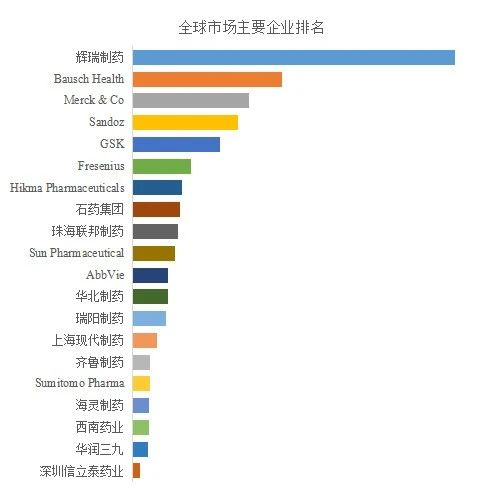
Core Viewpoint - The global antibiotic drug market is projected to reach a size of $65.84 billion by 2031, with a compound annual growth rate (CAGR) of 3.2% in the coming years [1]. Market Overview - The major manufacturers in the global antibiotic drug market include Pfizer, Bausch Health, Merck & Co, Sandoz, and GSK, with the top five companies holding approximately 19.0% of the market share in 2024 [5][17]. - Injectable antibiotics dominate the market, accounting for about 49.8% of the total market share [7]. - Hospitals represent the largest downstream market for antibiotics, capturing around 54.6% of the demand [9]. Market Drivers - The high incidence of infectious diseases globally, particularly in developing countries and densely populated areas, continues to drive the rigid demand for antibiotics [14]. - The aging population is increasing reliance on antibiotics due to a higher susceptibility to infections [14]. - Improved healthcare systems, especially in China, enhance patient access to medications, further boosting demand for antibiotic formulations [14]. - The "volume-based procurement" policy, while lowering prices, encourages industry consolidation and scale, benefiting leading companies [14]. - The Belt and Road Initiative is providing new growth opportunities for Chinese antibiotic manufacturers in emerging markets such as Southeast Asia, Africa, and the Middle East [14]. Market Challenges - There is heightened global scrutiny and regulatory pressure regarding antibiotic misuse, leading to restrictions that compress market space [15]. - The low barriers to entry for antibiotic generics result in severe product homogeneity, intensifying competition and price wars, which compress profit margins [15]. - Stricter environmental regulations increase the costs for manufacturers, particularly in the production of raw materials [15]. - Rising trade barriers and registration requirements in international markets, especially in Europe and the U.S., hinder the export expansion of Chinese companies [15]. Future Trends - The antibiotic market is expected to evolve towards high-end and differentiated products, with increasing demand for effective, safe, and targeted new antibiotic formulations [16]. - The shift from broad-spectrum antibiotics to more specific narrow-spectrum and combination formulations is becoming a clinical preference [16]. - There is a stable demand for intravenous formulations, particularly in hospital settings, where injectables remain the first choice for severe infections [16].